New Zealand had been on my list for years before I finally booked a one-way ticket from Barbados and gave myself four weeks to explore the whole country. No rigid plan, no tour groups, just a bus pass, a hire car for the South Island and a sister waiting in Christchurch who had no idea I was coming. I left with two rainy days out of twenty-eight.
The rest was some of the most spectacular scenery I have ever stood in — and I have stood in a lot of scenery. This guide covers the full four weeks: North Island highlights, the South Island road trip that stole my heart and everything practical you need to plan your own New Zealand adventure.
Why New Zealand
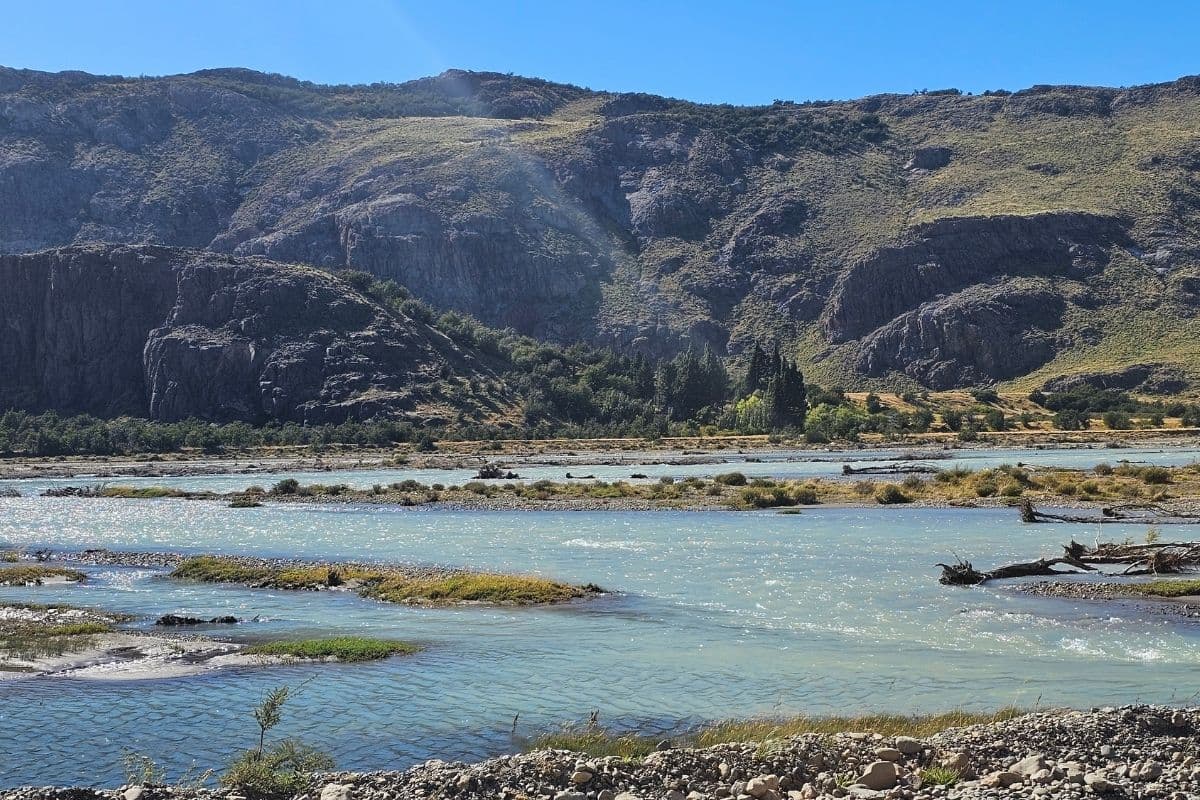
People talk about New Zealand like it is a cliché and then they go and realise it genuinely lives up to every single thing ever said about it. The landscapes are absurd — snow-capped mountains, ancient glaciers, geothermal valleys bubbling with mud pools and geysers, fjords so deep and still they look like mirrors, beaches in every colour including a genuinely gold one at the top of the South Island. The country is safe, easy to navigate, the people are exceptionally friendly and the infrastructure for independent travel is excellent.
It is also far. Really far. From Barbados I was looking at 30+ hours of travel each way — which means that when you go, you commit properly.
Four weeks is the minimum to do both islands justice. Three weeks is doable if you focus. Two weeks means picking one island and doing it properly rather than rushing both — read the full North Island vs South Island comparison if you need to decide.
New Zealand goes by its Māori name Aotearoa — Land of the Long White Cloud — and understanding that Māori culture is woven into every aspect of the country makes the experience significantly richer.
When to Go
New Zealand's seasons are the reverse of the northern hemisphere. Like Iceland, it is worth visiting any time of year. I went end of May to mid-June and had almost perfect weather for the entire trip.
🍂 Autumn — March to May Arguably the best time. Crowds thinning, golden light, leaves turning in the South Island. Excellent hiking conditions.
❄️ Winter — June to August Ski season around Queenstown and Wanaka. The North Island stays mild. This is when I went — chilly, clear and absolutely stunning.
🌸 Spring — September to November Wildflowers, lambs everywhere, good hiking weather and fewer crowds than summer.
☀️ Summer — December to February Peak season, peak prices, peak crowds. The long days are extraordinary but book everything well ahead — Hobbiton sells out months in advance.
Getting Around
New Zealand is a long, thin country — much longer than it looks on a map. The two islands are connected by the Interislander Ferry between Wellington and Picton, a beautiful 3.5 hour sailing through the Marlborough Sounds worth doing for the scenery alone.
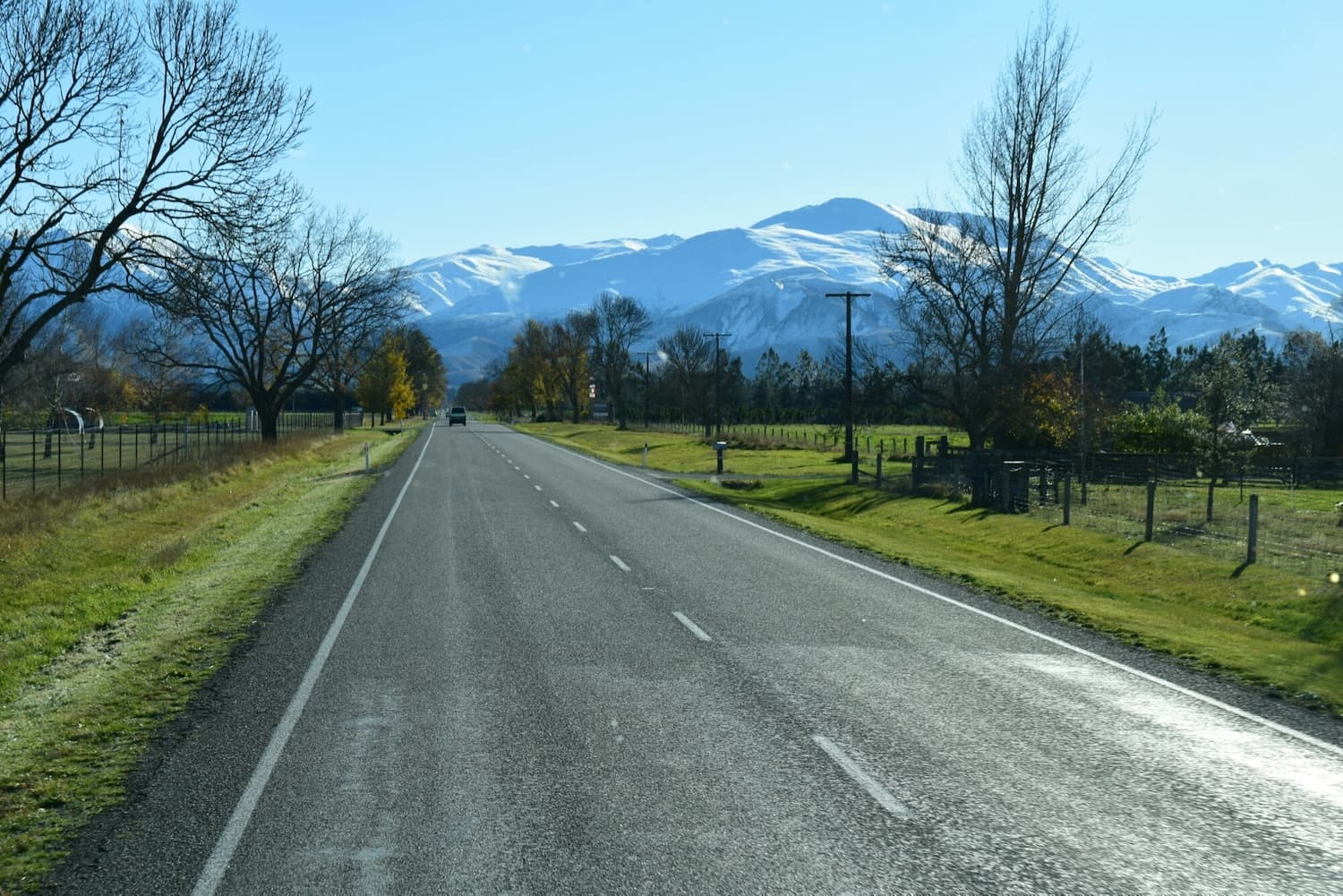
New Zealand drives on the left. Roads are generally excellent but mountain roads in the South Island can be narrow, winding and spectacular in equal measure. Never try to beat the estimated driving times — the scenery will slow you down regardless. Read the complete Driving in New Zealand guide before you go, and if you are travelling by campervan, the Freedom Camping Guide covers exactly where you can and cannot stay overnight for free.
Compare rental car and campervan rates at DiscoverCars before you book.
Interactive Map
Our New Zealand Route
Want this route on your own phone? Download the map file and import it into Google Maps.
Download Route (KML) →The North Island
Days 1-2 — Auckland
I landed at 7.30am after an extremely long journey from Barbados and was immediately struck by how green everything was. Auckland sits on an isthmus between two harbours and the city is dotted with volcanic cones that give it an unusual, lumpy skyline. Give Auckland two days minimum.
- Harbour cruise on the Waitemata
- Sky Tower — highest structure in the southern hemisphere
- Waiheke Island — 35 minutes by ferry, vineyards, beaches, completely different pace
- Mission Bay and Tamaki Drive — coastal waterfront walk
- Ponsonby and Grey Lynn — great food and coffee
- One Tree Hill / Maungawhau — volcanic cone with panoramic city views
Days 2-4 — Rotorua
Rotorua is one of the most geothermally active places on earth and it smells like it — the sulphur in the air hits you immediately. Hobbiton was my first morning and if you have any relationship with Lord of the Rings whatsoever, this is not optional.
- Hobbiton Movie Set — book well in advance, tours sell out weeks ahead
- Wai-O-Tapu Geothermal Wonderland — Lady Knox Geyser at 10:15am daily
- Waimangu Volcanic Valley — youngest geothermal system in the world
- Tamaki Māori Village — traditional welcome, haka, hāngī feast
- Polynesian Spa — natural hot pools on the lakefront
Free Download
Free New Zealand Road Trip Packing List
4 weeks around Aotearoa — what actually fits in the car.
Day 5 — Wellington
Read the full Wellington post →
Wellington is the capital of New Zealand and the windiest city in the world. Excellent coffee, a remarkable food scene and Te Papa, the national museum — free and genuinely one of the best museums I have visited anywhere.
- Te Papa Tongarewa — the national museum, free, half a day minimum
- WETA Workshop — the studio behind Lord of the Rings, Narnia, Avatar
- Mount Victoria lookout — panoramic views over the city and harbour
- Cuba Street — Wellington's creative heart
The Interislander ferry to Picton departs from Wellington — the crossing through the Marlborough Sounds is one of the more beautiful things you will do in New Zealand without really trying.
The South Island
The South Island is where New Zealand stops being merely beautiful and becomes genuinely overwhelming. The scale of the landscape changes — the mountains are bigger, the lakes deeper, the skies wider.
Days 5-12 & 21-25 — Christchurch
Read the full Christchurch post →
Christchurch was still a city rebuilding from the devastating 2011 earthquake when I visited. Visiting was emotional — the earthquake memorials, the cardboard cathedral, the gap sites — but also deeply moving in terms of what the city was doing to rebuild itself.
- Cardboard Cathedral — built from cardboard tubes, extraordinary architecture
- Botanic Gardens and Hagley Park — beautiful and free
- New Regent Street — beautifully preserved Spanish Mission-style street
- Day trip to Kaikōura — fur seal colonies, best seafood chowder of the trip
Days 13-20 — South Island Road Trip
Read the full South Island road trip post →
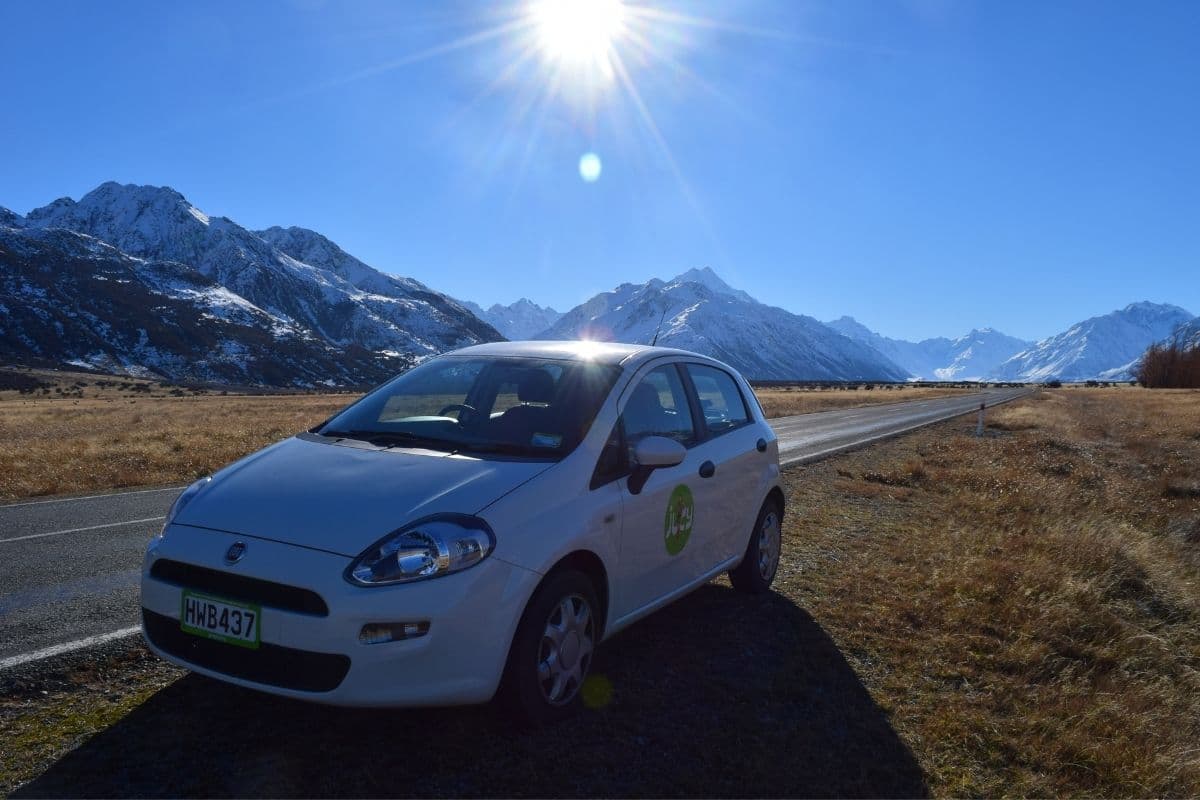
My sister and I picked up a hire car in Queenstown and drove for a week through the deep South Island. It was the best week of the entire trip.
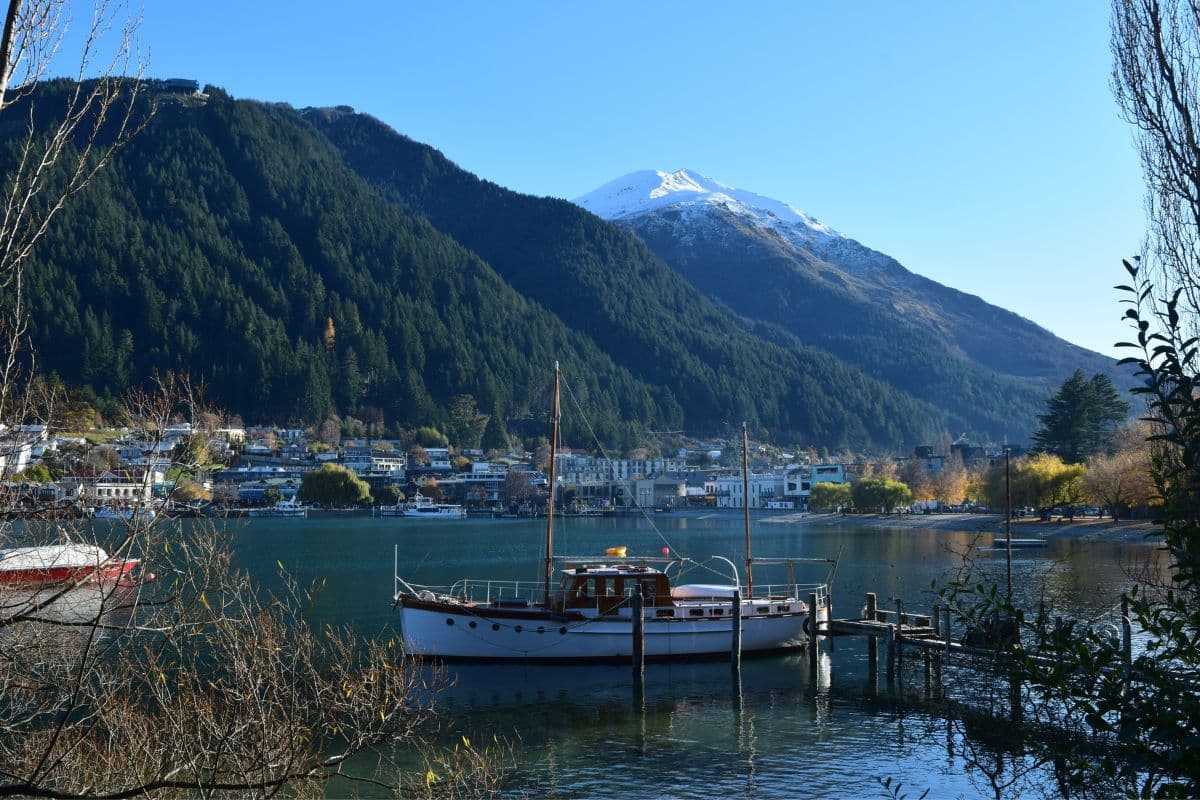
Queenstown — the adventure capital, on Lake Wakatipu with the Remarkables behind it. I did the Nevis Bungy Jump — 134 metres above a river gorge. I am afraid of heights. Do not talk yourself out of it.
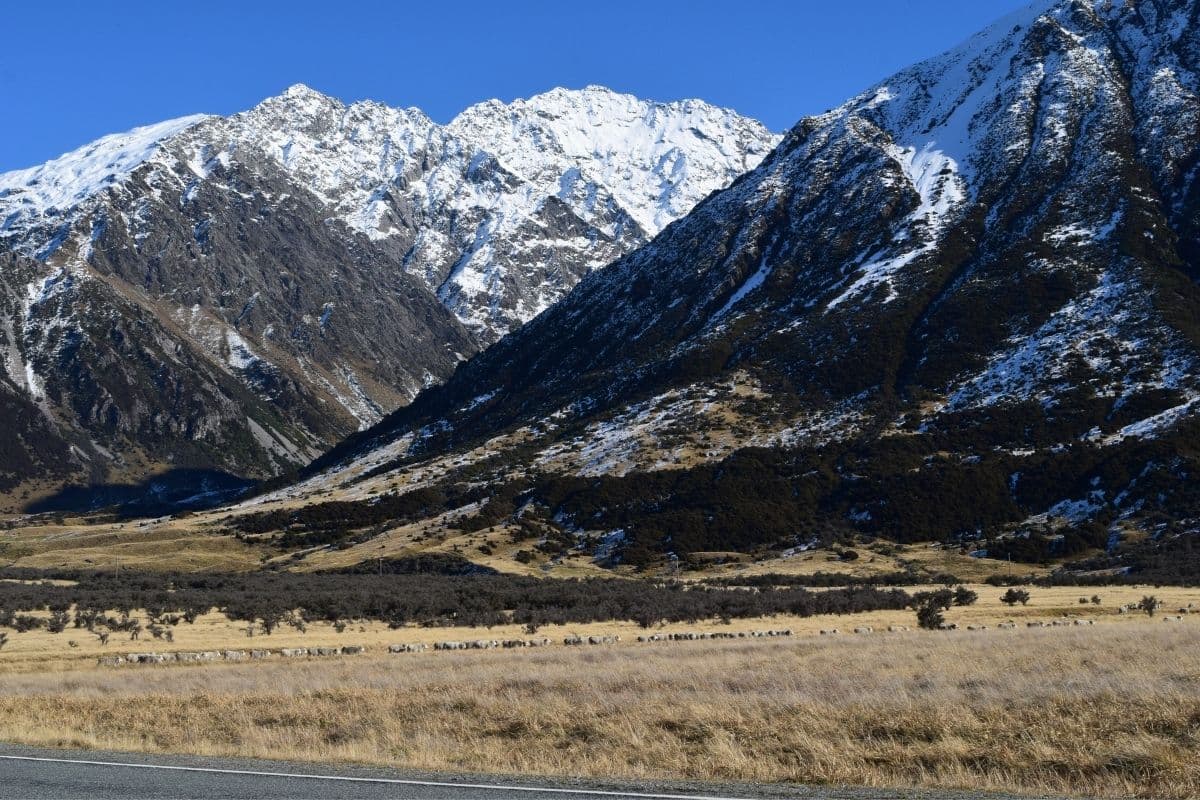
Aoraki / Mount Cook — New Zealand's highest peak at 3,724 metres. The Hooker Valley Track ends at a glacial lake with floating icebergs.
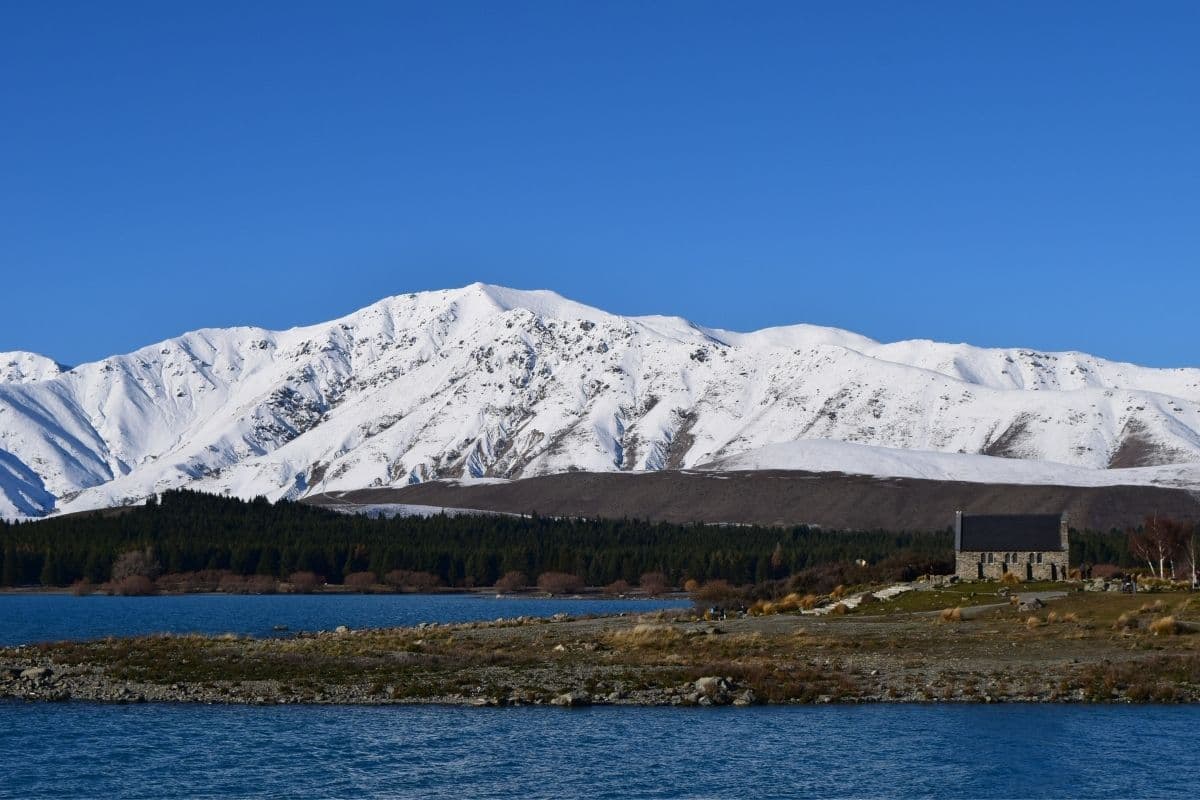
Lake Tekapo — a glacial lake of such improbable turquoise blue that photographs look edited. Sits in a Dark Sky Reserve.
The Catlins — the wild, largely undiscovered southeastern corner. Waterfalls, sea lions, almost no tourists.
Milford Sound — the drive through Fiordland National Park is one of the great drives of the world. Milford Sound makes you genuinely run out of language. Do not skip this.
- Queenstown — adventure capital
- Nevis Bungy — 134 metres, 8.5 seconds, life-changing
- Hooker Valley Track, Aoraki / Mount Cook National Park
- Lake Tekapo — the turquoise lake and dark sky reserve
- The Catlins — wild coast, sea lions, almost no crowds
- Wanaka — the quieter alternative to Queenstown
- Milford Sound — non-negotiable
Read the Queenstown guide → · Read the Nevis Bungy post →
Planning Resources
- Driving in New Zealand — everything you need to know before you get behind the wheel
- New Zealand Freedom Camping Guide — where you can and cannot camp for free
- North Island vs South Island — an honest comparison if you are short on time
What I Missed — The Next Trip List
- Abel Tasman National Park — the golden sand coastal walk in the north of the South Island, one of New Zealand's Great Walks
- Franz Josef and Fox Glaciers — two glaciers on the West Coast that come down through rainforest almost to sea level. I missed these and I am annoyed about it
- Tongariro Alpine Crossing — one of the best one-day hikes in the world, with emerald and blue crater lakes
- The Coromandel Peninsula — Hot Water Beach, where you dig your own hot spring pool in the sand, and Cathedral Cove
Practical Information
Visa: NZeTA required — New Zealand Electronic Travel Authority for most passport holders. Apply online before you travel.
Currency: New Zealand Dollar (NZD). Not cheap — budget significantly more than Southeast Asia. Self-catering saves considerably.
Getting there: Via Auckland, the main international hub. From Barbados expect at least two connections and 30+ hours of travel.
Health and safety: No dangerous wildlife. Main hazards are rapidly changing mountain weather and fierce UV — SPF 50 every day.
Accommodation: YHA New Zealand has an excellent hostel network. Camping on the South Island is fantastic — see the Freedom Camping Guide.
Tipping: Not expected. New Zealand has good minimum wage laws.
The one thing I would tell anyone going: book Hobbiton in advance. It sells out. Everything else you can be relatively spontaneous about outside of peak summer.
Free Download
Free New Zealand Road Trip Packing List
4 weeks around Aotearoa — what actually fits in the car.
All New Zealand Posts
- Driving in New Zealand
- New Zealand Freedom Camping Guide
- North Island vs South Island
- 20 Things to Do in Auckland
- Stepping Into Middle Earth — Hobbiton Movie Set
- Rotorua — Geothermal Wonders and Māori Culture
- Wellington — New Zealand's Coolest Little Capital
- Christchurch — A City Rebuilding
- 20 Things to Do in Queenstown
- Nevis Bungy Jump New Zealand
- South Island Road Trip — Mount Cook to the Catlins
Frequently Asked Questions
Four weeks is the minimum to do both islands justice properly. Three weeks is doable if you focus. Two weeks means picking one island and doing it properly rather than rushing both. Given how far New Zealand is from most of the world, longer is always better if you can manage it.
Build your trip plan as you read
Use the free Wandering Bajans trip planner to build your itinerary, packing list and budget as you go.
Open the Trip Planner →