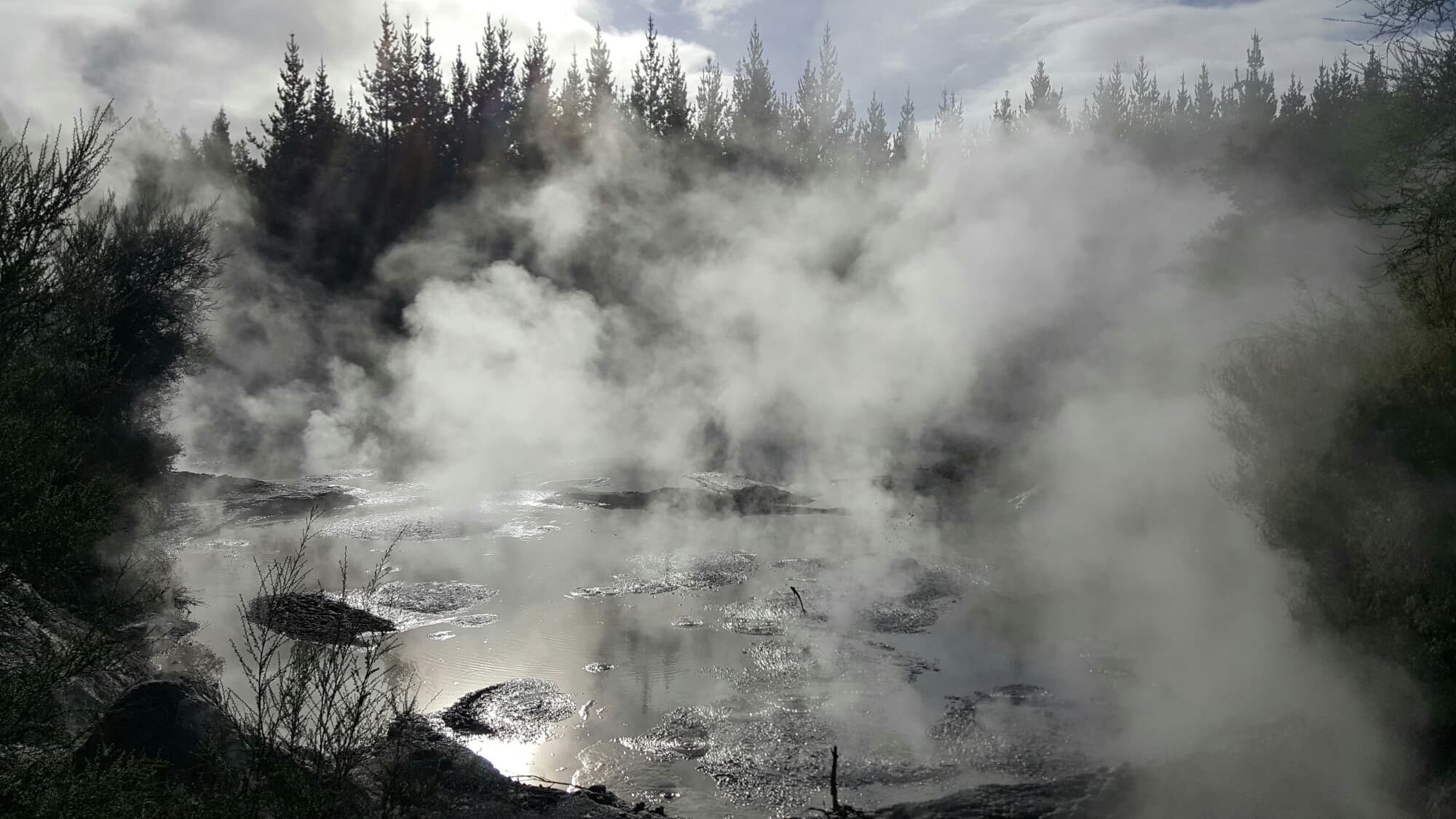
Rotorua smells like sulphur. This is the first thing you need to know and the thing nobody tells you until you are already there with your nose trying to work out what happened. It is the geothermal activity — the same volcanic energy that makes this city one of the most extraordinary places in New Zealand — and after about an hour your nose adjusts and you stop noticing it entirely. By day two it just smells like Rotorua.
I spent two days here on my solo trip around New Zealand and they were two of the most memorable days of the entire journey. Geothermal landscapes that look genuinely alien, a Māori cultural experience that was one of the highlights of four weeks in Aotearoa, and the particular pleasure of a city that exists entirely on its own terms.
Why Rotorua is Worth Your Time
Rotorua sits on the Taupo Volcanic Zone — one of the most geothermally active regions on earth — in the Bay of Plenty. Steam rises from vents throughout the urban area. It is perfectly normal to see steam drifting up from someone's garden.
Beyond the geothermal activity, Rotorua is one of the most significant centres of Māori culture in New Zealand. The local Ngāti Whakaue and Te Arawa tribes have lived here for centuries and the city has genuine cultural depth that rewards engagement.
Day 1 — Wai-O-Tapu Thermal Wonderland
I was not prepared for Wai-O-Tapu. I knew it was a geothermal park. I had seen photographs. None of that preparation was adequate for standing in front of it in person.
Wai-O-Tapu — meaning Sacred Waters in Māori — is a geothermal park about 30km south of Rotorua and one of the most visually extraordinary places I have ever been. The colours are the thing — neon greens, deep oranges, vivid yellows, electric blues from mineral deposits in the geothermal pools. The Champagne Pool alone, with its orange mineral ring around a steaming green lake, is worth the trip on its own.
The Mud Pools
Bubbling pools of grey mud with steam rising and the sulphur smell at its most concentrated. Slow, constant, slightly hypnotic bubbling that feels like stepping onto a prehistoric film set.
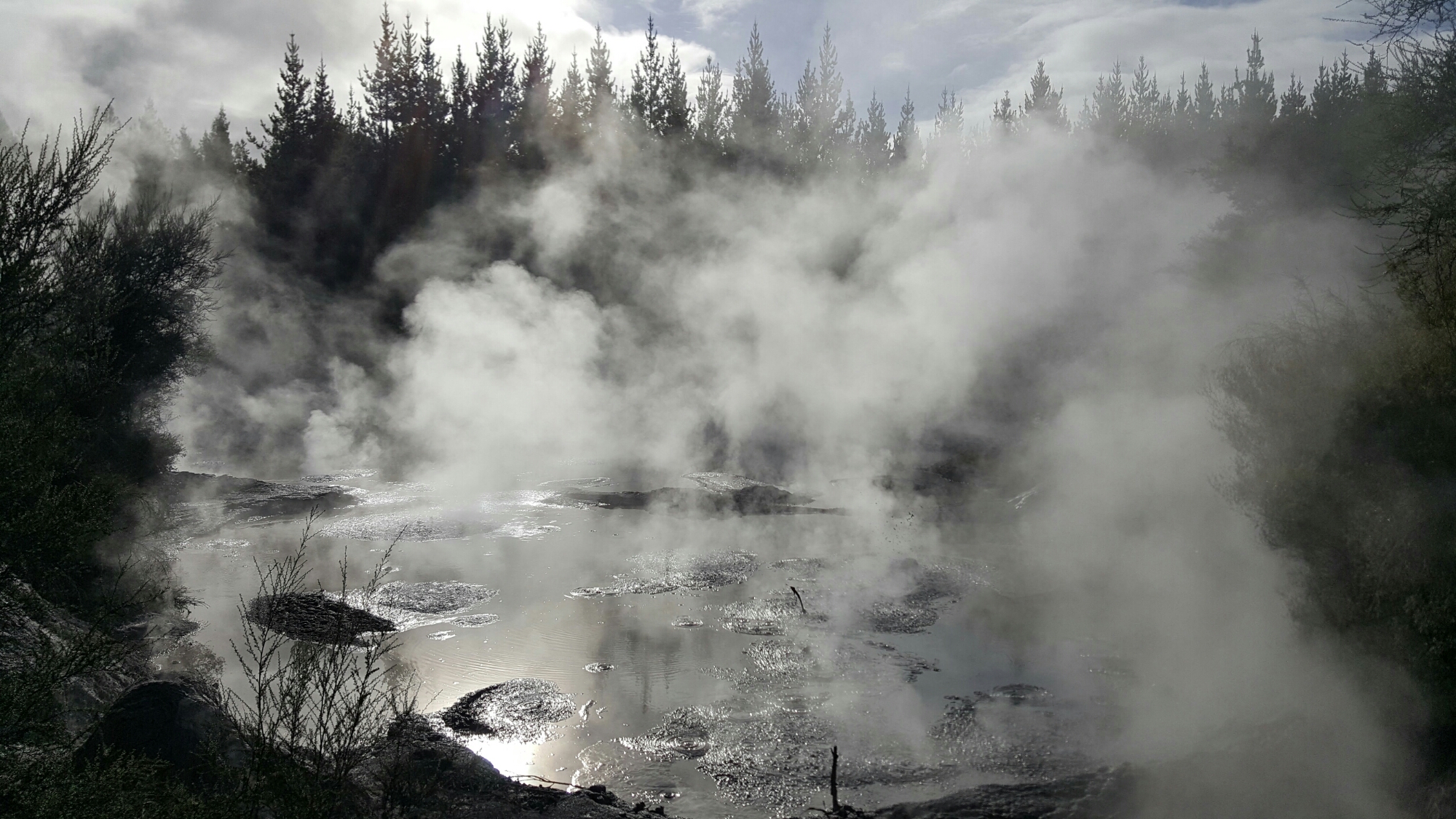 Mud pools at Wai-O-Tapu, Rotorua
Lady Knox Geyser
Erupts once daily at 10:15am — aided by soap suds that break the surface tension and trigger the eruption. Impressive, if scheduled rather than wild. Manage your expectations accordingly but still worth seeing.
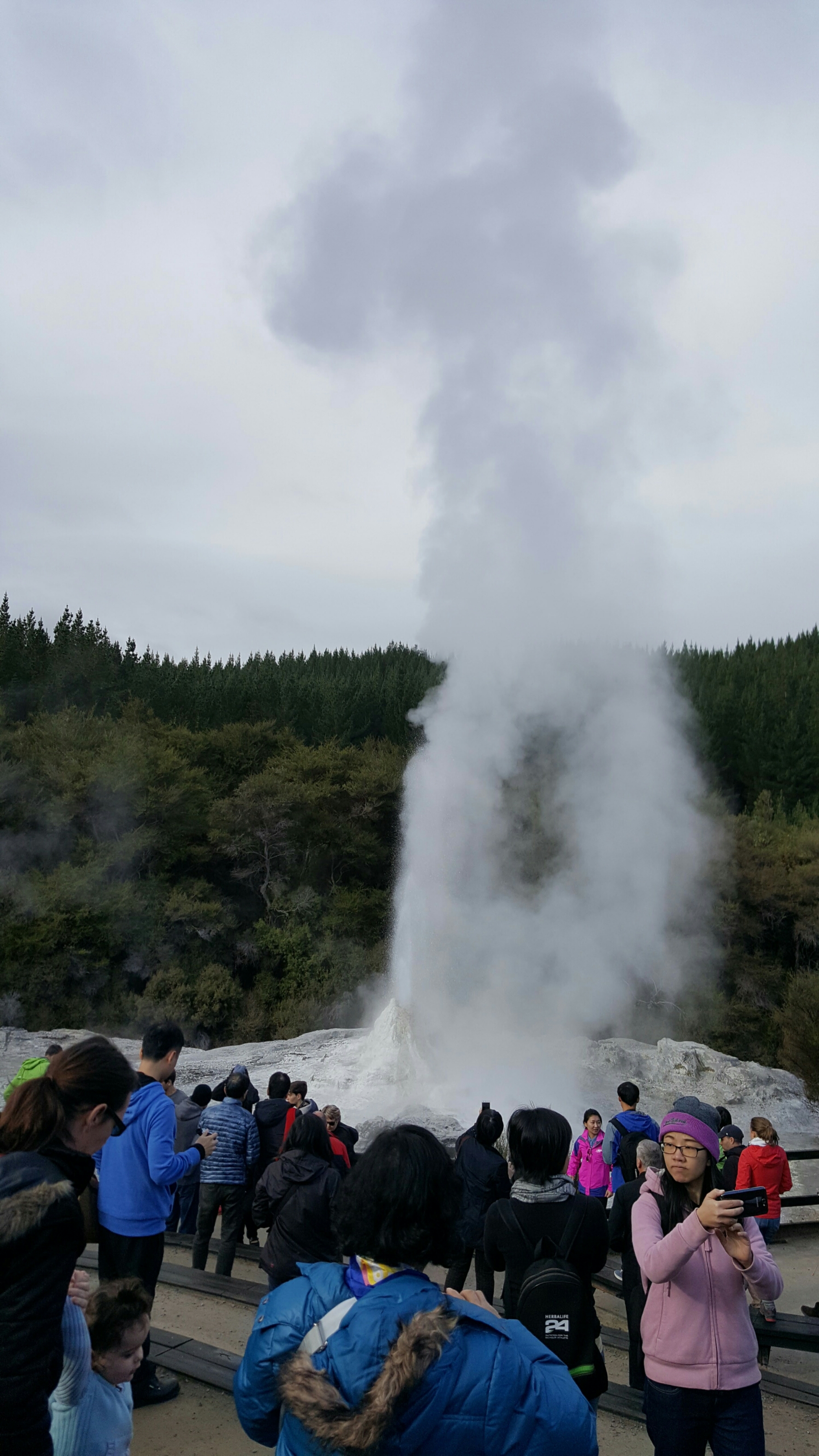 Lady Knox Geyser eruption, Rotorua
The Main Park
A walking trail winds through a landscape that looks like nothing else on earth — vivid coloured lakes, steaming vents, mineral terraces and the extraordinary Champagne Pool, bubbling at 74°C for around 900 years.
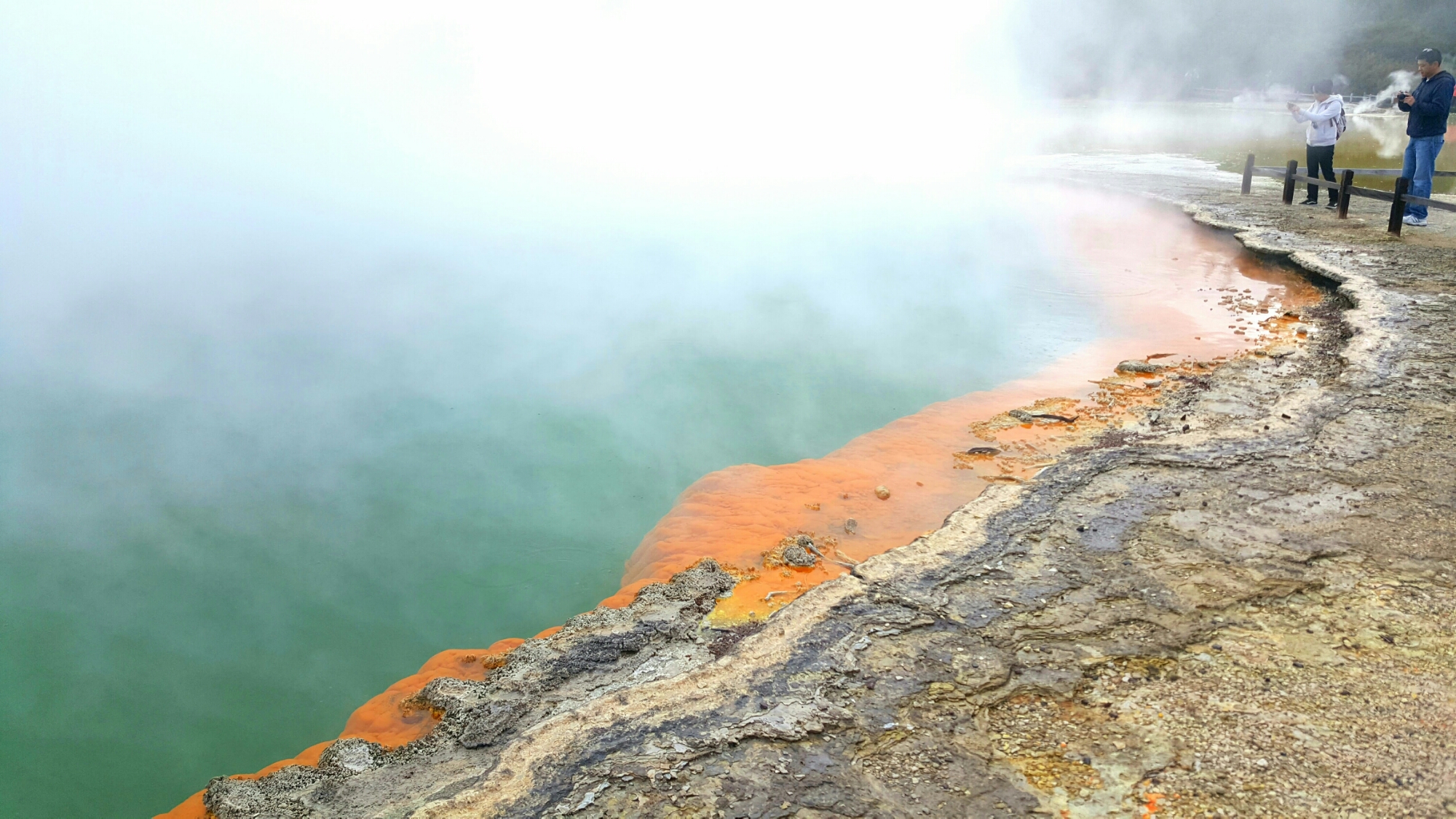 Champagne Pool, Wai-O-Tapu
Wai-O-Tapu Tip
Arrive before 10:15am to see the Lady Knox Geyser — it only goes once per day. Book transport through your accommodation the night before. The full park walk takes around 75 minutes at a comfortable pace.
Free Download
Free New Zealand Road Trip Packing List
4 weeks around Aotearoa — what actually fits in the car.
Day 1 Evening — Tamaki Māori Village
That evening I headed to a Māori cultural show at Tamaki Village — one of the best decisions I made in New Zealand.
The group put on an extraordinary show — the haka, traditional songs, poi performances — with a passion and energy that felt completely sincere rather than performed for tourists. After the performance, a traditional hangi dinner — food cooked in the ground using heated rocks. Genuinely delicious, slow-cooked and smoky.
The evening ended with a bush walk where guides pointed out native plants, a freshwater stream and — the highlight — glowworms in the dark, making the forest floor look like an inverted night sky.
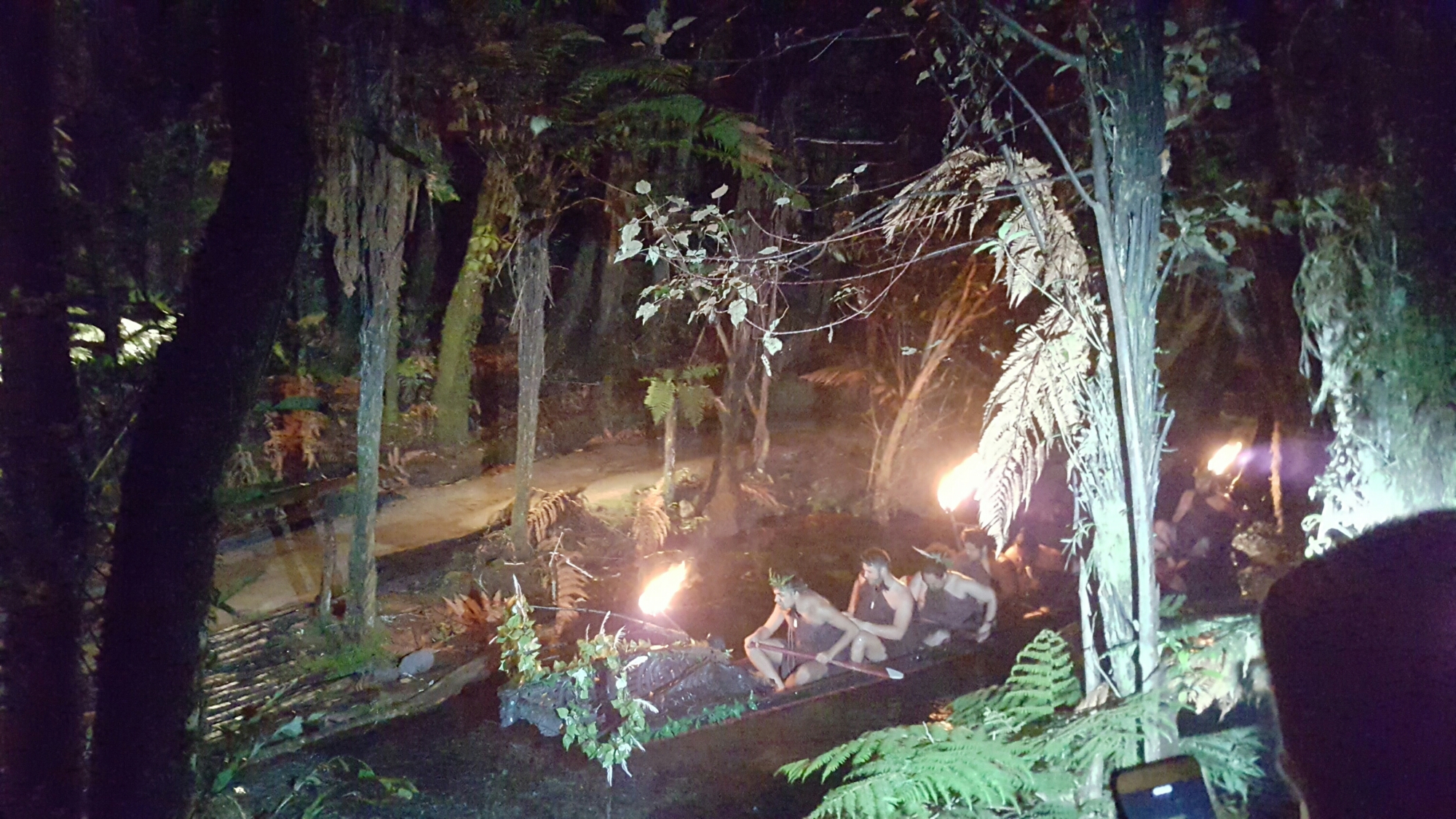 Tamaki Māori Village performance, Rotorua
Tamaki Village Tip
Book in advance — evening shows are popular and sell out during peak season. Go with an open mind and genuine curiosity — ask questions, the guides are knowledgeable.
Day 2 — More Things to Do in Rotorua
- Te Puia — a geothermal park closer to the city with the Pōhutu Geyser, one of the most active in the Southern Hemisphere, erupting multiple times daily without artificial assistance.
- Whakarewarewa — The Living Māori Village — inhabited continuously for centuries, built around active geothermal features.
- Lake Rotorua — a pleasant waterfront walk with boat trips available.
- Redwoods — Whakarewarewa Forest — California redwoods planted in the early 1900s, now 50 metres tall, with mountain bike and walking trails.
- Kerosene Creek — a free natural hot spring about 30 minutes south of Rotorua. No facilities, no entry fee, entirely natural.
- Hell's Gate — another geothermal park with a more dramatic feel — active mud volcanoes and the largest hot waterfall in the Southern Hemisphere.
Planning Tip
You cannot do every geothermal park — they will blur into each other. Wai-O-Tapu for the colour, Te Puia for the geyser and Māori arts, and one village experience is the right combination for two days.
Practical Information
Getting there: Bus or drive from Auckland, around 3 hours by road.
Getting around: Rental car or organised tours. Wai-O-Tapu is 30km from the city.
Where to stay: City centre — hostels are well positioned and will organise tours for you.
The smell: Sulphur — your nose adjusts within an hour.
Best time to visit: Year round.
How long: Two days minimum.
Free Download
Free New Zealand Road Trip Packing List
4 weeks around Aotearoa — what actually fits in the car.
All New Zealand Posts
- The Ultimate New Zealand Travel Guide — 4 Weeks Around Aotearoa
- Stepping Into Middle Earth — Hobbiton Movie Set
- Wellington — New Zealand's Coolest Little Capital
- Christchurch — A City Rebuilding
- 20 Things to Do in Queenstown
- Nevis Bungy Jump New Zealand
- South Island Road Trip — Mount Cook to the Catlins
- 20 Things to Do in Auckland
Frequently Asked Questions
Two days minimum — one full day for Wai-O-Tapu and an evening Māori cultural experience, a second day for Te Puia, the Redwoods and Kerosene Creek. Three days gives more breathing room if you want to explore beyond the immediate highlights.