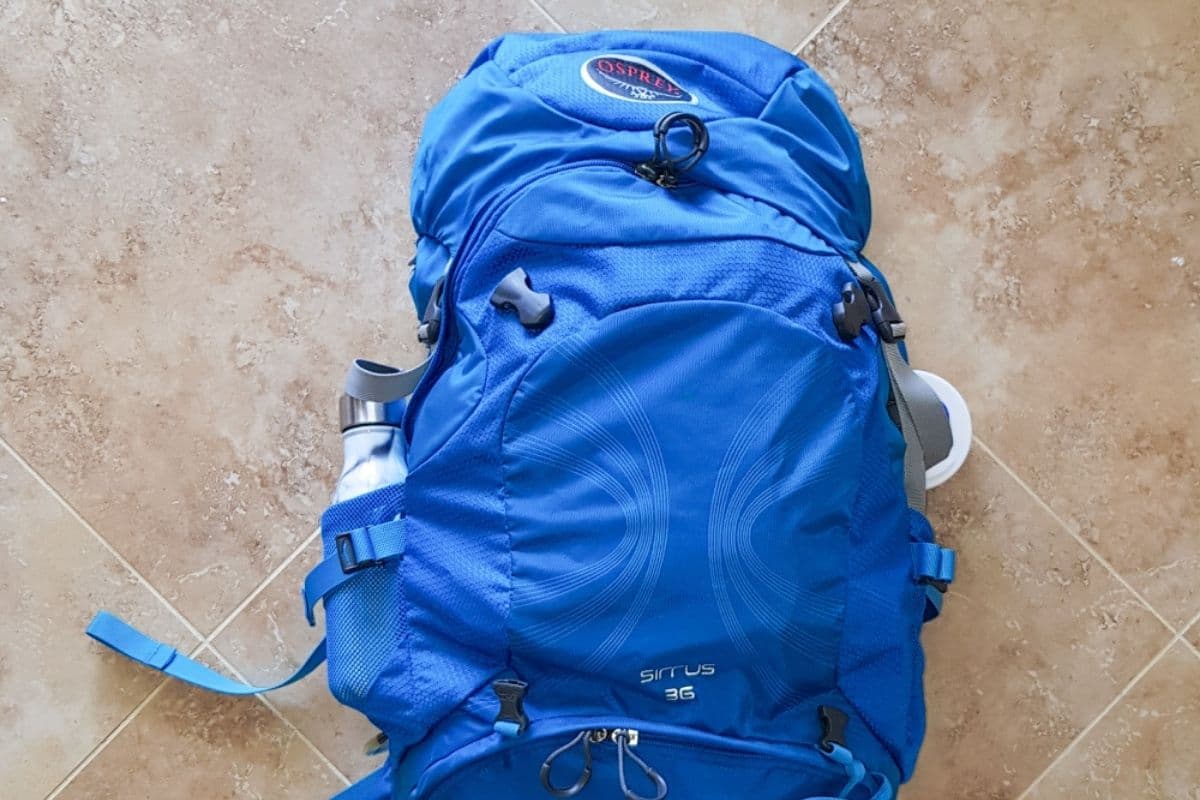
Carry-on only travel is one of the best things you can master. It's a genuine skill, but an easily learned one. Our own packs are an Osprey Sirrus 36L and a Deuter 46L, and with airlines increasingly charging just to put a bag in the overhead bin, travelling carry-on only pays for itself fast.
The downside: things get messy quickly out of a backpack. It's easy to stuff clothes in without thinking, then have to pull everything out to find what you actually need — followed by repacking the whole bag before moving on. Not ideal if you move around often, the way we did through Vietnam in just one week.
Here's exactly how we pack to stay organised and efficient on the road.
1. Pack Light
We've covered this in budget travel 101, but it bears repeating — the less you bring, the less you rummage through to find anything. A good rule: pack roughly a week's worth of clothes and plan to find a laundromat, then you're set for another week. Colder climates often let you pack even less, depending on trip length.
Generally we aim for 2-3 bottoms and 5-7 tops depending on climate. Warmer countries mean an extra top or two since you sweat through them faster; colder climates need fewer shirts unless you're doing something active like skiing.
Free Download
Free Cold Weather Packing List
The complete list for adventure travel in cold climates.
2. Use Packing Cubes
Packing cubes are genuinely one of the best travel purchases we've made. Tops go in one small cube, bottoms in another — a fantastic way to know exactly where everything is without digging. Compressible ones fit a surprising amount and pack down neatly.
3. Electronics
Losing a phone charger or cable while moving between locations is a special kind of frustrating. An electronics organiser keeps cables, SD cards and adapters together in one pouch, and cameras go into a small padded bag that sits in the middle of the backpack for safety.
4. Important Documents
A dedicated document pouch is essential for passports, visa documents and cards. We used to keep these in a ziplock bag in the top pouch of the bag — the dedicated pouch is a genuine upgrade in staying organised.
5. Cold Weather Essentials
For cold climates, we store jackets, beanies and gloves rather than carrying them loose, taking them out only on arrival. Compression sacks are genuinely perfect for this — stuff down jackets, beanies and gloves in, and everything compresses into something small enough to hook onto the outside of the backpack or tuck into the sleeping bag compartment.
6. Shoes
Our rule: no more than two pairs. For our Vietnam trip we both travelled with flip flops and sneakers. Wear your heaviest, bulkiest pair on the plane and strap the flip flops to the outside of your bag.
 Packing into the Osprey Sirrus 36L
7. First Aid Kit
A small pouch with plasters, antibiotic cream, allergy medication, painkillers and any personal medication. Ours lives in one of the hip straps for easy access in an emergency. A ready-made first aid kit is an easy way to start.
8. Toiletries
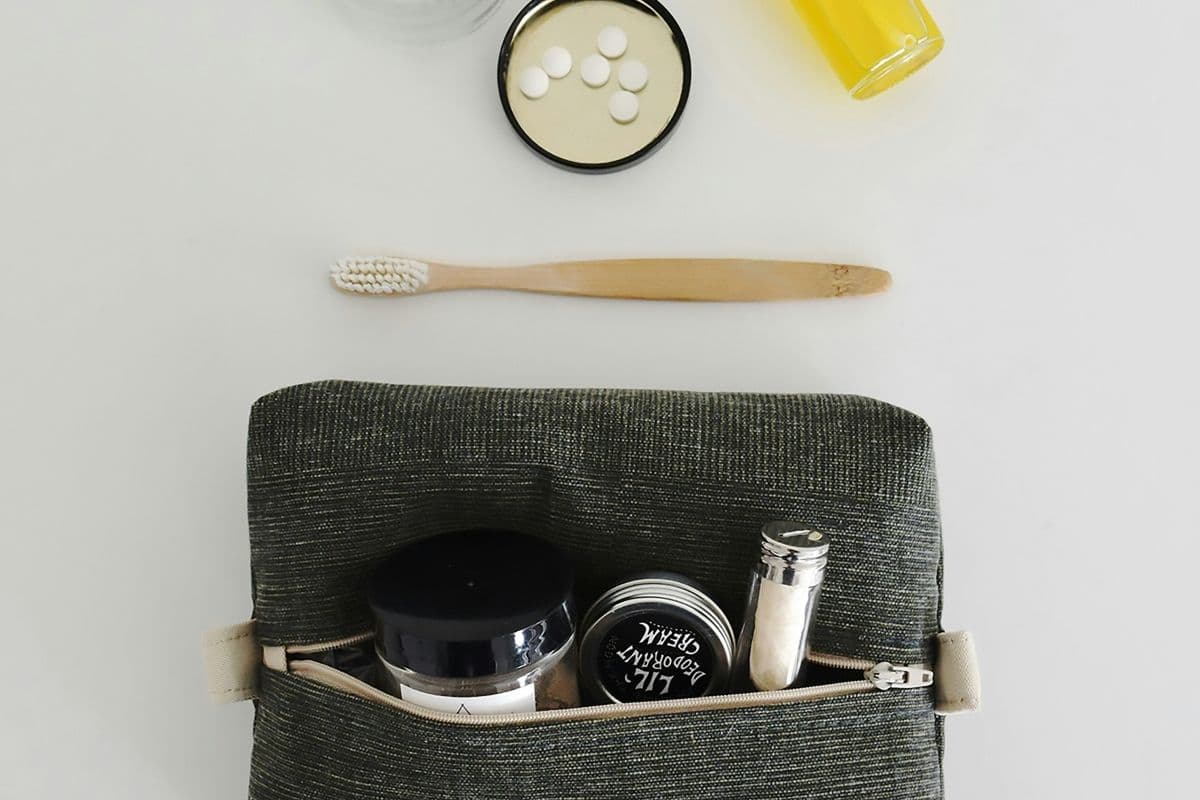
A hanging toiletry pouch is genuinely handy for campervans or hostels. Ours holds toothbrushes, toothpaste, a bar of soap, silicone travel tubes of shampoo and conditioner, and two travel tubes of perfume. My menstrual cup lives in a hip strap pouch too, alongside hand sanitiser. A Turkish towel or microfibre towel covers any accommodation that doesn't provide one.
Toiletry Bag Tip
Keep frequently-needed items (hand sanitiser, menstrual products, lip balm) in a hip strap pouch rather than buried in the main compartment — anything you need mid-journey should never require unpacking the whole bag.
9. Dirty Laundry
By the end of a trip, the sleeping bag compartment tends to become dirty laundry storage, freeing up main compartment space that was previously holding winter gear. A compression sack works well here too if laundry is piling up.
10. Day Bag
Everything neatly stashed doesn't mean walking around with the full pack every day. A packable backpack hooks onto the outside of your main pack and unfolds for daily essentials. If you've done some shopping along the way, it can double as your personal item on the flight home.
11. Pack and Unpack Strategically
Pack what you actually wear — not the one pair of trousers you haven't touched in two years, telling yourself this trip is finally the moment. It won't be. Choose items that mix and match easily, so the first shirt you pull out pairs naturally with whatever trousers are on top too. That alone prevents unpacking the entire bag just to find one thing.
 All items packed into the Osprey Sirrus 36L
Staying organised and packing light means never losing track of your things on the road — which, honestly, is most of the battle.
Free Download
Free Cold Weather Packing List
The complete list for adventure travel in cold climates.
Related Posts
Frequently Asked Questions
Anything in the 36-46L range typically fits airline carry-on size restrictions, though always check the specific airline before you fly. We use an Osprey Sirrus 36L and a Deuter 46L, and both work well for extended trips packed carefully.
Build your trip plan as you read
Use the free Wandering Bajans trip planner to build your itinerary, packing list and budget as you go.
Open the Trip Planner →