Travelling can be expensive, there is no doubt about that. When you start looking at flight prices and hotel rooms it really seems a bit out of reach. The good news: there are genuinely effective ways to bring the cost down without cutting the experience short. Here are the budget travel strategies we actually use, every time we travel.
Free Download
Free Budget Travel Planner
Plan your trip, track your spending, travel more for less.
Budget Travel Tips
1. Travel in Shoulder Season
When planning a trip you'll come across these terms:
- High Season
- Low Season
- Shoulder Season
High season for most destinations is late spring into summer, or around major festivals and holidays. Summer is high season because the weather is better and schools are out, making it the perfect window for families — which also drives flight and accommodation prices up drastically.
Low season is usually winter, especially in destinations without a ski industry to offset it. Iceland in February is a good example — the middle of winter, minimal daylight, not appealing to everyone. Because conditions aren't ideal, prices drop significantly on flights, accommodation and tours to encourage visitors. This is often the best time to find genuine deals, though weather may be rough and some tours won't be running.
Shoulder season is the sweet spot — usually April-May or September-October in most countries. Prices stay relatively low since school terms are still in session and things are quiet, but the weather has usually improved from the off-season low. Attractions, car rentals, hotels and hostels can all be noticeably cheaper during this window too.
January is another excellent time to travel. After the Christmas rush, airlines run seat sales to boost January demand — most people have already travelled to be with family, nobody's really booking new trips, and kids are heading back to school. We usually travel in October, which happens to mean spending our birthdays in some genuinely epic locations.
Shoulder Season Tip
If your dates are flexible at all, shift your trip by even 2-3 weeks either side of peak season. The price difference on flights and accommodation is often dramatic for a relatively small trade-off in weather.
2. Track Flight Prices Properly
Track prices rather than booking the first one you see. Google Flights shows suggestions for saving money, flagging if flying a day earlier or later saves a meaningful amount. Skyscanner lets you compare length of trip against price across a whole month at a glance. Both are genuinely useful, and it's worth cross-checking the final price directly on the airline's own site before booking, since third-party sites occasionally add fees.
3. Stay in Budget Accommodation
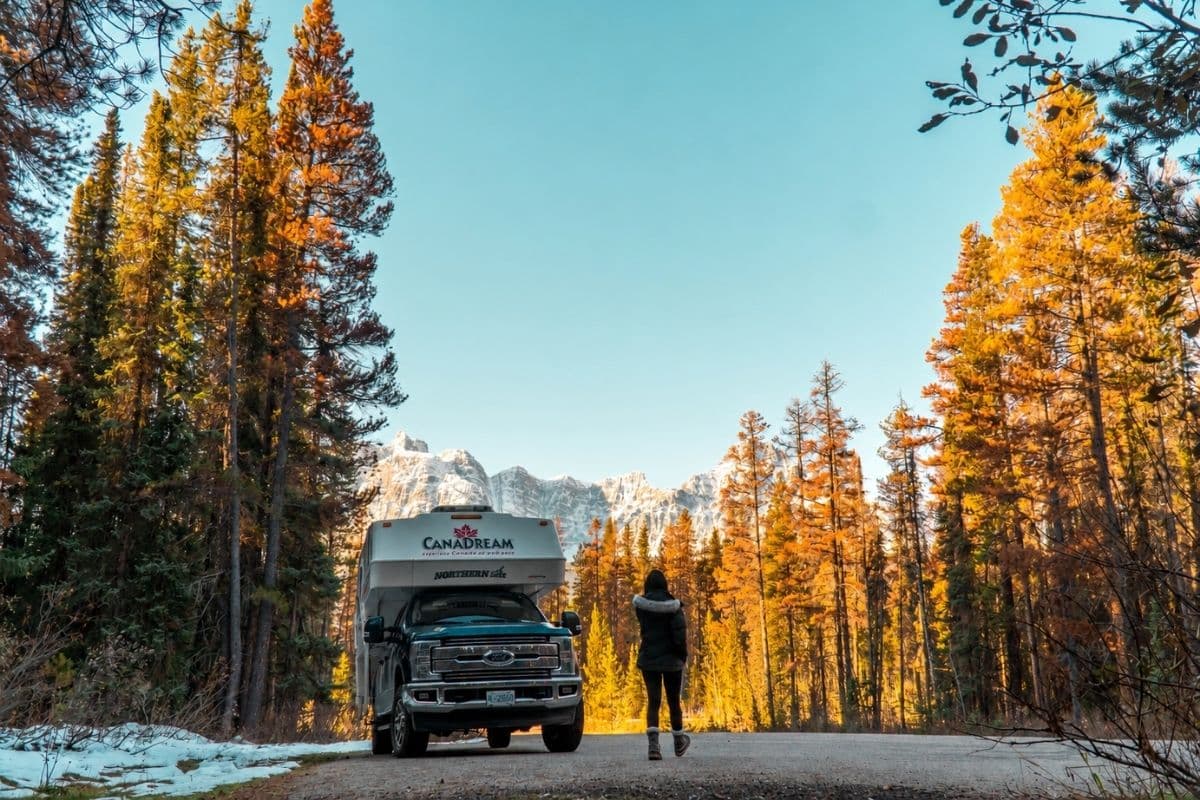
Camping — if you love the outdoors, this is one of our favourite budget travel tips. If you're planning a road trip, campsites cost a fraction of a hotel, and some countries even allow free wild camping in designated areas. We did this around Iceland in a campervan and it remains one of our most memorable trips to date. The freedom is worth the trade-off in comfort.
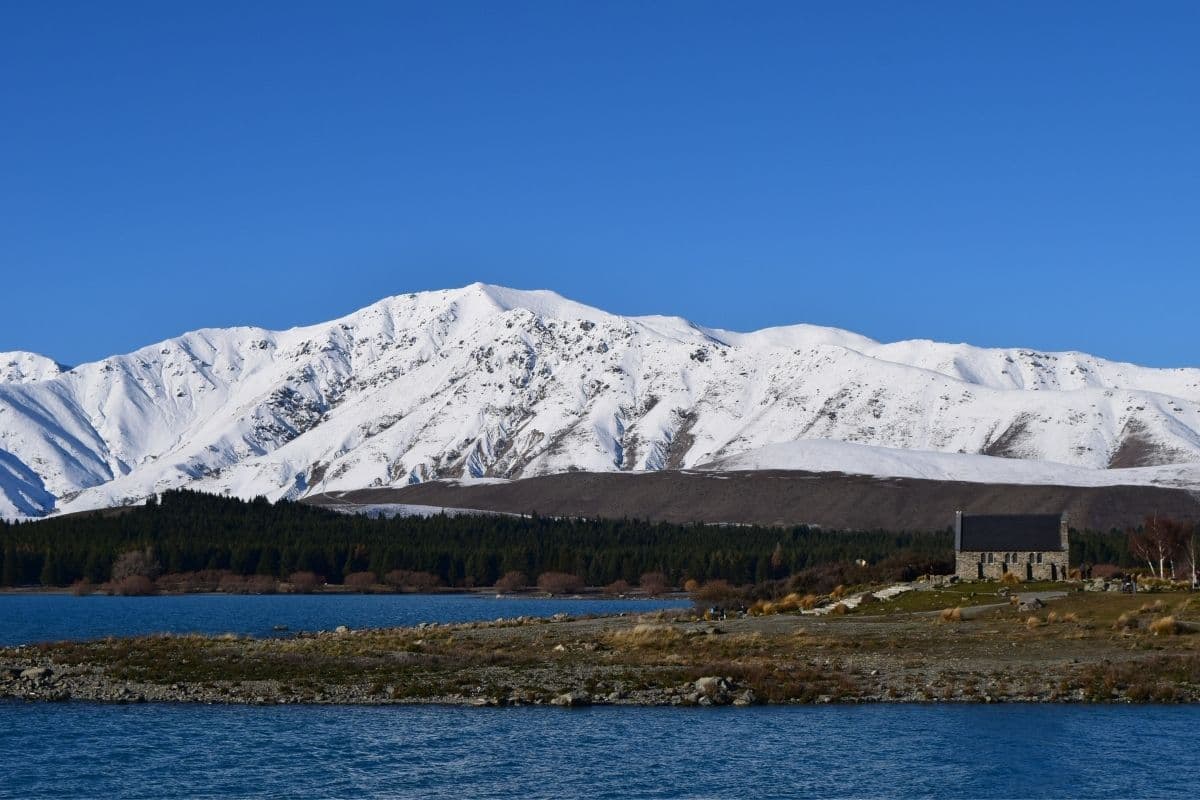
Hostels — people automatically assume hostels are dirty, uncomfortable places. In reality, they couldn't be more wrong. We've stayed in hostels across New Zealand for around $20 USD a night — everything from 4-bed dorms with a private shower to 6-bed dorms with communal facilities, all clean, well kept and staffed by genuinely helpful people. Bonus for solo travellers: hostels are one of the best ways to meet people and find company for your adventures. Most also offer private rooms at budget prices as an alternative to dorms, with options for smaller dorms and separate male/female dorms depending on preference.
Airbnb — can offer amazing deals and genuinely great accommodation, particularly for longer stays or groups where the per-person cost drops significantly compared to hotel rooms.
Budget hotels — Booking.com is our go-to for finding good value hotel rooms, and it now covers apartments, guest houses and B&Bs alongside traditional hotels, which widens the options considerably.
Couchsurfing — connects you with locals who host you free of charge. A genuinely great way to meet people in a new country, though it requires more caution than the other options here — trust your instincts and never stay somewhere that doesn't feel right just because it's free.
Accommodation Tip
Mix accommodation types across a longer trip rather than defaulting to one option. Camping or hostels for the budget-conscious stretches, an Airbnb or budget hotel when you want your own space, and the savings across the whole trip add up significantly.
4. Use Public Transport
Travelling by bus is almost always the cheapest way to get around a country. Overnight buses are even better, since you save on a night's accommodation while you travel. We've had a 10-hour bus ride cost as little as $1 when booked as part of a bundle deal, and other 10-hour rides that were rougher going — book ahead when you know your plans, since long bus rides are almost always cheaper than flying and you get to see far more scenery along the way.
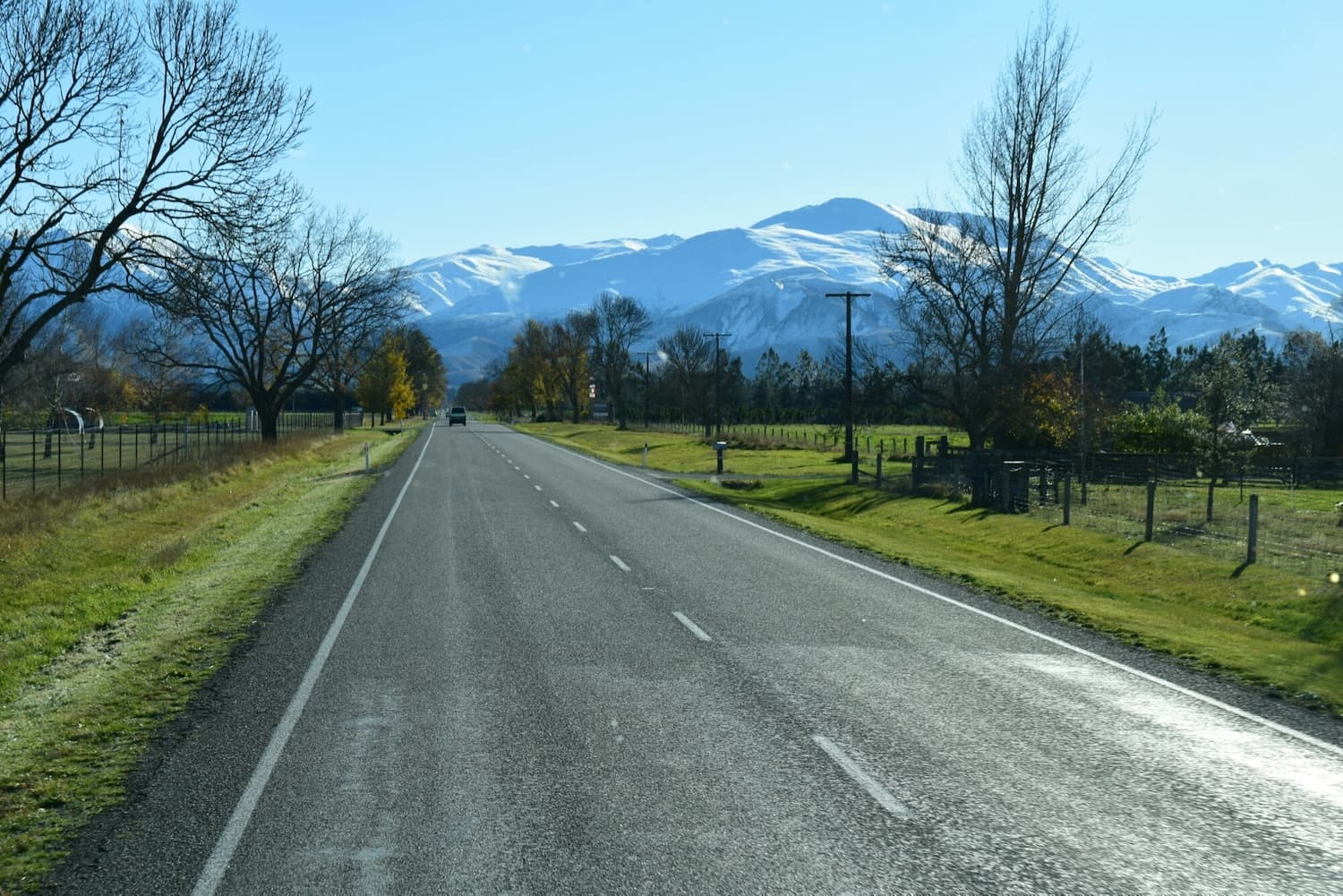
Car rentals vary a lot by season and available discounts. Driving your own car opens up far more off-the-beaten-path locations than public transport allows. Look into car relocation deals too, particularly in Australia and New Zealand — rental companies sometimes need a car moved back to its starting point and will rent it out for next to nothing to make that happen.
Free Download
Free Road Trip Planning Checklist
Everything to sort before, during and on the road.
5. Travel Light
Travelling light is one of the most underrated budget travel strategies. Here's why it matters more than people expect:
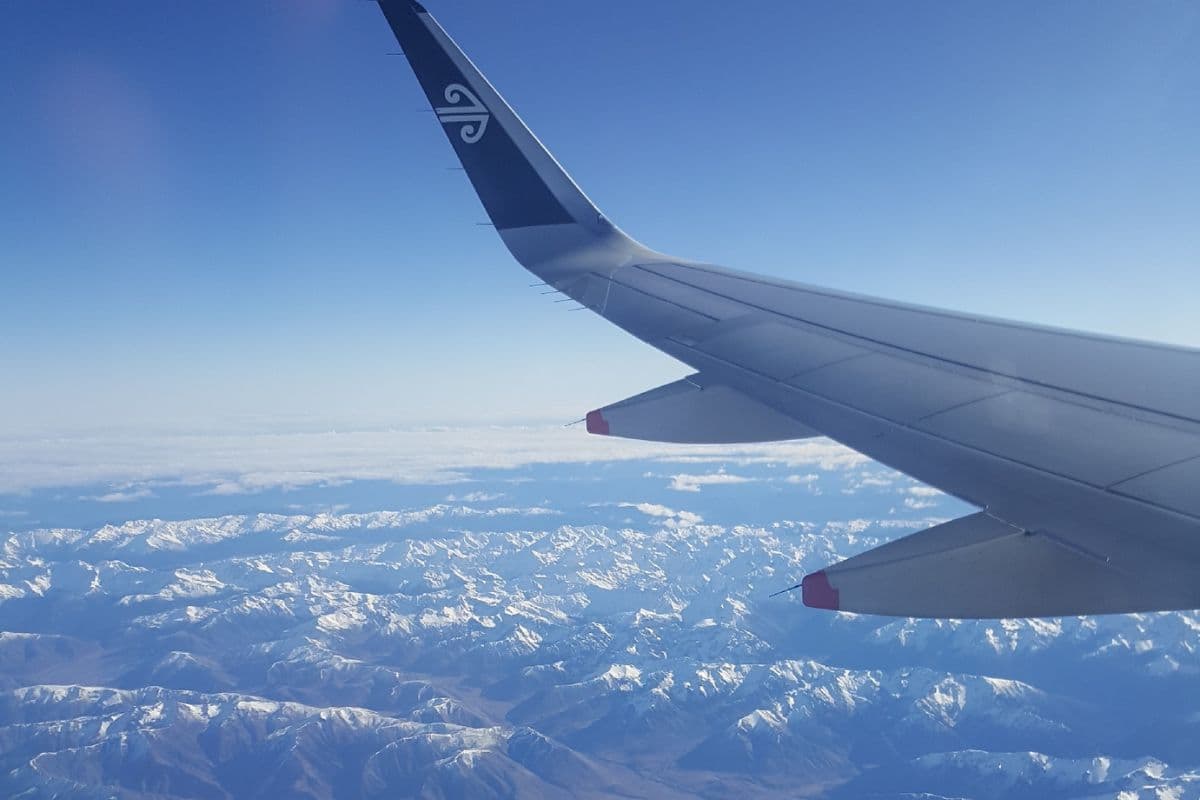
You save money. More airlines now charge for checked luggage — often $25-60 USD per bag, per flight. That adds up fast across a multi-flight trip, and in destinations like Southeast Asia that same $25 could cover two nights' accommodation. A good carry-on bag and the skill of packing light pays for itself repeatedly. Read our full guide to carry-on only packing and check out the Osprey Sirrus 36L we use for exactly this.
Airlines can't lose luggage they never checked. The fee you pay to check a bag doesn't guarantee it arrives with you. It doesn't happen often, but the horror stories of arriving somewhere with no luggage and no clothes are real, and travelling carry-on only eliminates that risk entirely.
You always have a change of clothes on you. If you're clumsy enough to spill something on yourself with 12 hours of travel still ahead, having all your clothes in your carry-on means you can freshen up in the plane bathroom rather than suffering the rest of the journey.
Carry-on bags fit more than you'd think. We travel with an Osprey 36L and a Deuter 40L and comfortably fit a week's worth of clothes plus an extra day or two, camera equipment and toiletries. A small packable backpack doubles as a day bag once you've arrived.
It's genuinely easier to move around. Less to carry means you can walk further and navigate more easily than dragging a suitcase — and skipping baggage claim entirely saves real time at both ends of a flight.
6. Travel to More Affordable Countries
The flight there might cost slightly more, but accommodation, transport and food will be significantly cheaper once you land. Southeast Asia, India, Nepal, and countries across South and Central America are all excellent value destinations. Even a destination like South Africa offers a genuinely favourable exchange rate for many visitors, stretching a modest budget considerably further than in Western Europe or North America.
Beyond destination choice, there are other ways to fund longer-term travel. Working abroad on a holiday visa is an option in several countries. WWOOF programs let you work in exchange for room and board, typically on farms. Teaching English abroad is another well-trodden path for funding extended travel. Couchsurfing remains an option too — approached with the same caution as anywhere you're staying with strangers.
Budget Destination Tip
Don't discount a destination purely because the flight looks expensive. Calculate the full trip cost — flight plus a realistic daily budget for accommodation, food and activities — before ruling anywhere out. A pricier flight to a genuinely affordable country can still work out cheaper overall than a "cheap flight" to an expensive one.
7. The Tools That Actually Save Money
Beyond the strategies above, a few practical tools make a real difference on every trip:
A fee-free card. Standard bank cards typically charge 2-3% on every foreign purchase — on a $2,000 trip that's $40-60 disappearing for no reason. We use Wise for genuinely fair exchange rates with no hidden fees, everywhere from ATMs to local rum shops.
A local eSIM. Roaming charges are a quiet travel tax most people accept without questioning. An Airalo eSIM activates before you even land, meaning no queuing at the airport for a physical SIM and no surprise roaming bill when you get home.
A car rental comparison tool. If your trip involves any driving, DiscoverCars compares rates across companies in a single search — consistently cheaper than booking direct with a single provider, and particularly useful for spotting one-way rental deals.
8. Eat Like a Local
Food is one of the easiest budgets to blow without noticing, and one of the easiest to control once you're intentional about it. Street food and local eateries are almost always better value and often better tasting than the tourist-facing restaurants nearby. Markets and small grocery stores let you self-cater at least some meals if your accommodation has a kitchen, which adds up to significant savings over a longer trip. Save the sit-down restaurant meals for the moments that actually call for them rather than defaulting to them every night.
9. Do Your Free Research
Some of the best things to do anywhere are free, and they rarely make it onto the "top paid tours" lists that dominate search results. Free walking tours (tip-based) exist in most major cities worldwide. Public beaches, hiking trails and viewpoints cost nothing. Local tourism boards and city subreddits are often better sources for genuinely free activities than any paid guide.
Free Download
Free Budget Travel Planner
Plan your trip, track your spending, travel more for less.
The Bottom Line
None of these strategies require sacrificing the quality of your trip — they just require a bit more intentionality about where your money actually goes. Travel shoulder season, track flight prices properly, mix up your accommodation, use public transport where it makes sense, pack light, and be open to destinations that stretch your budget further. That combination is genuinely how we've managed to travel as often as we have.
I hope some of these tips encourage you to start exploring. Book that ticket and go on your adventure.
Related Posts
- Budget Breakdown: Canadian Rockies Road Trip
- Barbados on a Budget
- Carry-On Only Packing Guide
- Osprey Sirrus 36 Review
- Iceland Road Trip Itinerary — 12 Days
Frequently Asked Questions
Shoulder season — typically April-May or September-October in most countries — offers the best balance of lower prices, thinner crowds and reasonable weather. Low season (winter in most destinations) is even cheaper but comes with worse weather and some attractions or tours not running. January is also excellent, since airlines run seat sales after the Christmas rush and demand drops significantly.
Build your trip plan as you read
Use the free Wandering Bajans trip planner to build your itinerary, packing list and budget as you go.
Open the Trip Planner →