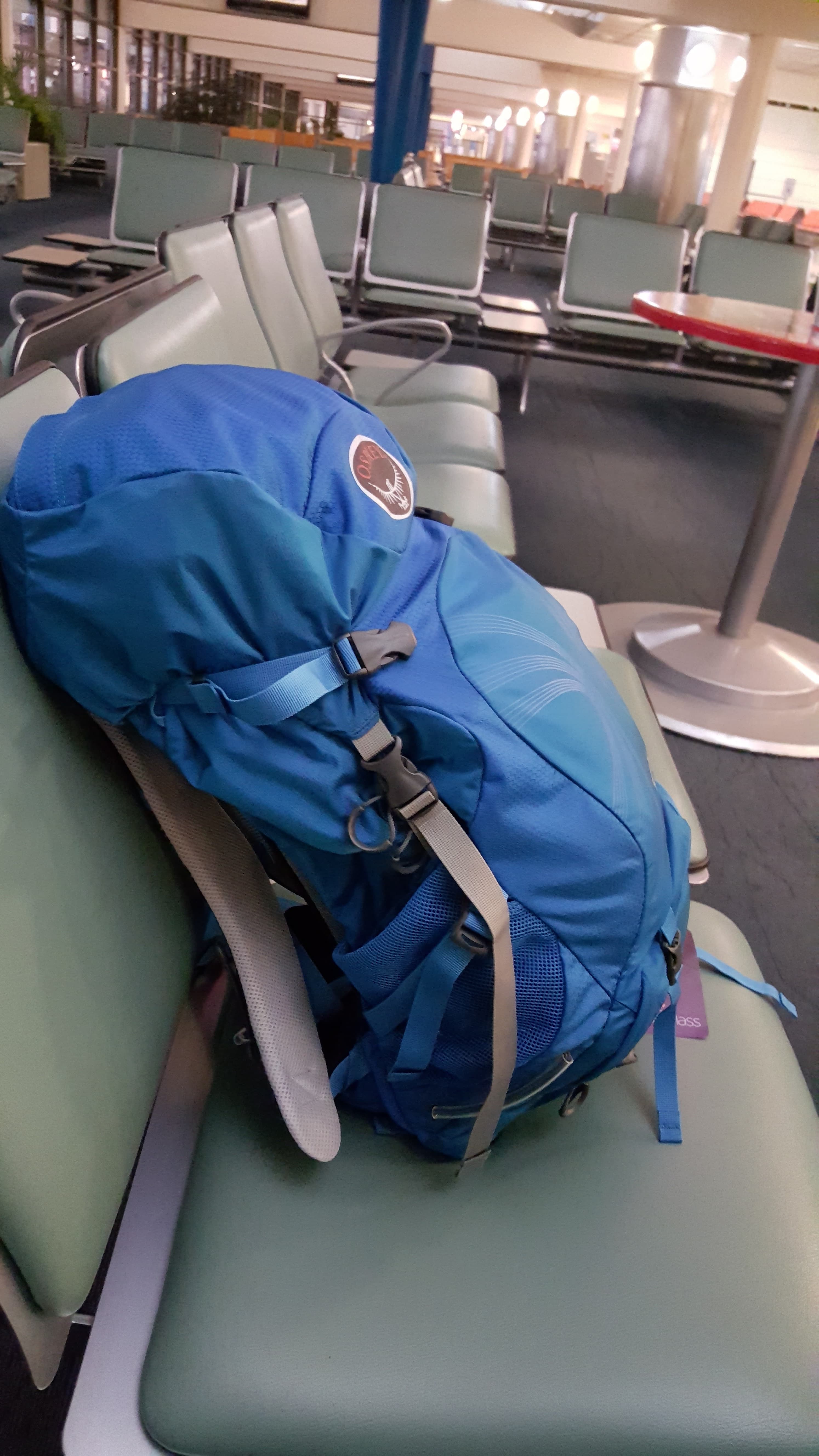
After booking my Inca Trail trip I realised I needed a proper backpack to take with me. After a lot of research I found the Osprey Sirrus 36L — and it turned out to be one of the best gear purchases I've ever made. This pack is the perfect size — I managed a week in Peru and four weeks in New Zealand carrying nothing but this, including winter gear.
Years later it's still one of the bags I recommend most often. Here's every compartment, what works, and how it compares to the Osprey Renn 50L if you need something bigger.
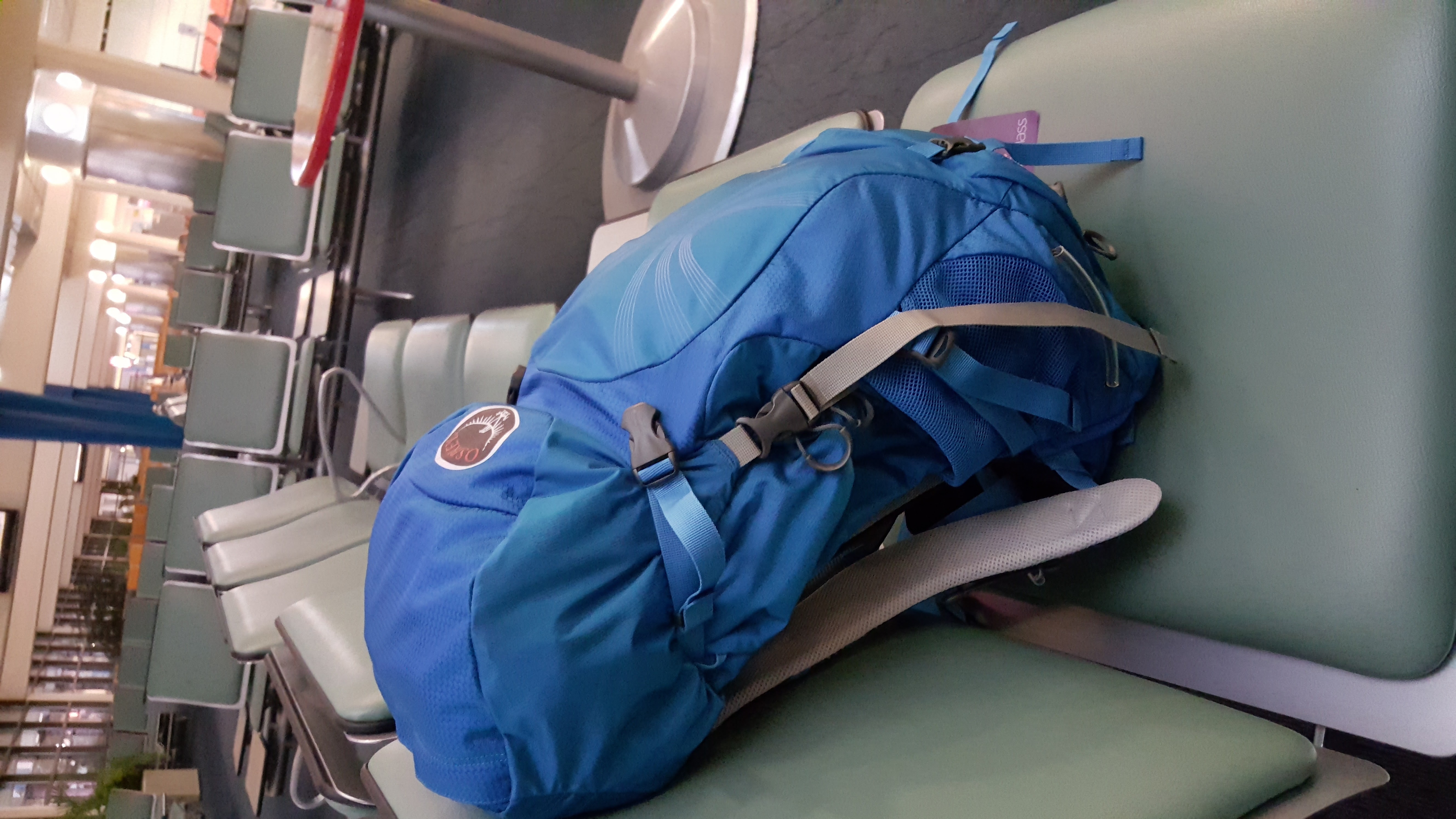 The Osprey Sirrus 36 — our first trip together
Osprey Sirrus 36L Compartments
Flip Top
There are two pockets in the flip top. The top pocket, which is quite shallow, is what I use for all my documents — stored in a ziploc bag for extra protection so they don't get wet, with my wallet squeezed in there too so I always know it's safe. The next zipper pocket sits below the shallow one, deeper and more spacious, and I use it for chargers and my GoPro. It's bigger than the first compartment so you can fit a surprising amount in there.
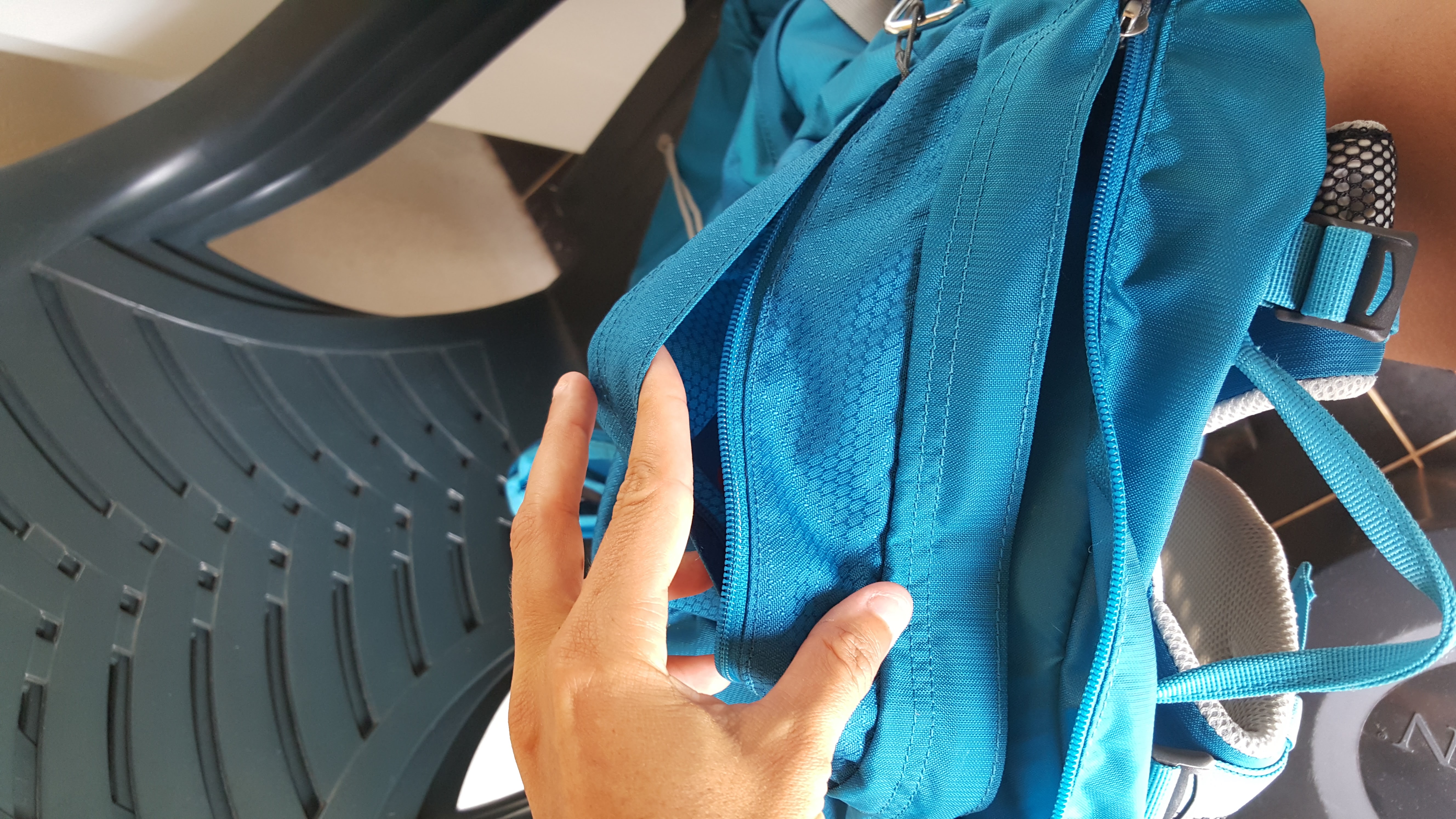 Showing the top zip compartments
Main Body
When you flip the top there's a drawstring opening so the bag can be used as a top loader. You can also open the zip on the front to load from there instead. Everything is easy to reach and you don't have to unpack the whole bag to get to the bottom — perfect when you need something quickly.
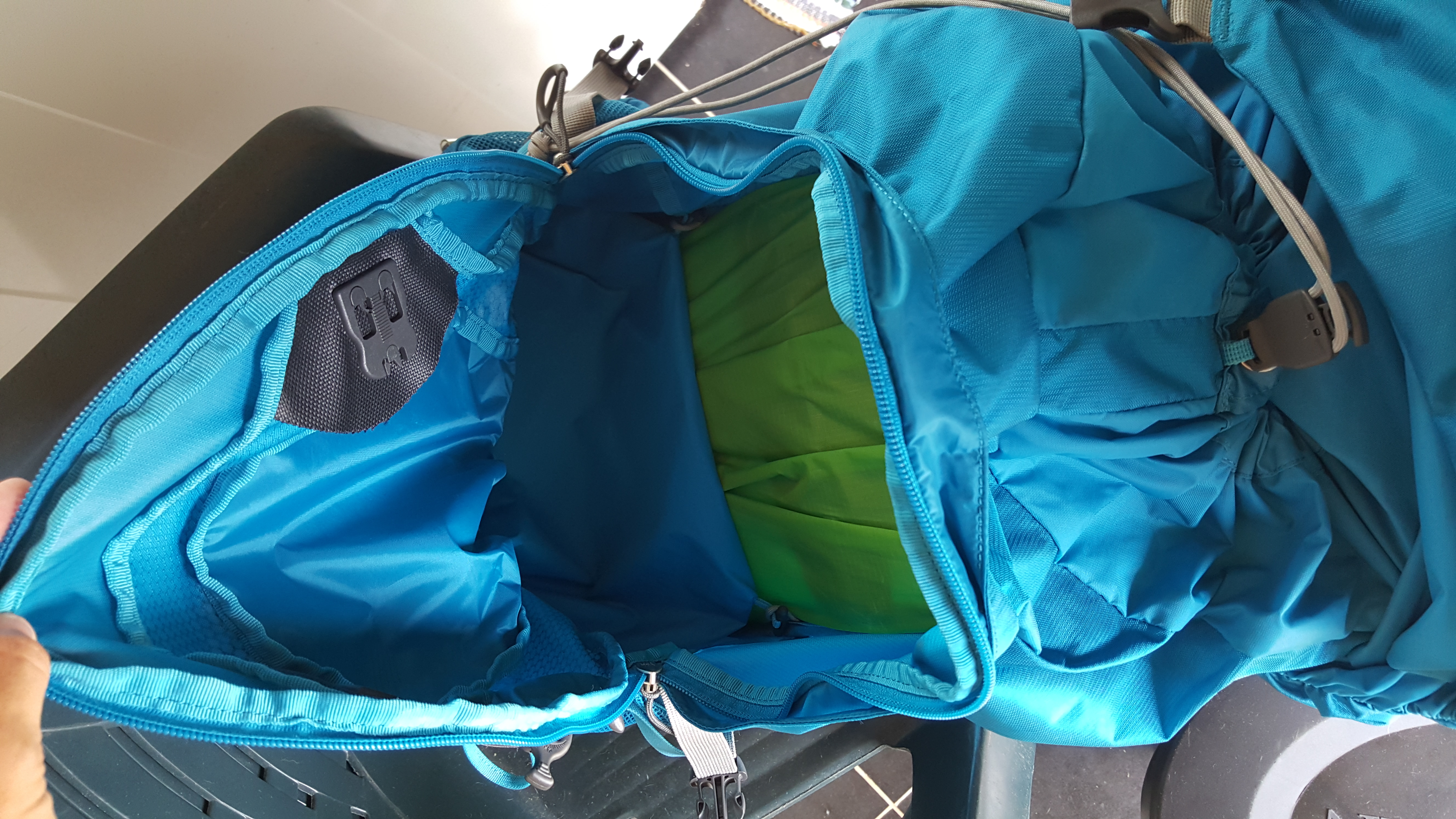 Front loading and top loading compartments
Bottom Compartment
At the bottom there's a sleeping bag compartment. I've used this for underwear and swimsuits or shoes and dirty laundry depending on the trip. There's also an option to remove the divider so you have one big space instead of two. Once packed and clipped down, the compression straps let you shrink the whole pack for easier carrying.
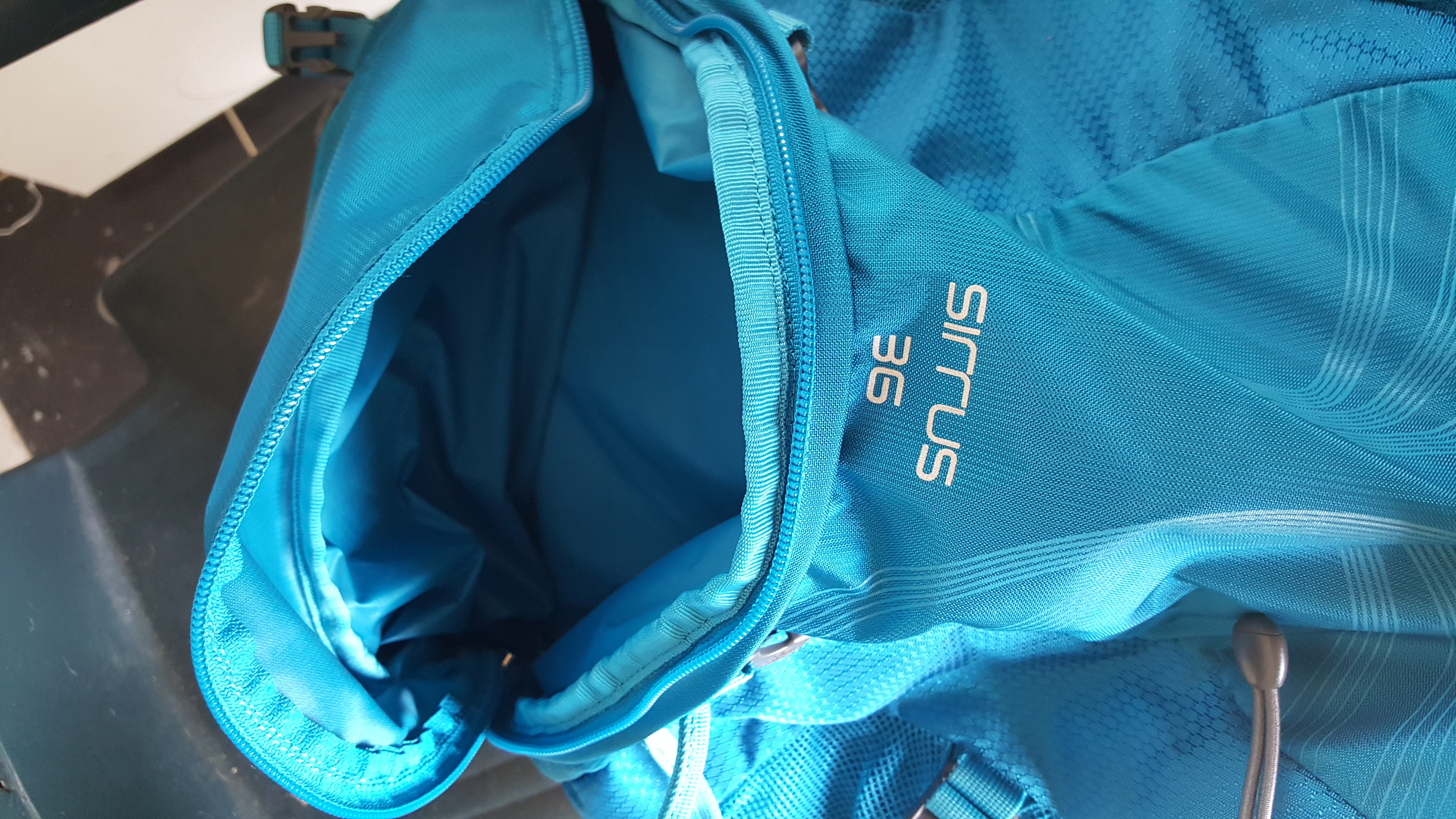 So much space in the bottom compartment
Free Download
Free Inca Trail Packing List
Tested on the classic 4-day trek to Machu Picchu.
Comfort — The Airspeed Back Panel
When you put on the Osprey Sirrus 36L you'll notice the mesh Airspeed back panel, which allows air to pass through so you don't end up with a sweaty back. This worked brilliantly — after hiking all day in Peru I never once felt like the pack was stuck against my back. Comfort matters enormously when you're hiking six or seven hours a day, and the shoulder straps here are well padded and genuinely comfortable throughout.
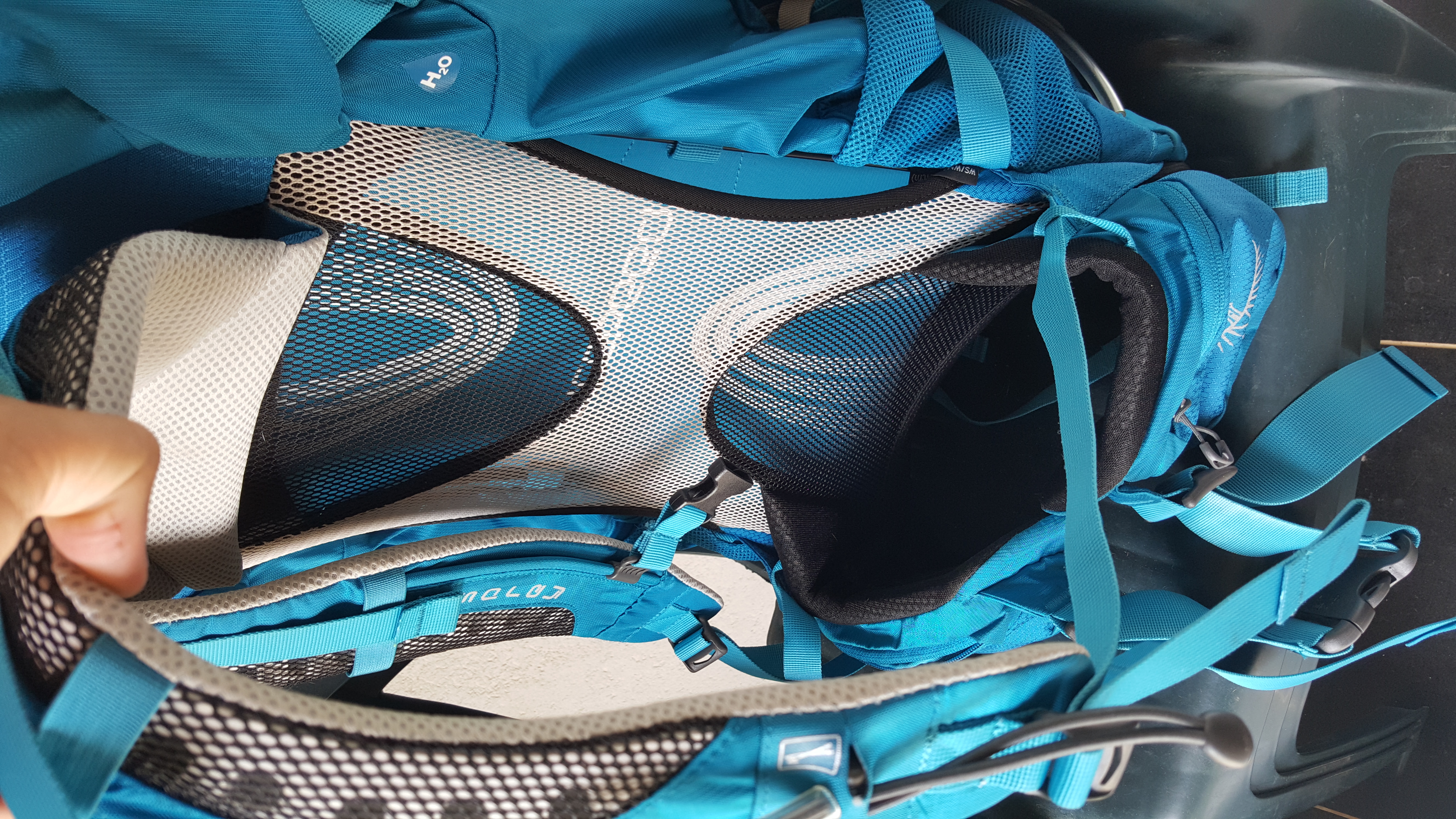 The Airspeed mesh back panel and hip belt pockets
Hip Belt Pockets
The pockets on the hip belt are the perfect size. I kept a small first aid kit in one pocket so it never got lost in the depths of the bag. The other pocket held hand sanitiser and tissues within easy reach for the Inca Trail toilet stops. I also squeezed my GoPro in here so I could pull it out and grab a shot along the way without stopping to dig through the main pack.
Conclusion
The Osprey Sirrus 36L is functional, comfortable and the colour options are genuinely nice — people could spot me from a mile away in the bright blue version. The 36L size holds a surprising amount and, crucially, is carry-on compatible on most airlines — no checked baggage fees.
I travelled through New Zealand in May/June with full winter gear in this bag for four weeks. If you pack smartly, you can do it too. This same bag also carried me through the Lost City trek in Colombia and was just as functional and comfortable there. It continues to pay for itself with every trip.
Find the Osprey Sirrus 36L on Amazon →
Sirrus 36 vs Renn 50
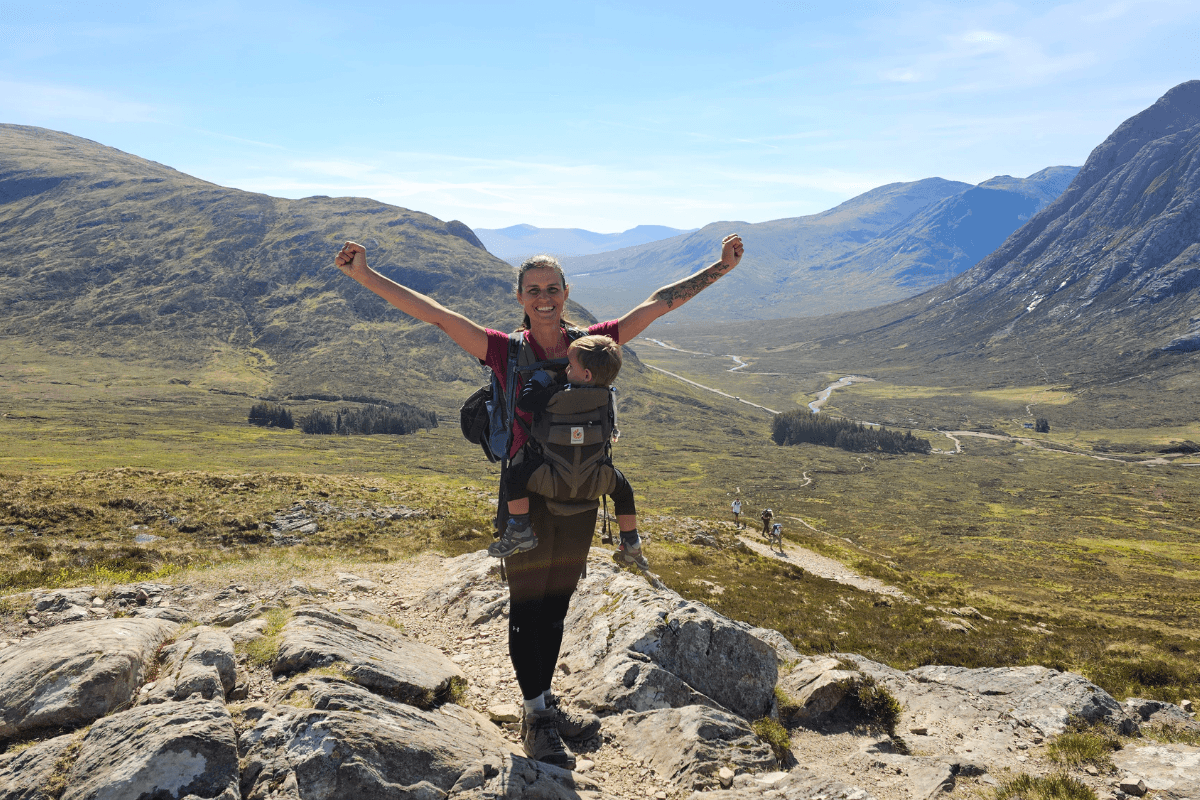
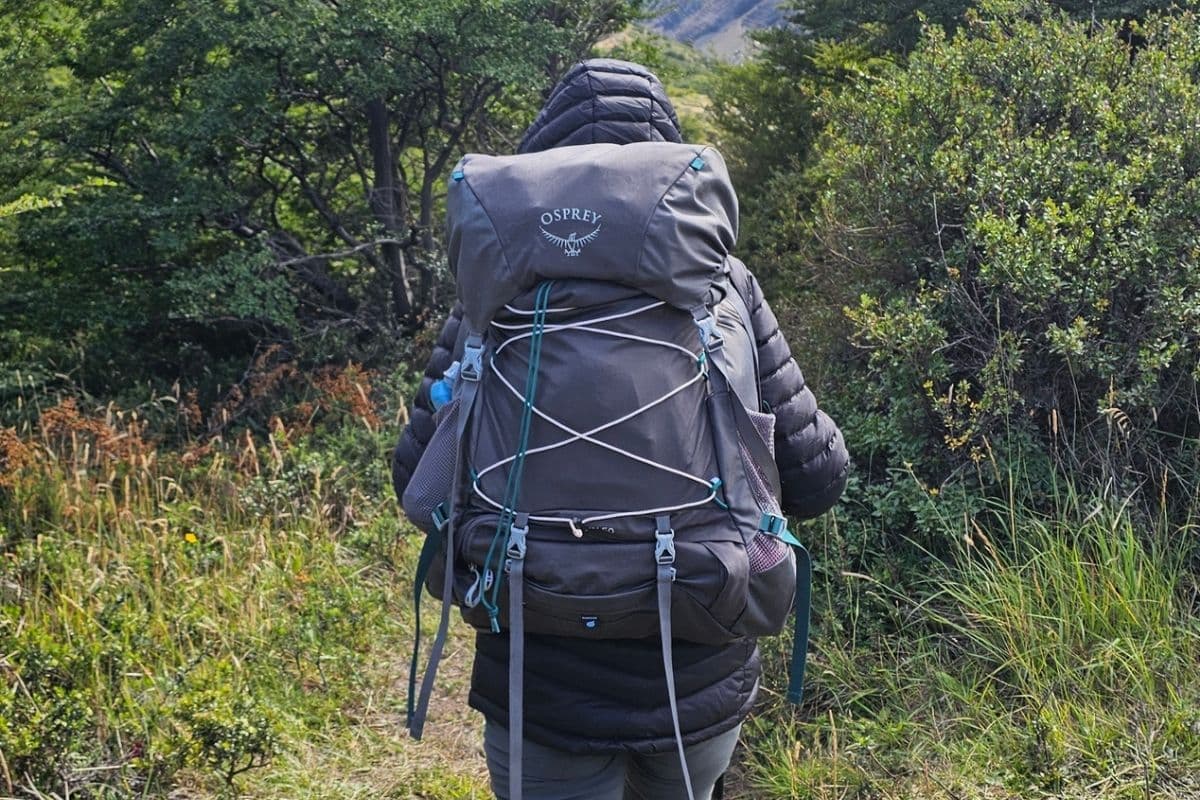
If you need more capacity — multi-day camping trips, longer expeditions, or travelling with a toddler's gear alongside your own — I now use the Osprey Renn 50L. Read the full Renn 50L review to see which size makes more sense for your trip.
Free Download
Free Inca Trail Packing List
Tested on the classic 4-day trek to Machu Picchu.
Related Gear and Trip Guides
- Osprey Renn 50L Review
- Hiking the Inca Trail with G Adventures
- Colombia's Lost City Trek
- New Zealand Travel Guide — 4 Weeks Around Aotearoa
- Inca Trail Packing List
Frequently Asked Questions
Yes — at 36 litres it fits carry-on size restrictions on most airlines, meaning no checked baggage fees. I've carried it through a week in Peru and four weeks in New Zealand using nothing else, including winter gear.