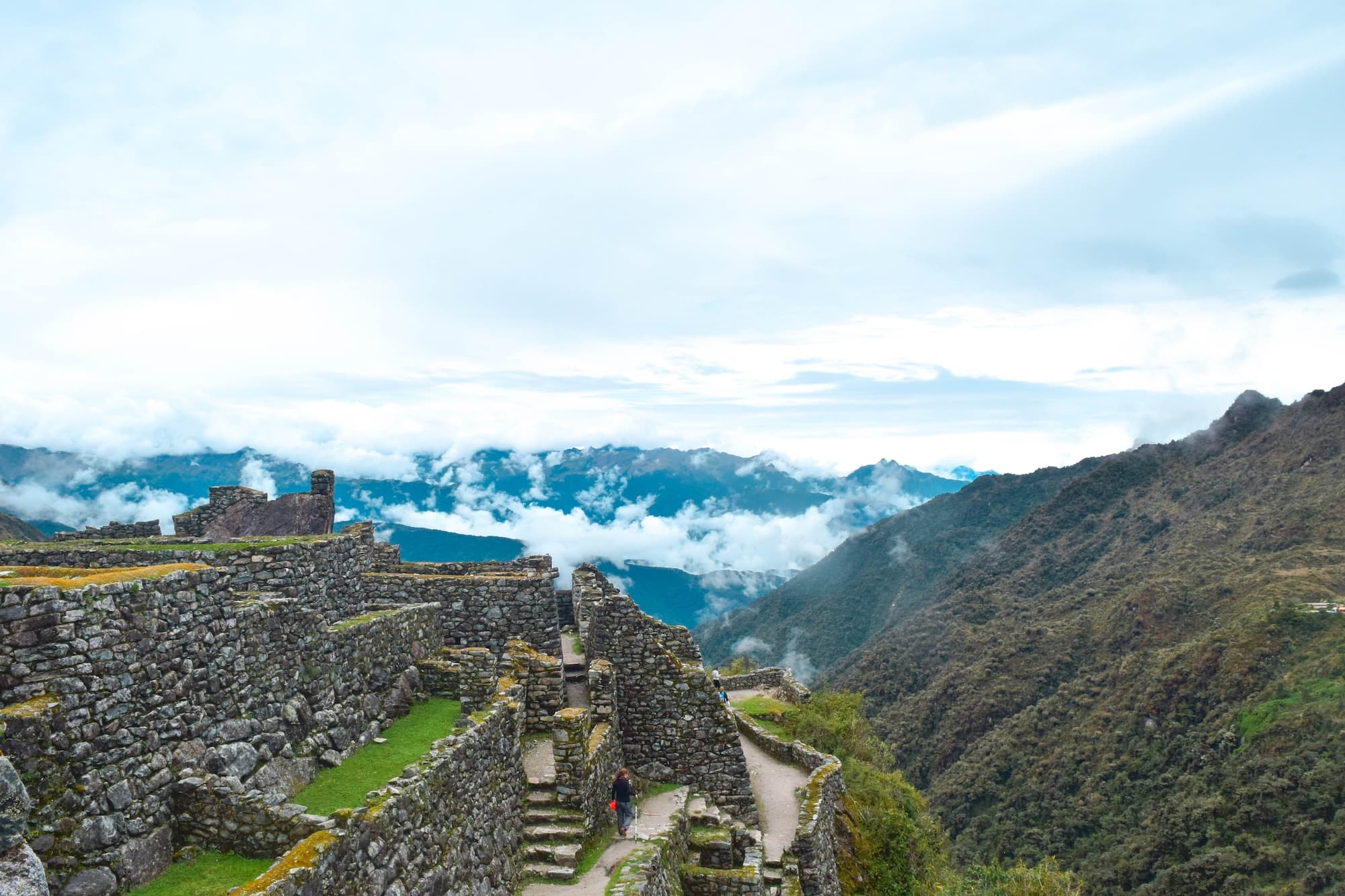
The Inca Trail — a stunning, difficult four-day hike to the sacred city of Machu Picchu. It's a mental and physical challenge as much as a spiritual one, and it stays with you long after you're home. My trip was with G Adventures, a genuinely great experience — read the full story here and here. I'd never done multi-day hiking before, so this was entirely new territory.
What's Included on a G Adventures Inca Trail Trek
The G Adventures Inca Trail trek was fantastic. Booking with them covers all your meals on the trail — they even arranged gluten-free meals for me. You also get a porter who carries up to 6kg of your gear, and a tent is provided. Sleeping bag, sleeping pad and trekking poles can be brought yourself or rented beforehand.
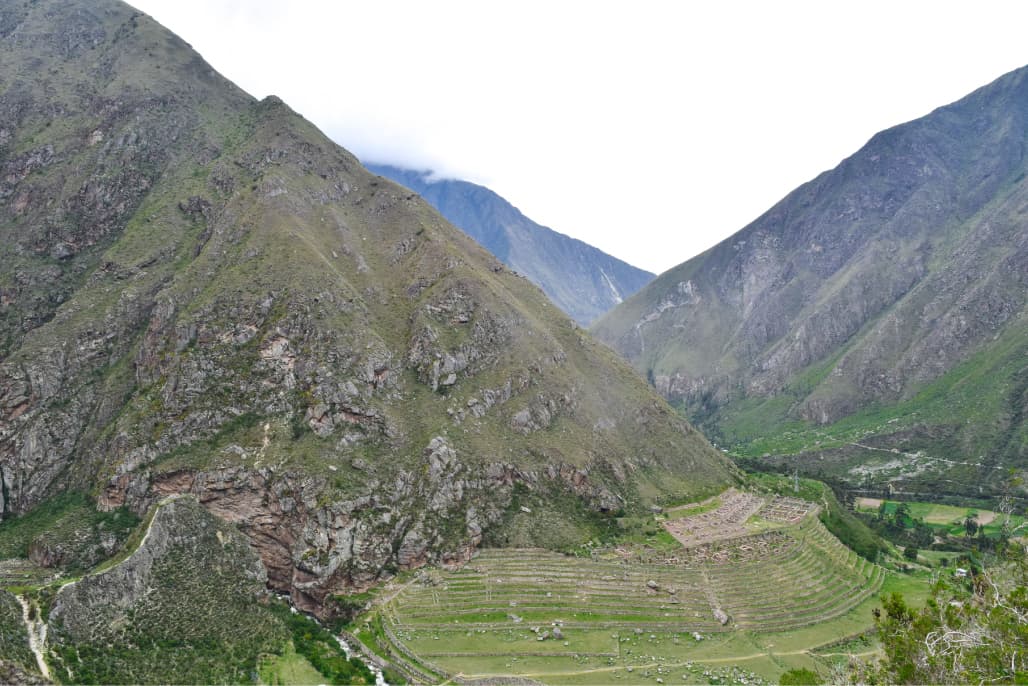
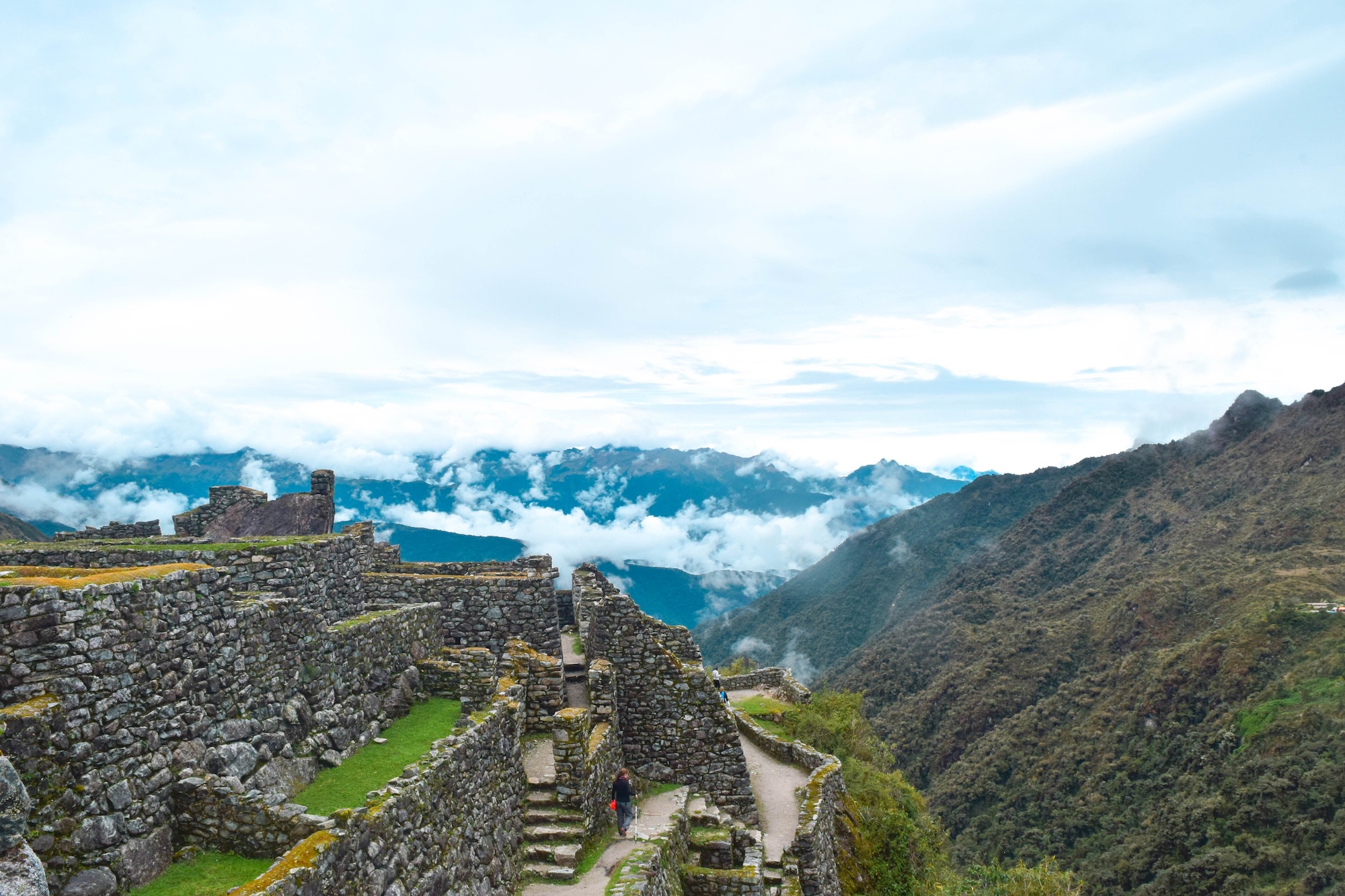 Views along the Inca Trail trek
What to Expect
The Inca Trail is genuinely gruelling, but visitors of all ages from all over the world hike it every year. Day two is generally the toughest — it's when you reach the highest altitude on the trek. Hike at your own pace; trying to match faster hikers only makes the altitude harder on your body. Buy coca leaves in Cusco before you go — they genuinely help with altitude sickness. Bring extra cash too, as there are vendors selling snacks all the way up the mountain.
If you have any knee concerns, use a knee brace or trekking poles — the stone stairs are tough, particularly downhill. Expect rain at some point, and expect the evenings to get properly cold as you climb.
Altitude Tip
Buy coca leaves in Cusco before starting the trek — they're widely used locally to combat altitude sickness and genuinely help. Pace yourself on Day 2 especially; it's not a race.
What to Pack
If the Inca Trail is part of a bigger South America itinerary, you can leave excess luggage in Ollantaytambo and collect it after the hike. What you actually need is a comfortable day pack you can carry for around 8 hours a day, holding what you need during the hike — rain gear, camera — while anything you don't need until camp goes in the porter bag.
Free Download
Free Inca Trail Packing List
Tested on the classic 4-day trek to Machu Picchu.
G Adventures Inca Trail Packing List
Hiking boots are worth splurging on — a decent waterproof pair matters more than almost anything else on this list. Do not attempt this hike in sneakers; wet toes lead to blisters, and blisters make the whole trek miserable. For bottoms, I brought three pairs of 3/4 length gym leggings, wore two, and could've managed with one — zip-off hiking pants are also great for the changing conditions across four days. Four tops (vests or short sleeve tees) meant a clean dry shirt each morning, genuinely a small luxury especially after a rainy day when nothing else dries, plus a long sleeve shirt for chilly evenings that doubled as sleepwear.
- Waterproof hiking boots → — splurge here, wet feet ruin the whole trek
- Zip-off hiking pants → — flexible across the changing daily conditions
Underwear and hiking socks matter more than people expect — one pair of underwear per day, 2-4 sports bras, and 2-3 pairs of genuinely good quality warm hiking socks. A hoodie or sweatshirt was essential for evenings at camp and early mornings before the sun was fully up, and a proper rain jacket is non-negotiable — it rained a lot on my January trek and a good one made the difference between miserable and manageable.
- Men's hiking socks → · Women's hiking socks → — good quality matters over four days
- Rain jacket → — genuinely essential, not optional, for the Peruvian rainy season
A hat or beanie covered sun protection during the day and warmth in the evening, and a bandana turned out to be one of the great multipurpose items on the whole trek — wet it in a stream for a cool neck on hot days, use it to cushion your shoulders under the pack straps, or as an emergency substitute if you run out of toilet paper. A scarf covered the occasional very cold night, and slippers for camp were genuinely one of life's great pleasures at the end of a long day — just avoid anything too thin, since the bathrooms aren't the cleanest to walk to barefoot-adjacent.
One night on our trek was extremely cold, colder than we'd planned for, and a lightweight packable jacket was worth the small extra weight for that single night we were very glad to have it.
- Packable jacket → — for the one unexpectedly cold night that catches most people off guard
Your day pack needs to be genuinely comfortable for long hours on your back — I used my Osprey Sirrus 36L, though something slightly smaller would work well too if you only need it for the day-hike essentials rather than anything more. A reusable water bottle made sense given purified water is available at campsites, so fill up before leaving each morning rather than relying on bottled water.
- Osprey Sirrus 36 → — my day pack for the whole trek
- Smaller day pack option → — if you only need day-hike essentials
Bug spray is worth having on hand — the bugs can be intense here, and while I got away without much trouble, most of the group relied on it regularly. A basic first aid kit covering plasters, painkillers, allergy medication and nail clippers handles most trail emergencies, and sunblock plus sunglasses matter given how much time you'll spend hiking in strong sun at high altitude.
- Bug spray → — worth having even if you don't end up needing much
- Basic first aid kit → — covers plasters, painkillers, allergy medication
A swimsuit is worth packing if you're staying in Aguas Calientes afterwards, since the hot springs there are genuinely worth the visit. Your passport is required at the trail entrance, and cash covers snacks on the trail plus emergency situations — bring both. Wet wipes and hand sanitiser turned out to be one of the nicest small luxuries after a long hiking day, and toilet paper is essential to bring yourself since the trail toilets don't provide it.
- Eco-friendly wet wipes → — a genuine small luxury after a long day
- Travel toilet paper → — bring your own, the trail toilets don't provide it
A menstrual cup means going hours without needing to change anything, and a GoGirl works well given the squat toilets along the trail. If you're reducing plastic use, bamboo toothbrushes and organic toothpaste tablets are worth the switch for a trip like this. A flashlight or headlamp is essential — bring two if possible, since there's no lighting on the trail or at the campsites, particularly for night bathroom trips. A portable power pack keeps devices charged across the four days, and a camera — obviously — with at least two spare batteries, since you don't want to run out with Machu Picchu still ahead of you.
- Menstrual cup → — genuinely the best option for a multi-day trek
- Bamboo toothbrush → and organic toothpaste tablets → — for reducing plastic on the trail
- Headlamp → — essential for night bathroom trips, bring two if you can
- Power bank → — keeps everything charged across four days
- Camera → — bring at least two batteries
What to Pack in Your Day Pack
Rain jacket, hoodie, hat and bandana, water bottle, bug spray, first aid kit, sunblock, cash and passport, toilet paper, menstrual cup or GoGirl, and your camera. Everything else goes in the porter bag rather than what you're carrying on your back for eight hours a day.
Now you're ready for the hike to Machu Picchu. Good luck, and enjoy every step of it.
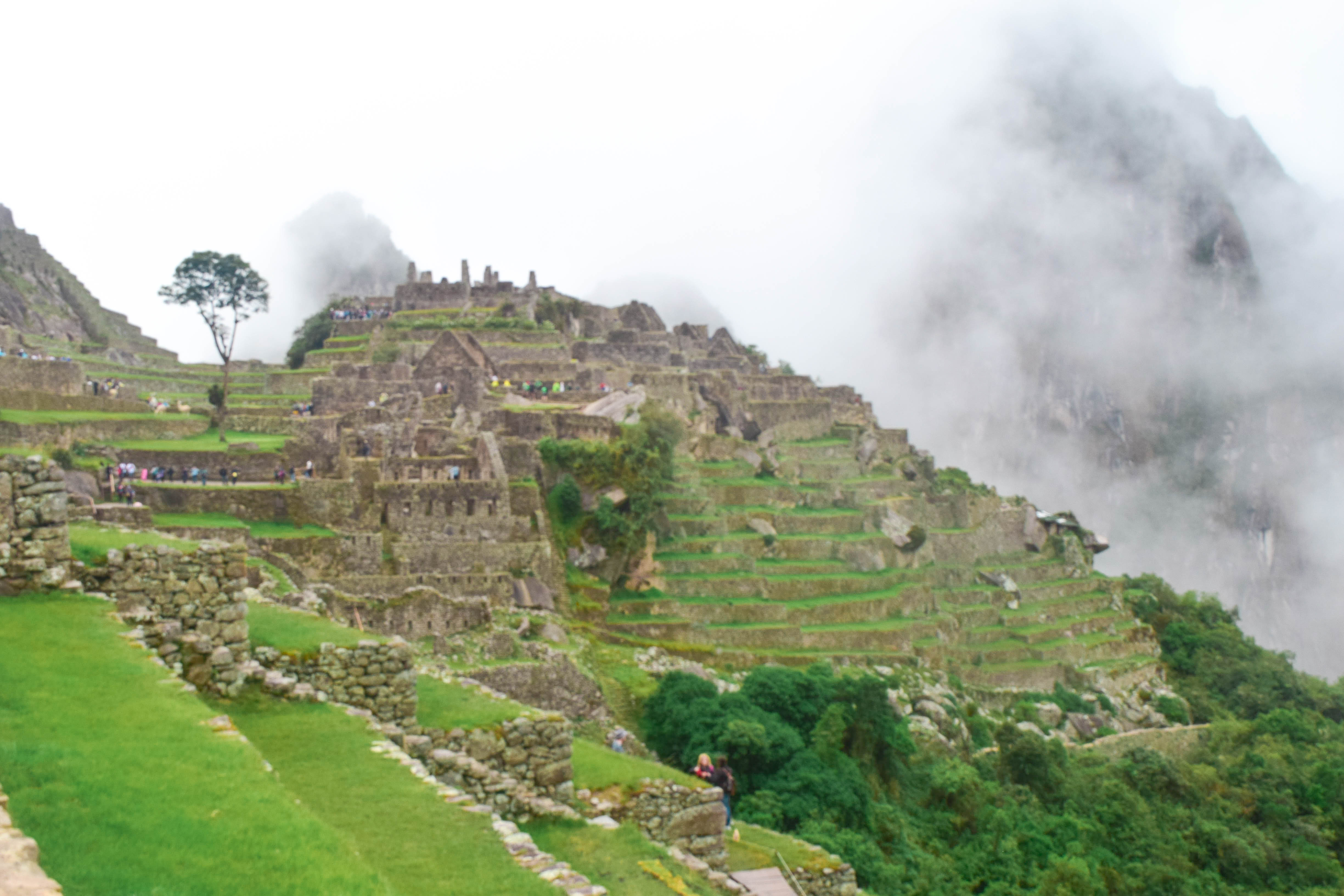 Hiking to Machu Picchu on the Inca Trail
Free Download
Free Inca Trail Packing List
Tested on the classic 4-day trek to Machu Picchu.
Related Posts
- Hiking the Inca Trail with G Adventures — Part 1
- Hiking the Inca Trail with G Adventures — Part 2
- Osprey Sirrus 36 Review
Frequently Asked Questions
G Adventures covers all meals on the trail, including special dietary requirements like gluten-free, and provides a porter who carries up to 6kg of your gear plus a tent. Sleeping bags, sleeping pads and trekking poles can be brought yourself or rented before the trek.
Build your trip plan as you read
Use the free Wandering Bajans trip planner to build your itinerary, packing list and budget as you go.
Open the Trip Planner →