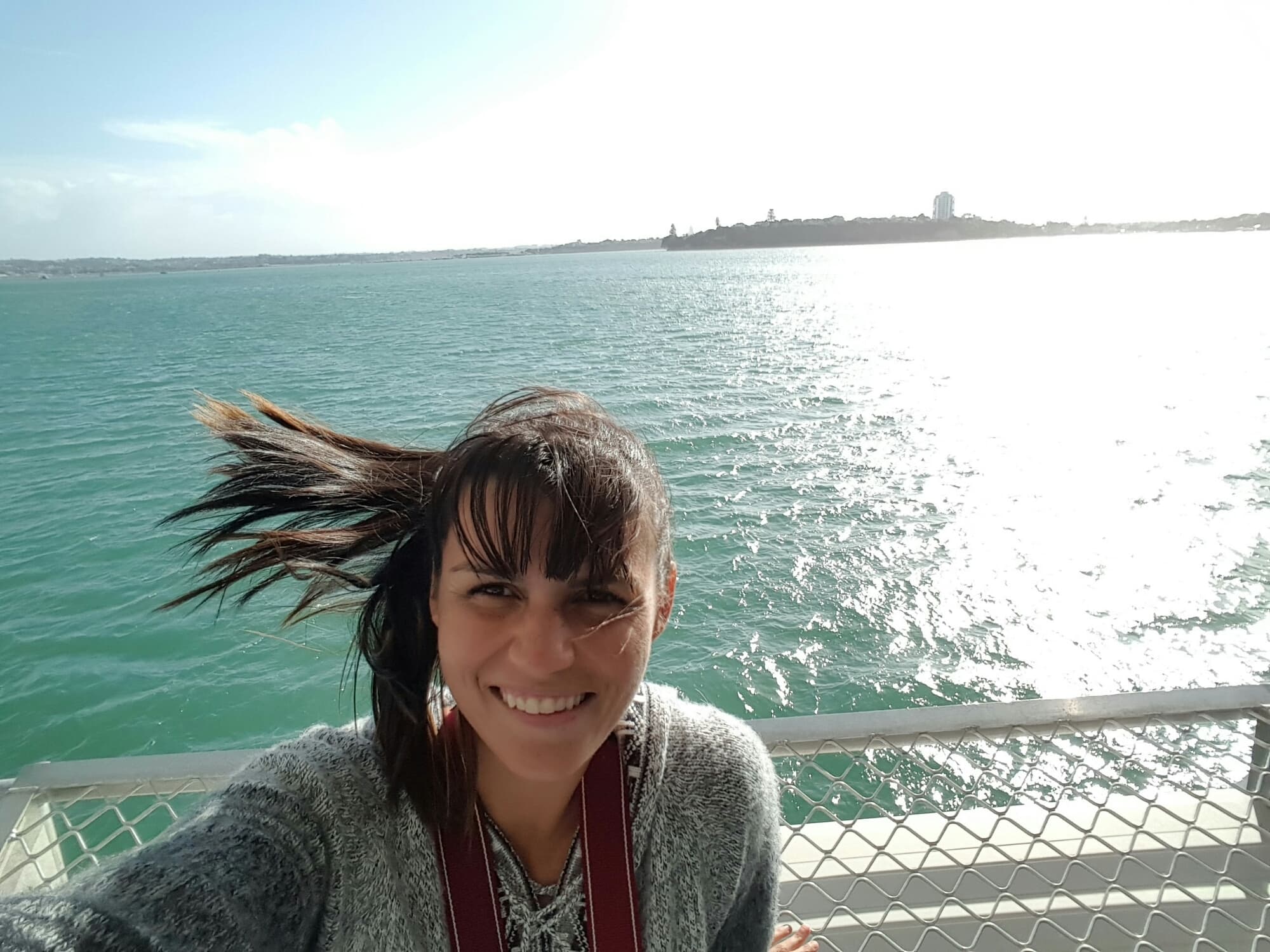
The plane broke through the rain clouds somewhere over the Tasman Sea and Auckland appeared below — grey, wet and not exactly the sun-drenched welcome I had imagined after 48 hours of travel. My flight landed at 7am on the 21st May. I had been in the air since 7am on the 19th. I was running on no sleep, high anticipation and the particular kind of exhausted determination that only long-haul solo travel produces.
I grabbed my backpack — 36 litres for four weeks in New Zealand, which felt either very efficient or deeply optimistic depending on how you looked at it — cleared immigration, hopped on the bus into the city centre and tried to work out what to do with myself until my 5pm bus to Rotorua.
No hostel booked in Auckland. All my outdoor plans rained out before I had even started. Time to find a coffee and improvise.
My Arrival Day: One Day in Auckland on No Sleep
The bus from the airport drops you in the city centre, and from there I wandered with my backpack, slightly dazed, waiting for things to open and for the weather to make a decision. Auckland in May is autumn — cooler than I expected, greyer than I had hoped, but with that particular light quality you get when the clouds are thinking about clearing.
I found coffee. I sat with it for a while. I replanned the day from scratch.
By mid-morning the weather started to shift, and I did what any sensible person does when they arrive in Auckland with time to fill — I bought a ticket for a harbour cruise.
Auckland Harbour Cruise
Best decision of the day. The harbour cruise took me out across the Waitemata Harbour with views of the city skyline, under the Auckland Harbour Bridge and out toward Rangitoto Island — the young volcanic cone that sits in the middle of the harbour like it owns the place, which in geological terms it essentially does. I felt like I saw more of Auckland from the water in two hours than I would have managed on foot all day.
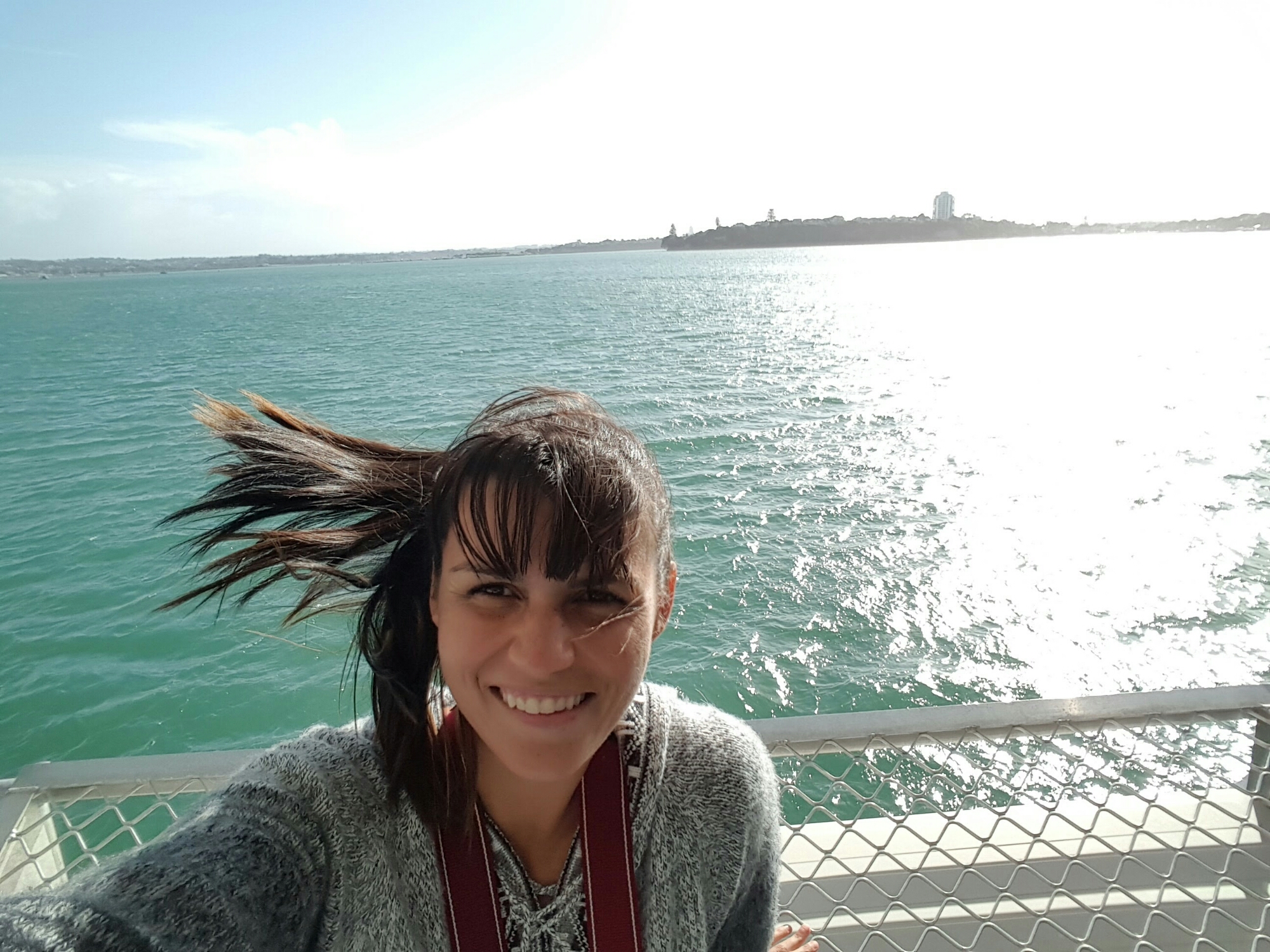 Auckland Harbour from the cruise
The weather held beautifully for most of the cruise, then, with characteristic Auckland timing, turned completely as we headed back in from Rangitoto. My photographs of the Harbour Bridge are atmospheric rather than sun-drenched. This is Auckland. You take what it gives you, and it's still spectacular.
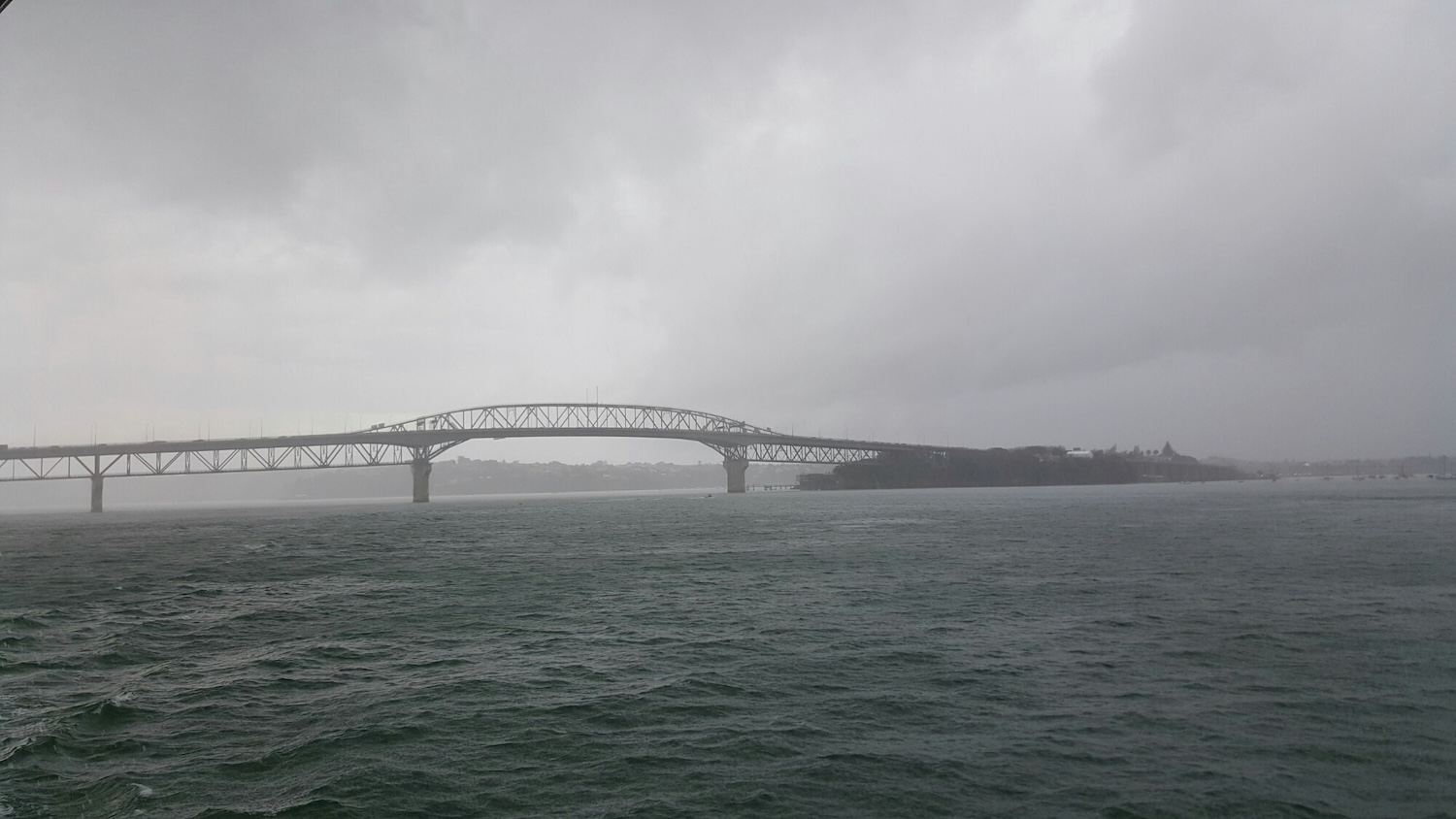 Auckland Harbour Bridge on a gloomy day
By the afternoon the cold and damp had caught up with me, and I was genuinely ready for the bus south. I collected my bag, found my bus stop and headed to Rotorua — tired, a little cold, already glad I had come.
Arrival Day Tip
If you're arriving into Auckland on a long-haul flight and continuing south the same day, book your onward transport in advance. The harbour cruise is the perfect way to fill a few hours between arrival and departure — it covers a lot of ground efficiently and gives you a genuine sense of the city from the water. Most cruise operators run multiple departures throughout the morning.
Free Download
Free New Zealand Road Trip Packing List
4 weeks around Aotearoa — what actually fits in the car.
Getting to Know Auckland
Auckland is New Zealand's largest city — home to around a third of the country's entire population — and the main international gateway into the country. It sits on a narrow isthmus between two harbours, the Waitemata to the east and the Manukau to the west, which gives it its sailing culture and its nickname: the City of Sails. On a clear day the harbour views from almost any elevated point in the city are extraordinary.
The city is built across 53 volcanic cones — dormant, but a reminder that this is still a geologically active part of the world. Several are now public parks, and the views from the top are among the best free activities in Auckland. One Tree Hill, Mount Eden and Rangitoto Island are the most visited.
Auckland has a reputation among New Zealanders from other cities as being expensive and a bit full of itself — the kind of thing smaller cities always say about the big one. It is, in fact, a genuinely interesting, multicultural and well-fed city with a strong waterfront scene, good café culture, and enough to fill several days if you give it the time.
The Best Things to Do in Auckland
For the full activity guide, read our dedicated post: Things to Do in Auckland. Here are the highlights:
Harbour cruise — the best introduction to the city. Get out on the water early; the morning light on the harbour is extraordinary and you cover far more ground than on foot.
Sky Tower — Auckland's most iconic landmark, 328 metres of concrete tower with a viewing platform and the option to do a SkyWalk or SkyJump around and off the outside. Views on a clear day stretch to the Coromandel Peninsula.
Mount Eden — the highest volcanic cone in Auckland at 196 metres, with 360-degree views over the city, both harbours and out to the Hauraki Gulf islands. Free, walkable from the city, worth every step.
Rangitoto Island — a 600-year-old volcanic island in the Waitemata Harbour, a 25-minute ferry from the city. The summit hike takes about two hours return through lava fields and pohutukawa forest.
Viaduct Harbour — the waterfront precinct, good restaurants and bars, and where the America's Cup boats were based.
Waiheke Island — a 35-minute ferry from the CBD and a completely different world of vineyards, beaches and an art scene.
Auckland Museum — set in the Domain, with excellent Māori and Pacific collections alongside natural history and a war memorial.
Karangahape Road (K Road) — independent galleries, vintage shops and excellent cafés, best walked on a Saturday morning.
Auckland Weather Tip
Auckland weather is famously changeable — four seasons in one day is not an exaggeration, it's a local saying for good reason. Always pack a waterproof layer and don't cancel outdoor plans because of a grey morning. The city often clears by mid-morning.
Getting To and Around Auckland
From the airport: Auckland Airport is about 21km south of the city centre. The SkyBus runs 24 hours a day between the airport and the city, around 45 minutes depending on traffic. Taxis and rideshare are also available.
Getting around the city: The city centre is walkable for the main waterfront and CBD attractions. Buses and trains cover the wider suburbs — the AT HOP card is the local transport card, load it up on arrival for discounted fares across buses, trains and ferries. Ferries run from the downtown ferry terminal to Devonport, Waiheke Island and Rangitoto.
Onwards from Auckland: Buses run to Rotorua (3 hours), Hamilton and beyond. Domestic flights connect to Wellington, Christchurch and Queenstown. The classic North Island loop runs Auckland → Rotorua → Wellington before crossing to the South Island by ferry.
Practical Information
Airport to city: SkyBus, 24 hours, around 45 minutes. The most straightforward option.
Transport card: AT HOP Card — load on arrival for discounted fares across buses, trains and ferries.
Weather: Changeable year-round. Warm and humid in summer (Dec-Feb), cooler and wetter in winter (Jun-Aug). Always pack a waterproof.
Best free activity: Mount Eden at sunrise — the best view in the city, completely free.
Day trip: Waiheke Island, 35-minute ferry, vineyards and beaches.
Onwards: Bus to Rotorua, around 3 hours — book in advance.
Free Download
Free New Zealand Road Trip Packing List
4 weeks around Aotearoa — what actually fits in the car.
Related Posts
- The Ultimate New Zealand Travel Guide — 4 Weeks Around Aotearoa
- Things to Do in Auckland
- Rotorua — Geothermal Wonders and Māori Culture
Frequently Asked Questions
There's no direct route, so expect around 48 hours of total travel time including layovers and connections. It's a genuinely long journey, so plan for a low-key arrival day and don't schedule anything demanding for your first few hours in New Zealand.
Build your trip plan as you read
Use the free Wandering Bajans trip planner to build your itinerary, packing list and budget as you go.
Open the Trip Planner →