The drive from the Eastern Fjords took about two and a half hours and suddenly we started seeing signs to things that sounded extraordinary. North Iceland was going to be completely different from anything we had seen so far on our 12-day ring road trip.
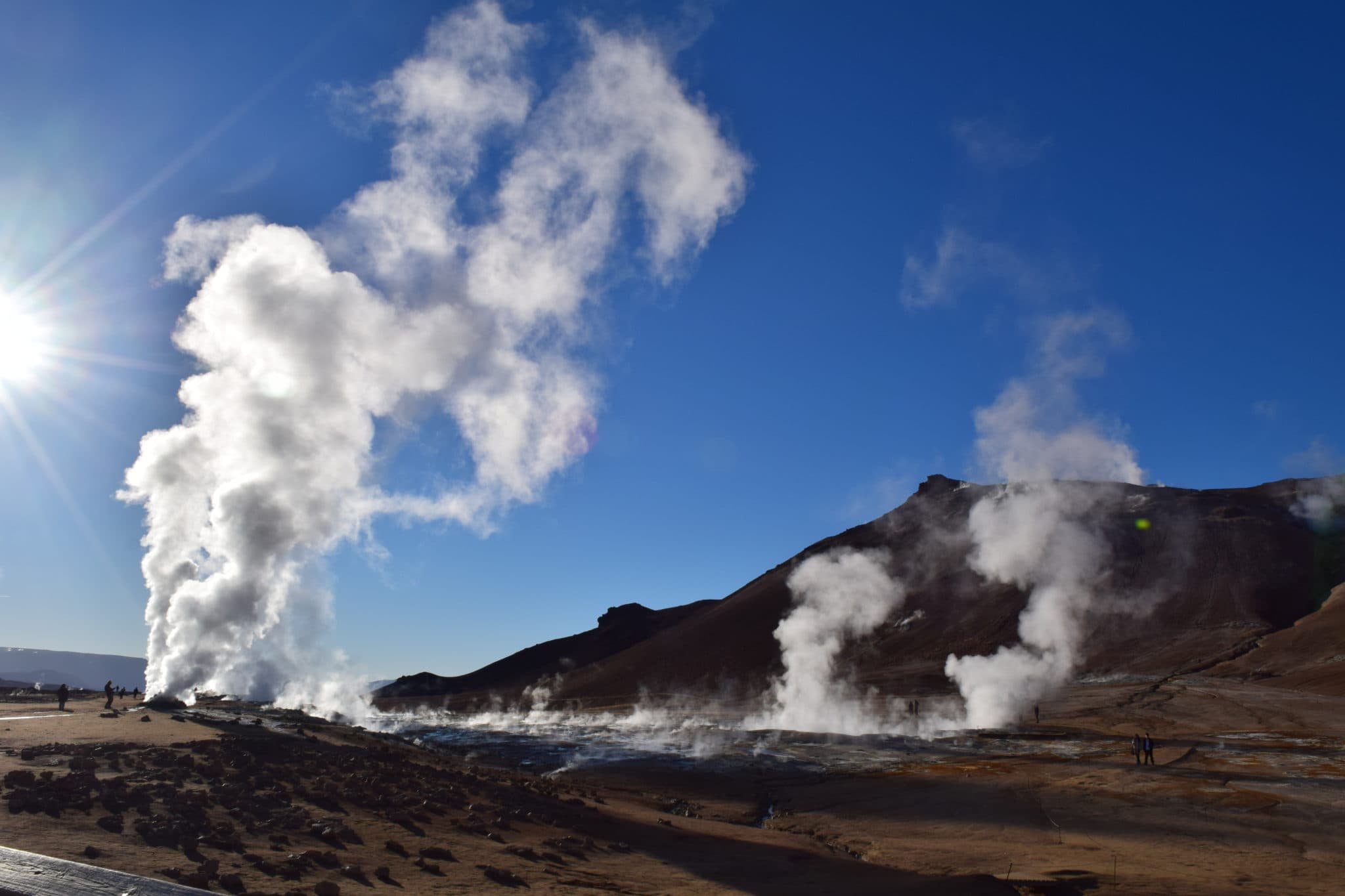
The Mývatn area is one of the most geothermally active regions in Iceland. Steam comes out of the ground from everywhere — sulphur vents, boiling mud pots, volcanic craters. It reminded us of Rotorua in New Zealand except the scale of the volcanic activity here is something else entirely.
The Mývatn Area
Hverir — Geothermal Vents
Our first stop was at Hverir below the volcanic mountain of Námafjall. The car park was busy so we stopped to investigate. Extraordinary — boiling mud pots, sulphur vents with bright yellow deposits around the edges, steam rising from the ground at every angle.
The sulphur smell was horrendous. After a good wander around we headed back to the car.
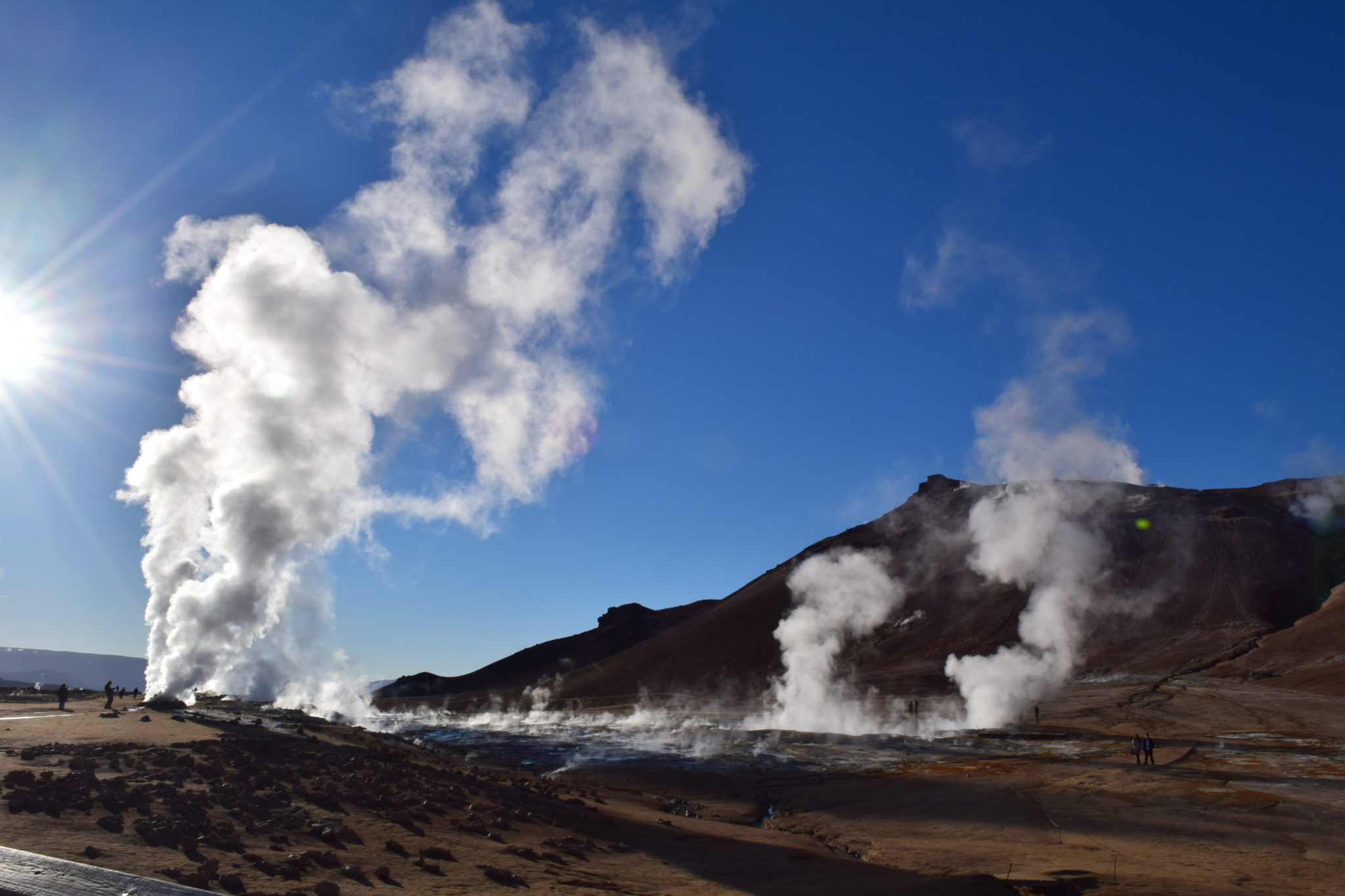 Hverir geothermal area on a beautiful clear day
Krafla Volcano
Having missed Kerið crater on the Golden Circle day, I was determined to see Krafla. It is a caldera 800 metres high and 2km in depth, active enough that it has been used as a geothermal energy source since 1977.
Standing on the edge of an active volcano is a surreal experience. The crater is a different colour from everything around it — vivid blues and greens from mineral deposits, steam rising from the floor.
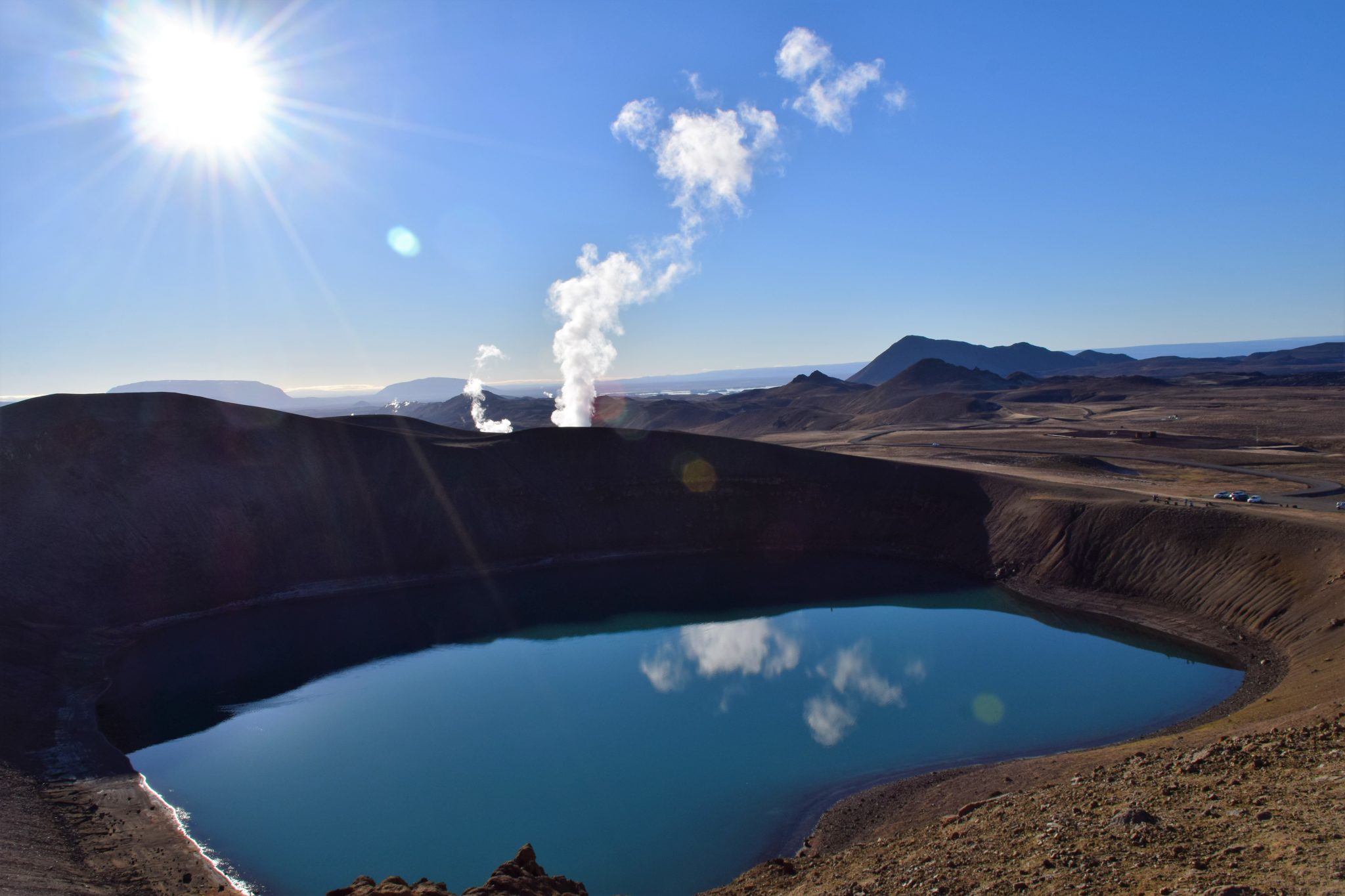 Krafla crater from the rim
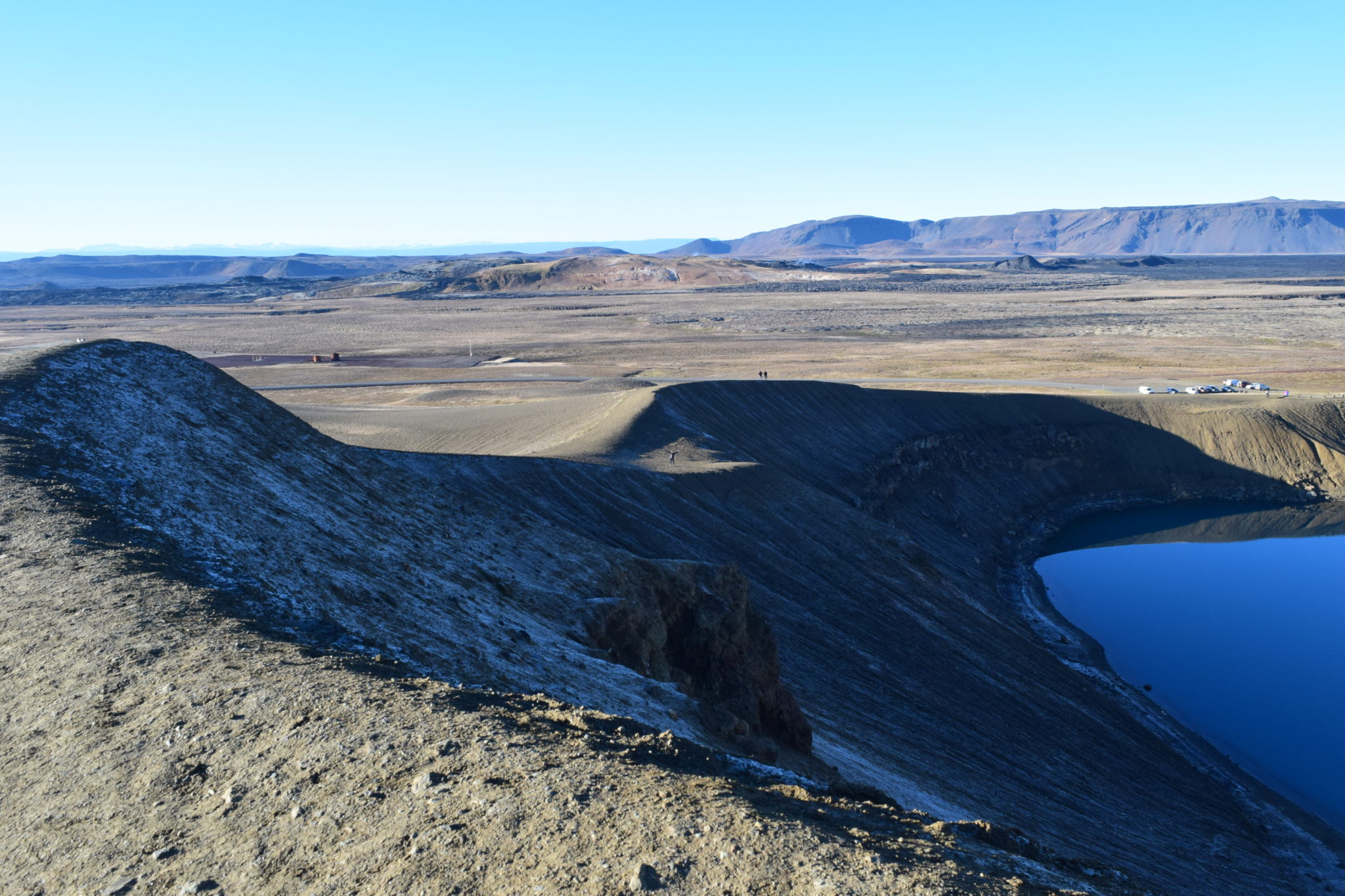 Standing in the middle of Krafla crater — that tiny figure is me
Mývatn Nature Baths
The Mývatn Nature Baths were the birthday treat for the day. A geothermal pool complex set above Lake Mývatn with views across the water and the surrounding volcanic landscape.
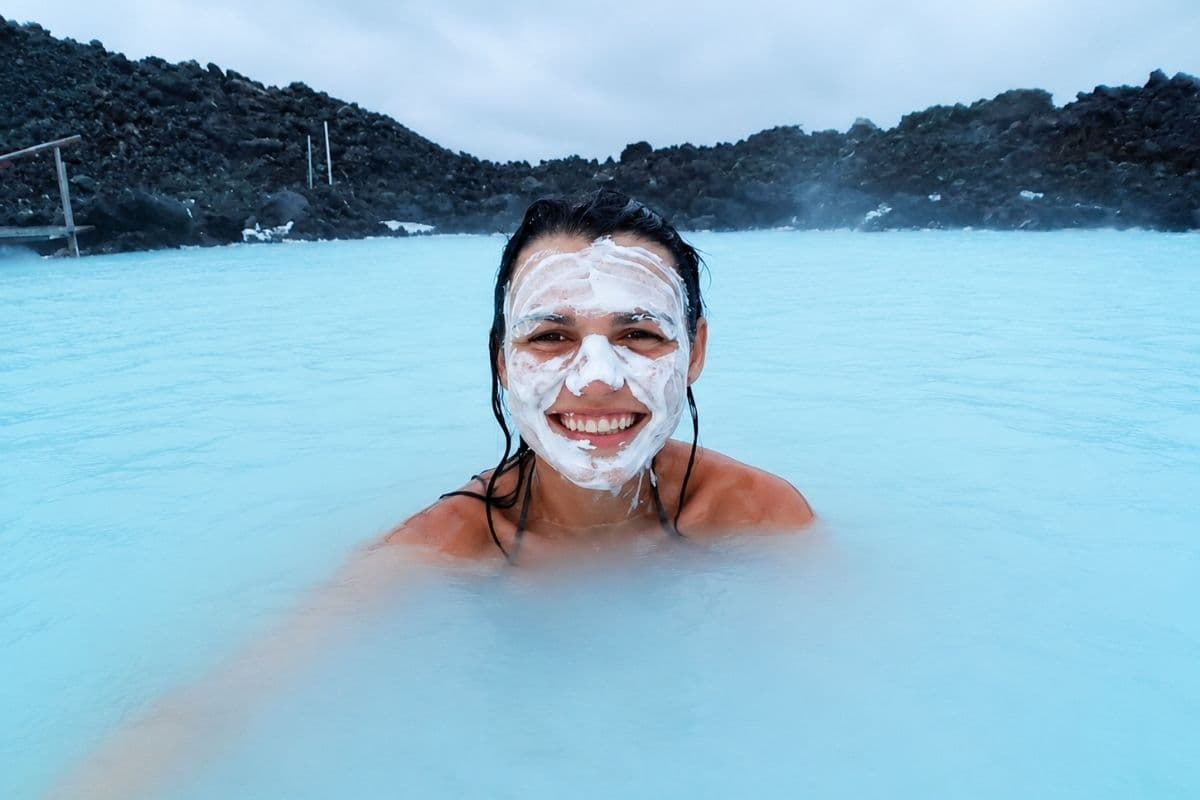
The water is hotter than the Blue Lagoon. We spent about an hour and a half going from the hot pool to the slightly cooler one, sitting in little nooks watching the steam rise off the lake. After days in the campervan the proper showers afterwards were an extraordinary luxury.
Mývatn vs Blue Lagoon
If you are choosing between the Mývatn Nature Baths and the Blue Lagoon, choose Mývatn. The water is hotter, the setting is more dramatic, there are far fewer people and it costs significantly less. The Blue Lagoon is spectacular but this is the better experience.
We found an epic campsite at Hlíð Cottages overlooking the lake. Cooked a proper dinner, opened champagne and waited for the Northern Lights.
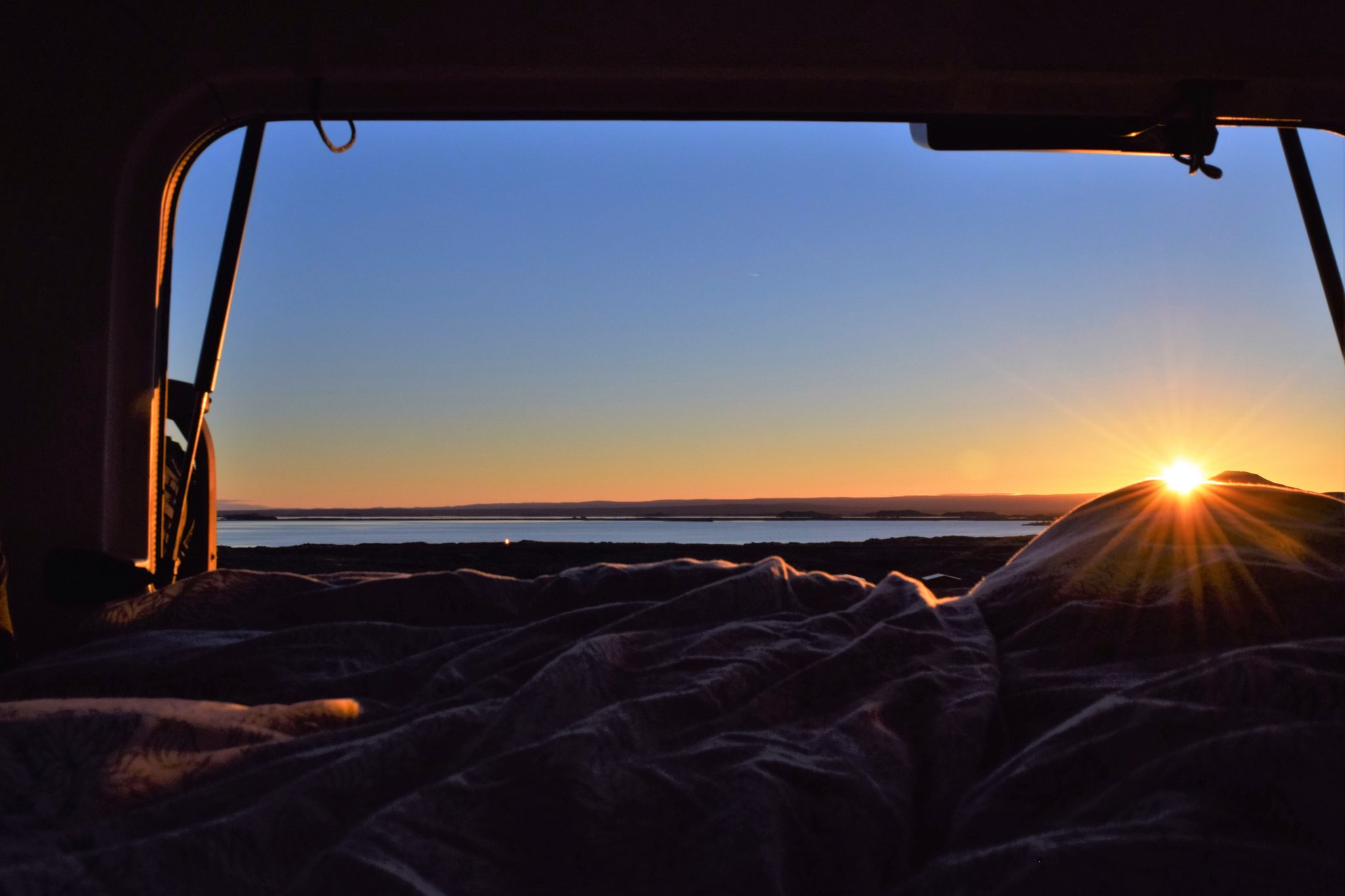 Sunset over Lake Mývatn from the campervan
The Northern Lights Over Lake Mývatn
We sat waiting, watching out the campervan windows. The hours went by. Then they appeared.
I ran outside in a t-shirt and pyjama pants screaming — sorry to anyone camping nearby. Set up the camera and shot as fast as I could. The lights stayed for about 15-20 minutes before disappearing. Our only sighting of the entire trip. Completely magical.
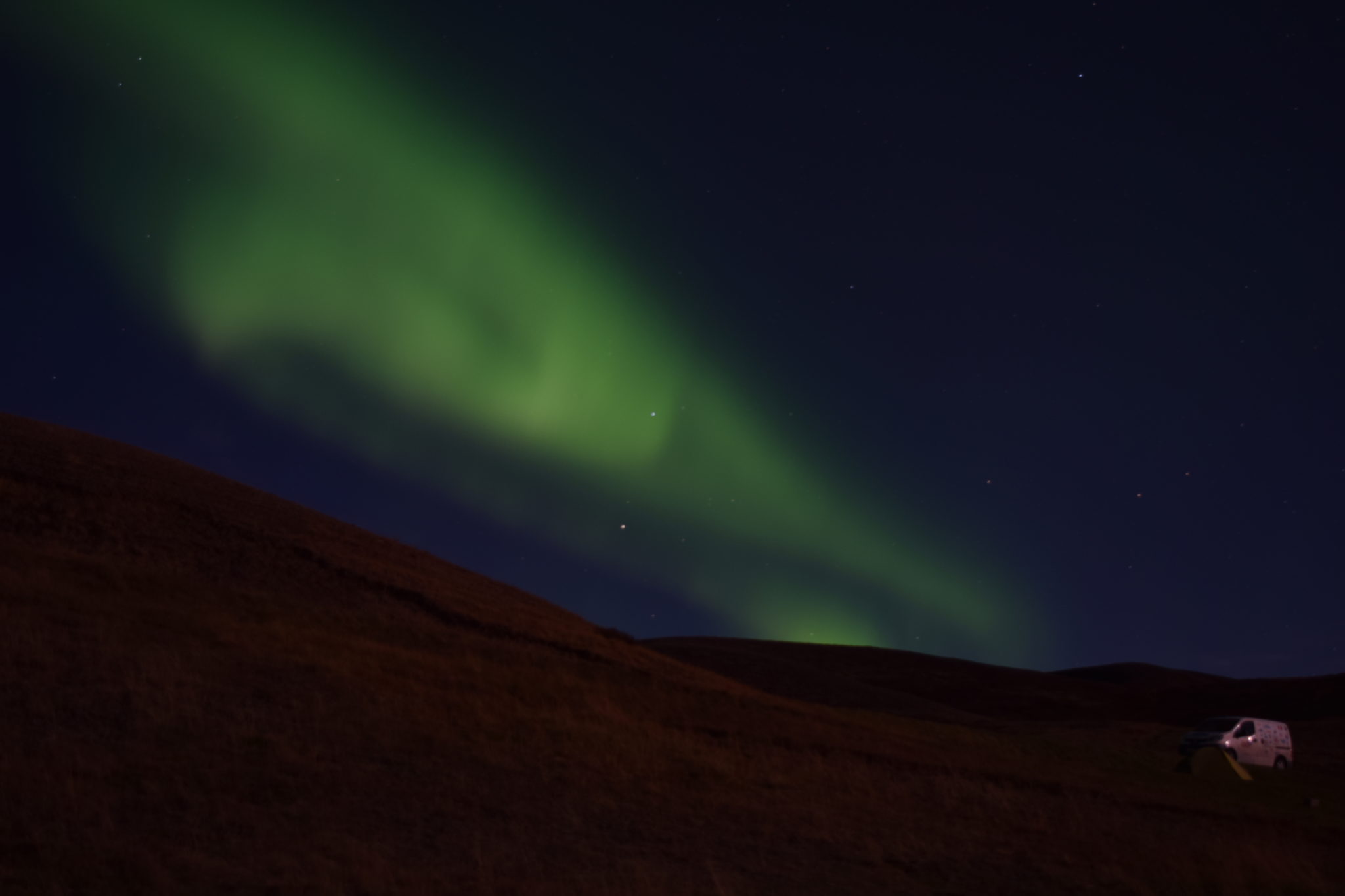 Northern Lights over Lake Mývatn
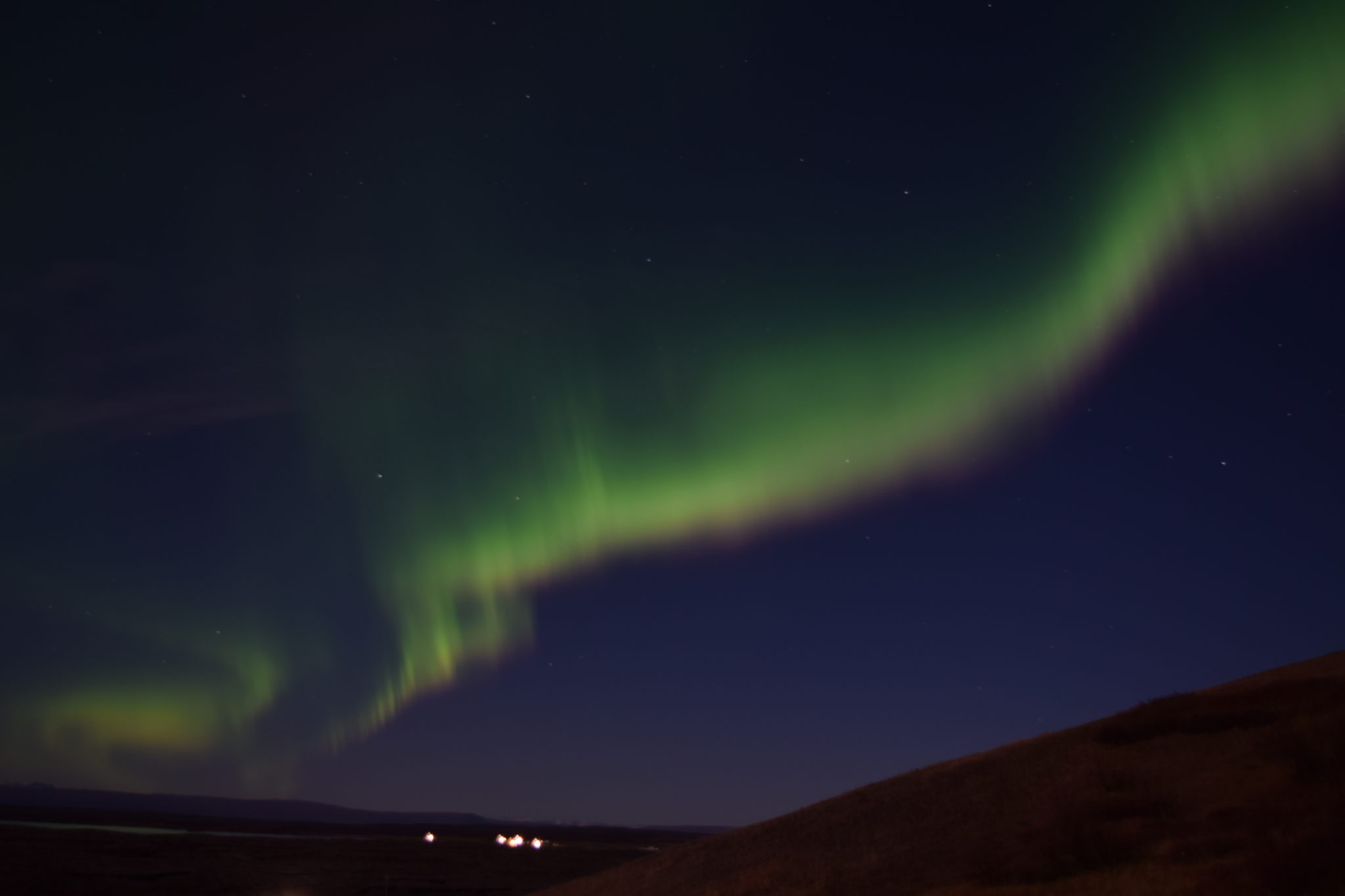 Northern Lights reflecting on Lake Mývatn
The Mývatn area ended up being one of the absolute highlights of the trip — the volcanoes, the Nature Baths, the campsite view and then the Northern Lights appearing on cue. Hard to beat.
Chasing Waterfalls — North Iceland
The next morning was spent chasing the waterfalls of North Iceland. A lot of driving but some of the most extraordinary waterfalls we saw on the entire trip.
Dettifoss
We took road 862 to Dettifoss and arrived at around 9am — just us and one other couple. Then we understood why.
Dettifoss is Europe's most powerful waterfall. The volume of water coming over is staggering. You hear it and feel it through the ground before you see it. The spray creates its own weather system. Standing at the edge on a frosty morning with almost nobody else there was one of the best moments of the entire Iceland trip.
Dettifoss Tip
Take road 862 (western side) — better access and views than the eastern road. Arrive early morning to have it largely to yourself before the tour buses from Húsavík arrive around 10-11am.
Selfoss
A 15-minute walk downstream from Dettifoss. Smaller but the shape is extraordinary — a perfectly horseshoe-shaped waterfall with the sun rising behind it. Do not skip this one to get back to the car.
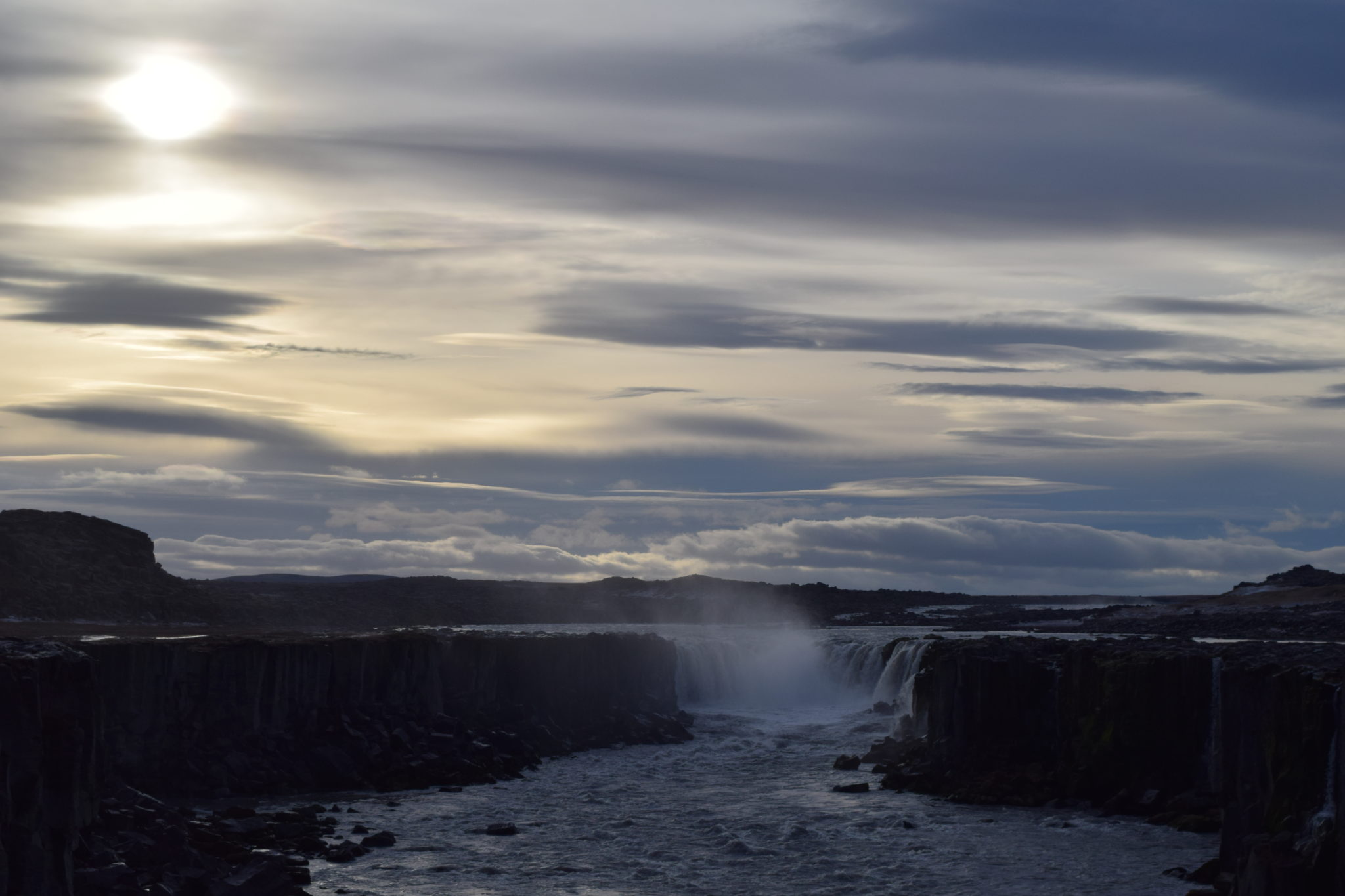 Selfoss waterfall at sunrise
Ásbyrgi Canyon
Road 862 continued as an F-road for another hour until we reached Ásbyrgi — a horseshoe-shaped canyon that according to Norse mythology was formed by the hoofprint of Odin's eight-legged horse Sleipnir. The canyon walls rise 100 metres on three sides and the scale makes you feel genuinely small.
We drove as far into the canyon as we could and then walked. The acoustics inside were extraordinary — the echoes off the walls carry for an extraordinary distance.
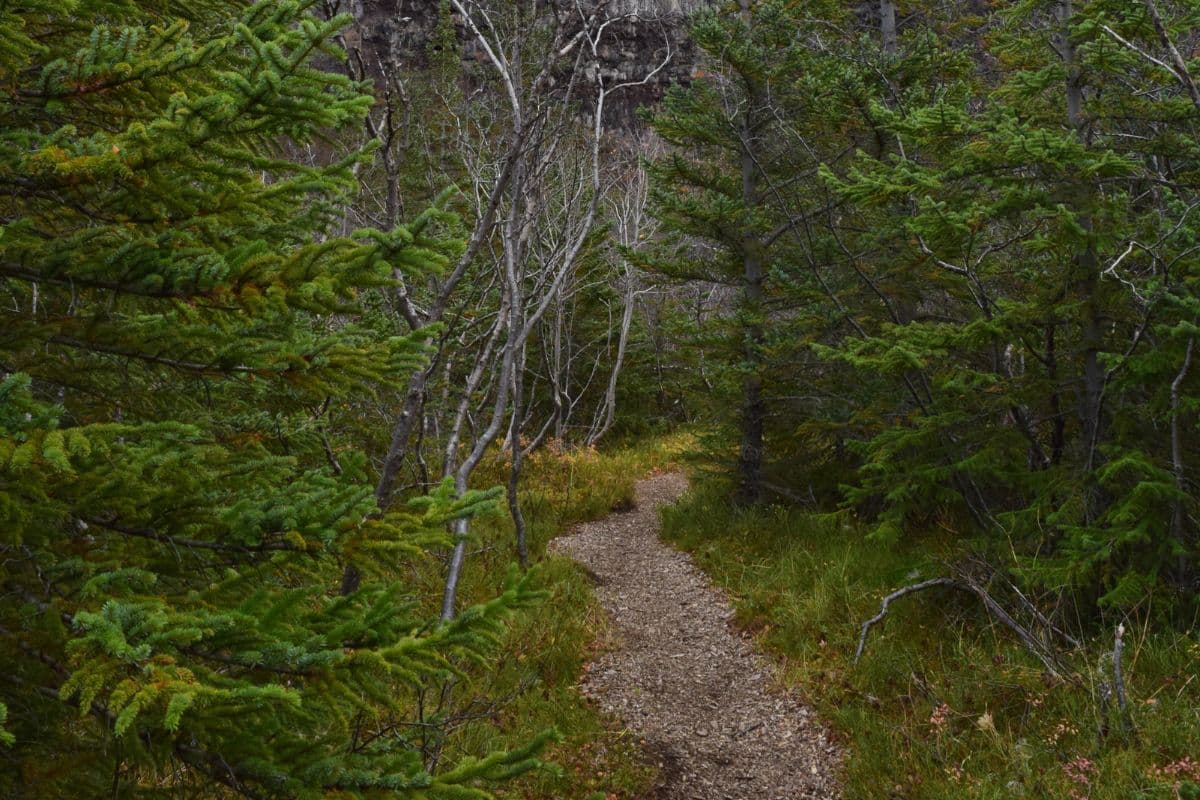
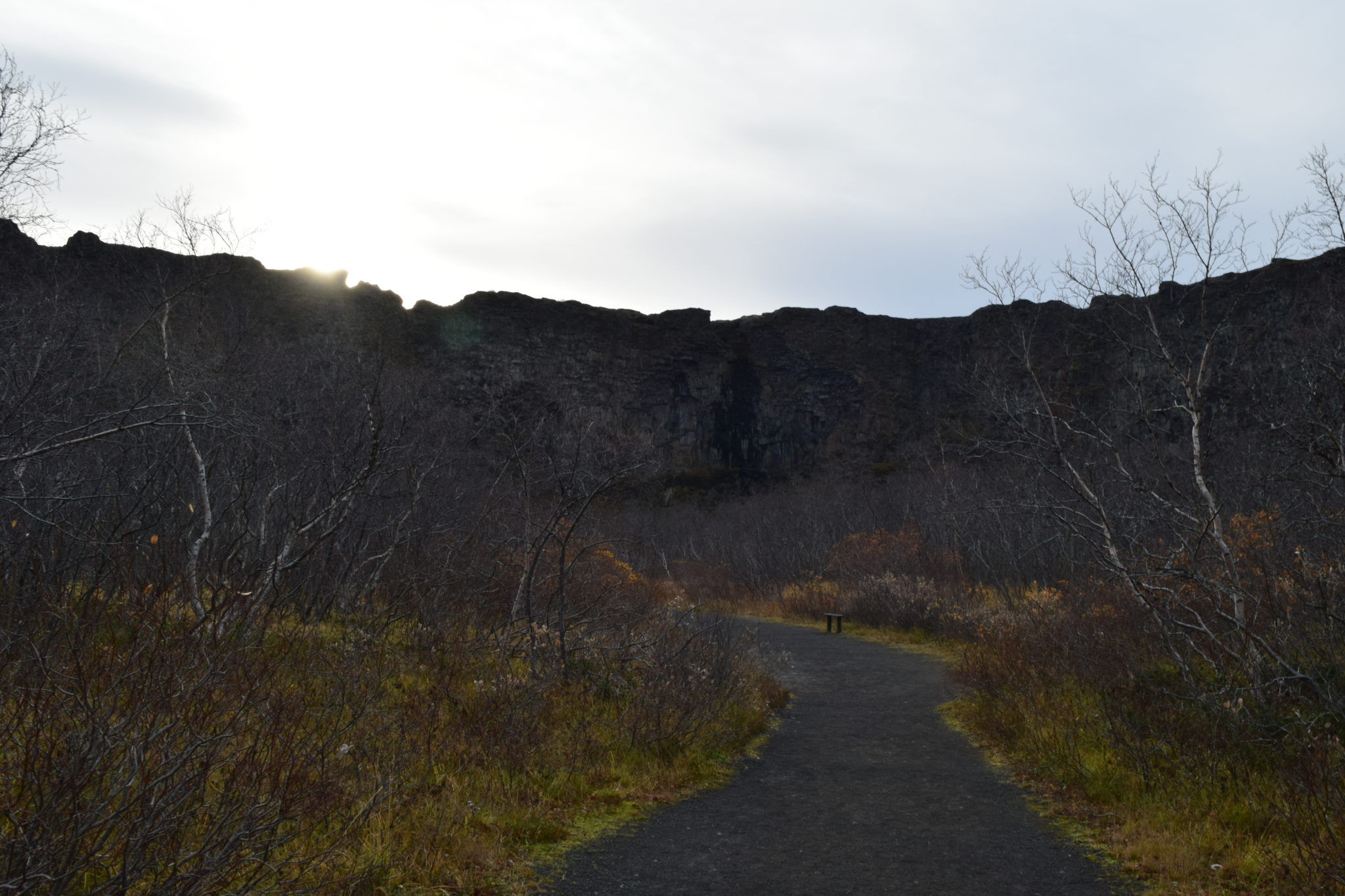 Walking through Ásbyrgi Canyon
Húsavík
A beautiful small town on Skjálfandi Bay. Iceland's whale watching capital — humpback sightings are frequent from spring through autumn. We did not do a tour on this visit but it is on the list for next time. The town itself is charming and worth a brief stop.
Aldeyjarfoss — The Hidden Favourite
After Húsavík we headed south on road 842, which then became F-26 heading into the interior. About 15 minutes' walk from the car park.
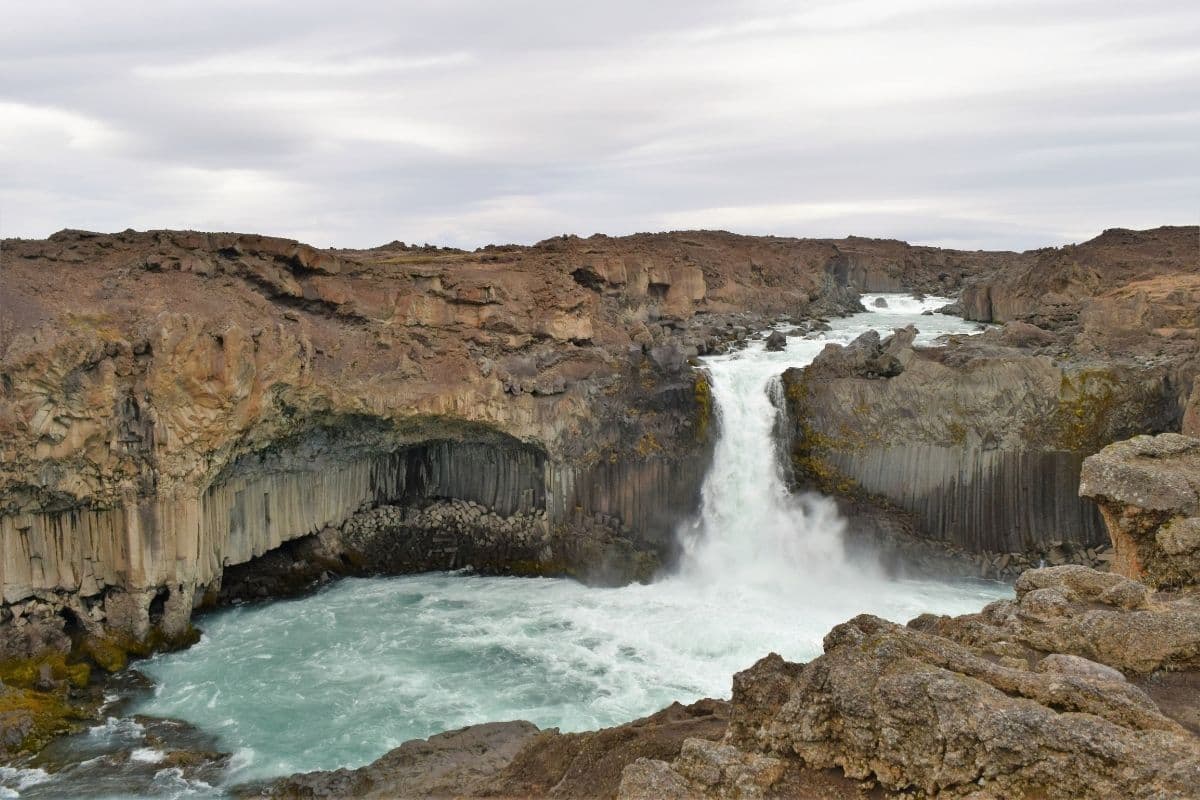
Aldeyjarfoss was my favourite waterfall of the entire Iceland trip. The same hexagonal basalt columns as Svartifoss on the south coast but here the water is an extraordinary electric blue from glacial melt. The contrast of the bright blue water with the dark basalt columns and the remote Highland landscape is unlike anything else.
Almost no tour buses. Almost no people. Just the waterfall.
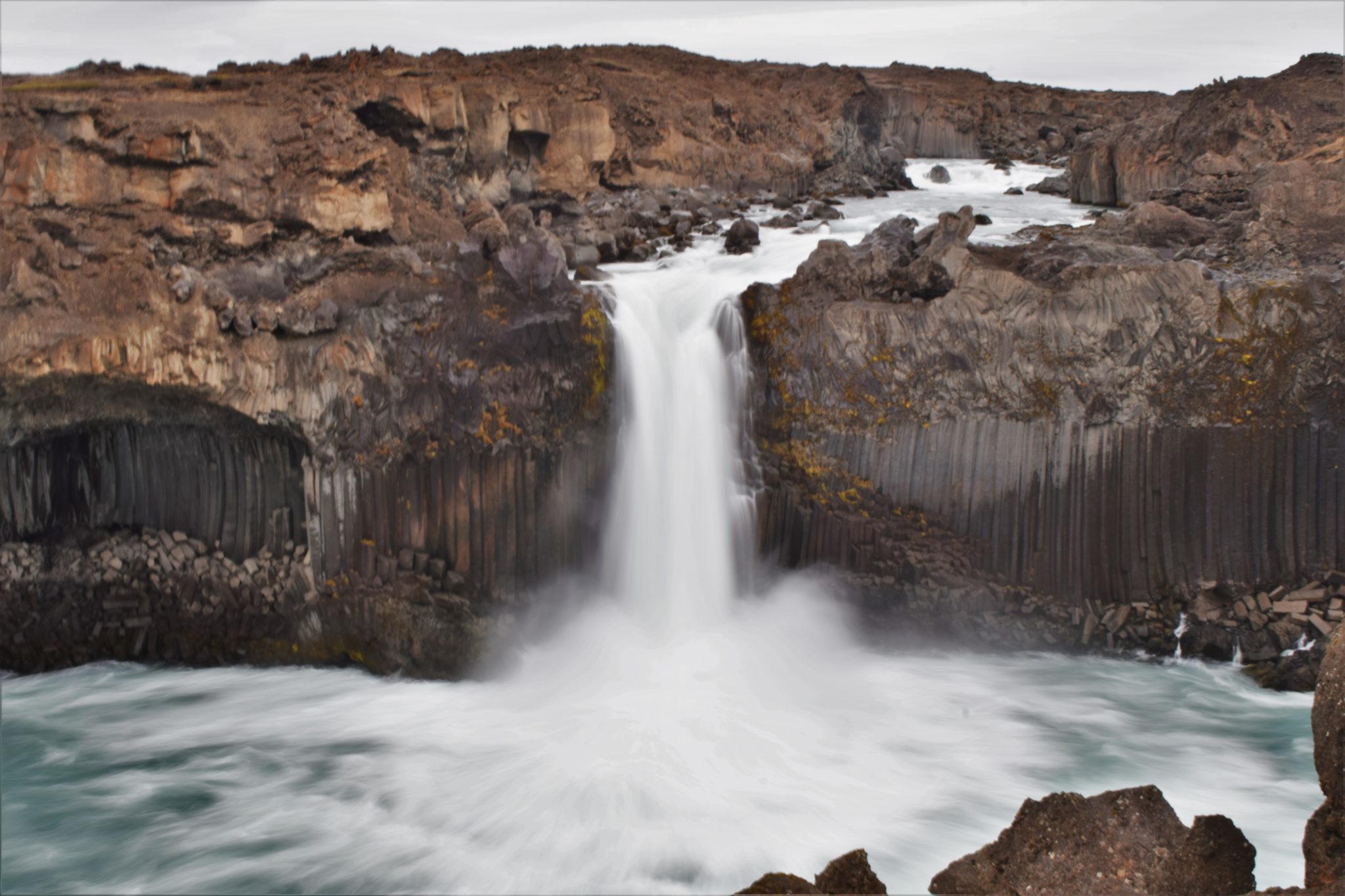 Aldeyjarfoss — the favourite waterfall of the whole trip
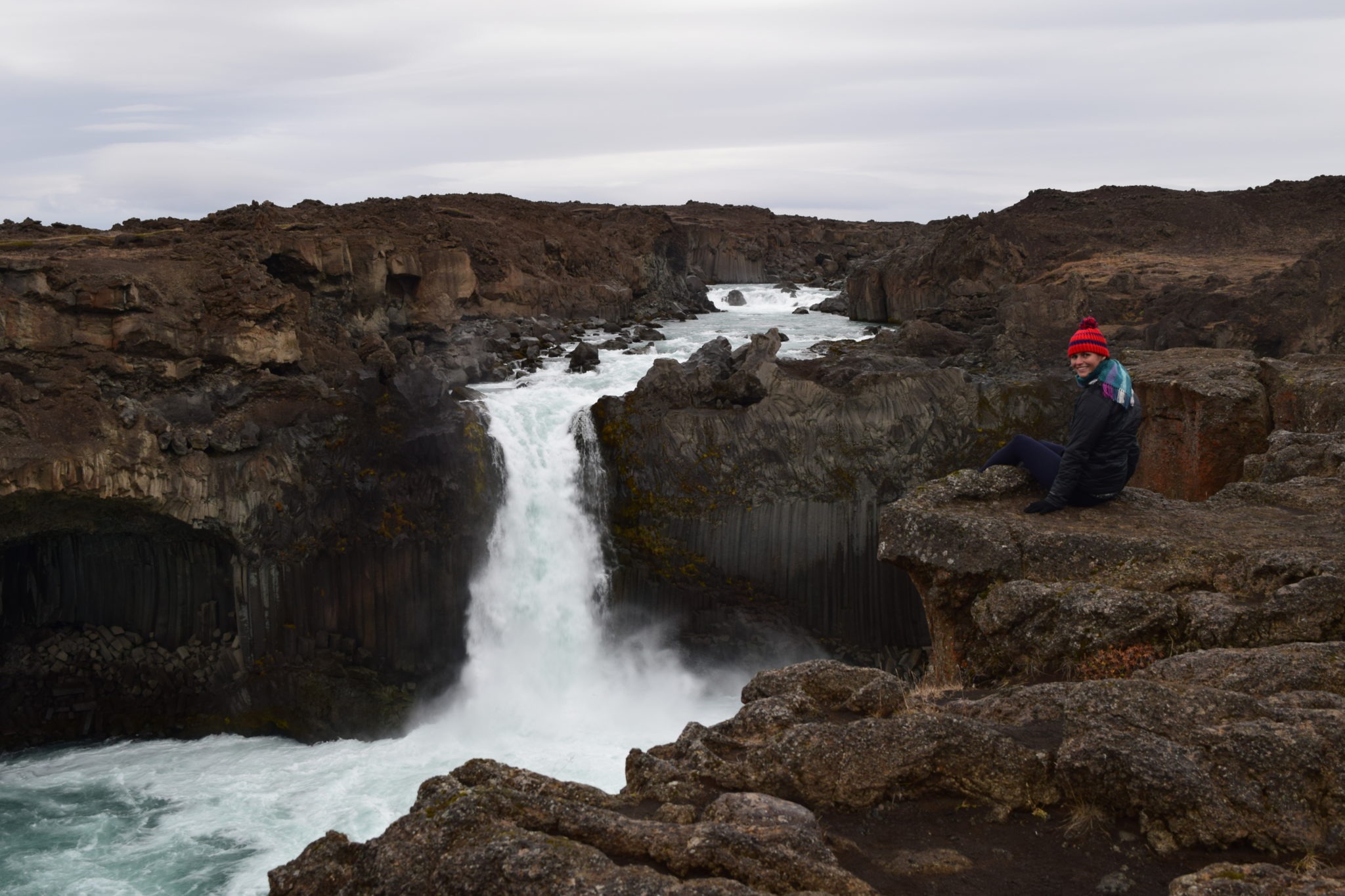 Sitting with Aldeyjarfoss to myself
Goðafoss — The Waterfall of the Gods
Back to Goðafoss before the end of the day. This is the waterfall where a Viking chieftain threw his Norse idols into the water when Iceland converted to Christianity in 1000 AD — hence the name.
Horseshoe shaped, wide and powerful, with the same extraordinary blue water. Genuinely beautiful.
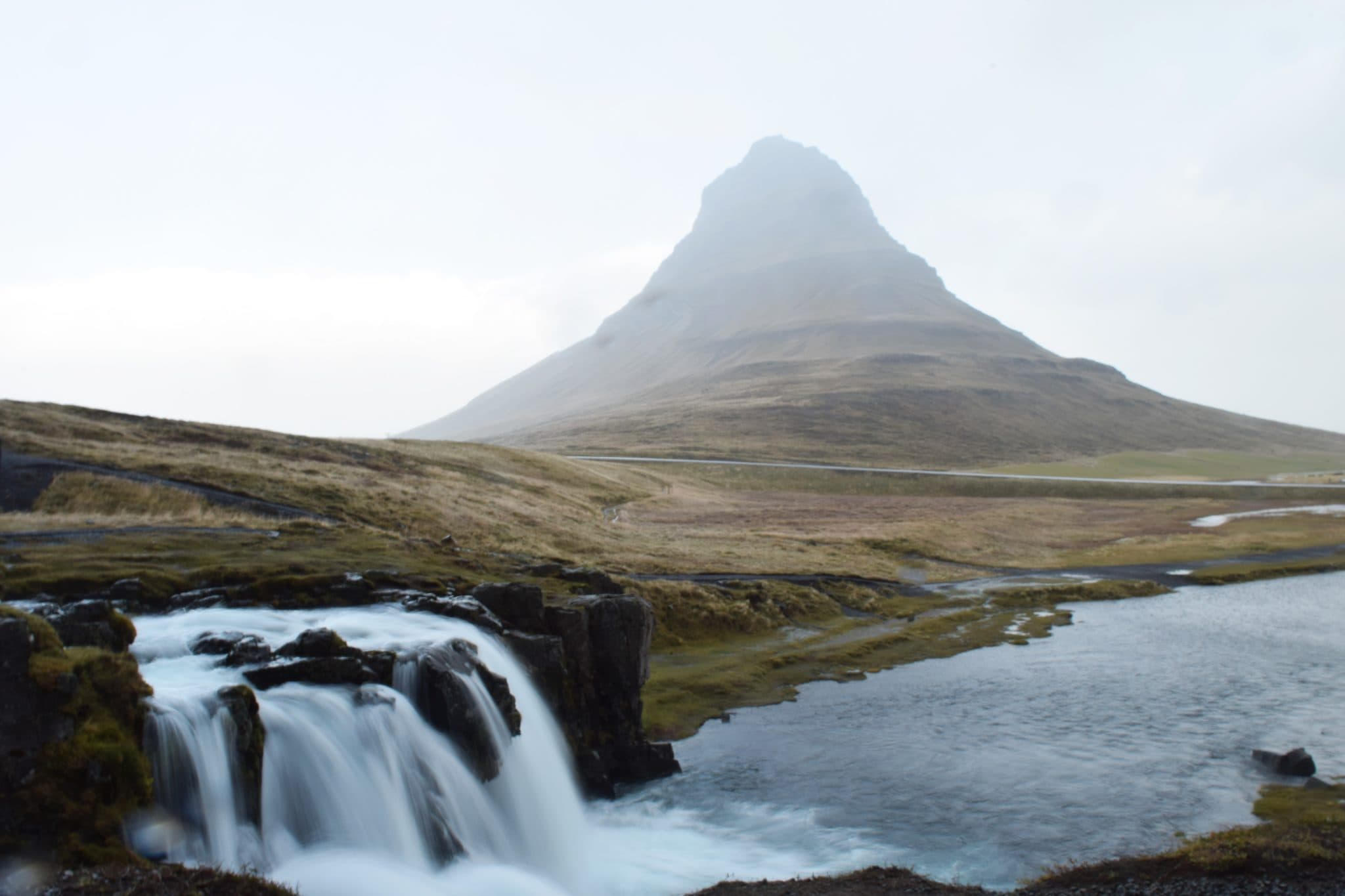
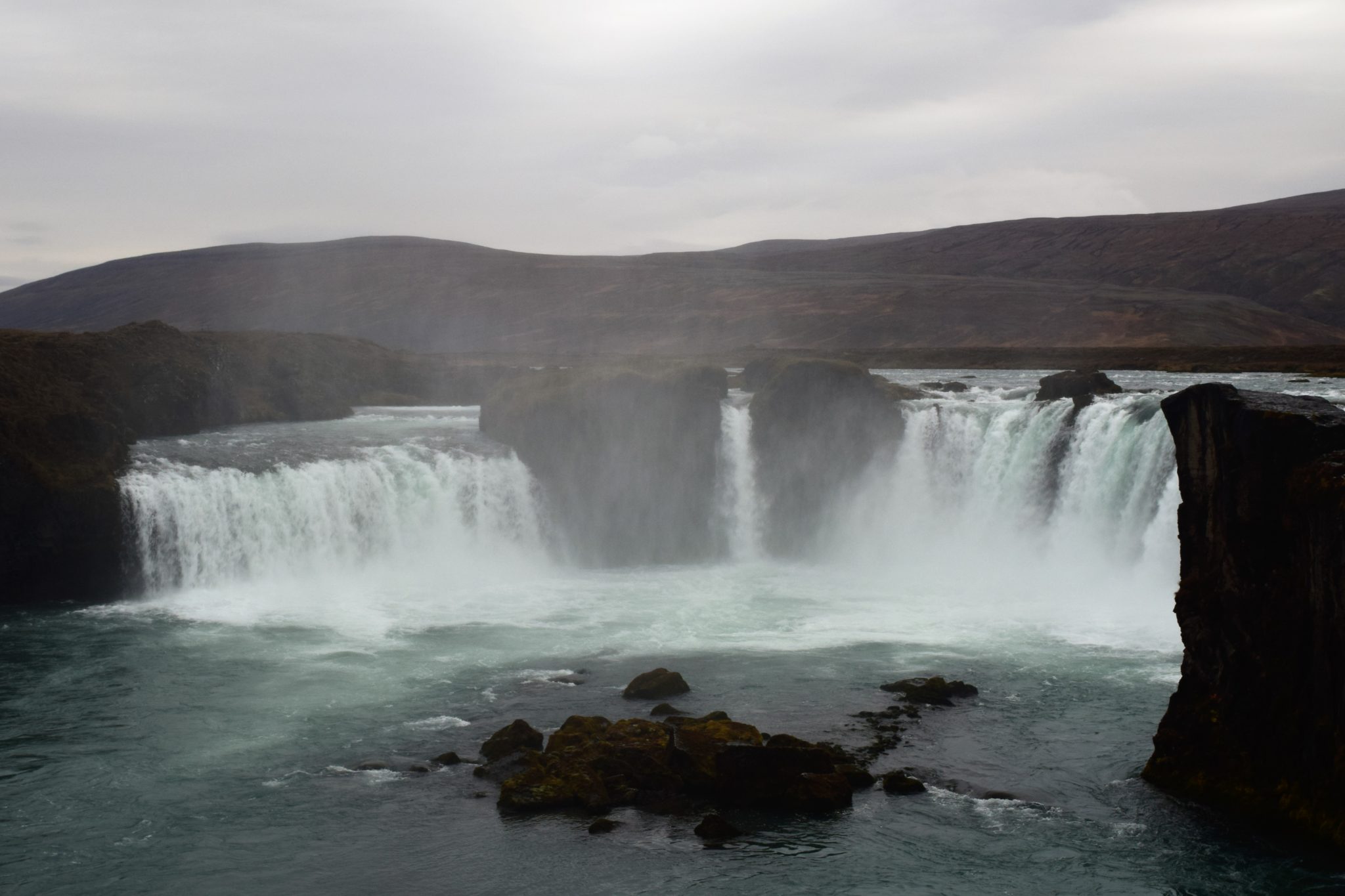 Goðafoss — the Waterfall of the Gods
We found a picnic spot as the light faded and cooked dinner there for the night.
On to the Westfjords
The final morning in North Iceland was the drive towards the Westfjords. Our first stop was Hvítserkur — a basalt stack in the sea that according to Icelandic legend is a petrified troll. It looks more like a rhinoceros.
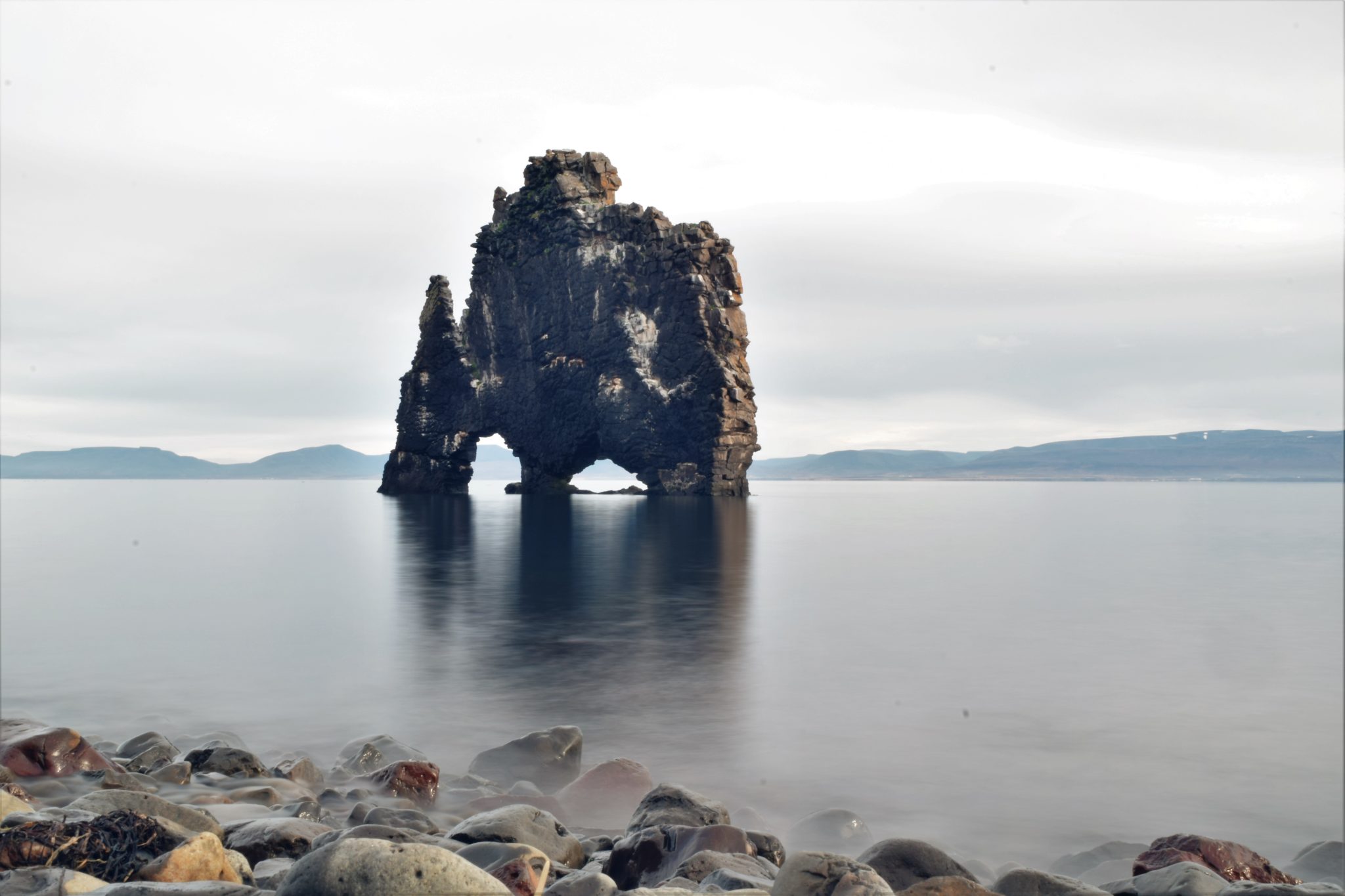 Hvítserkur — definitely a rhino
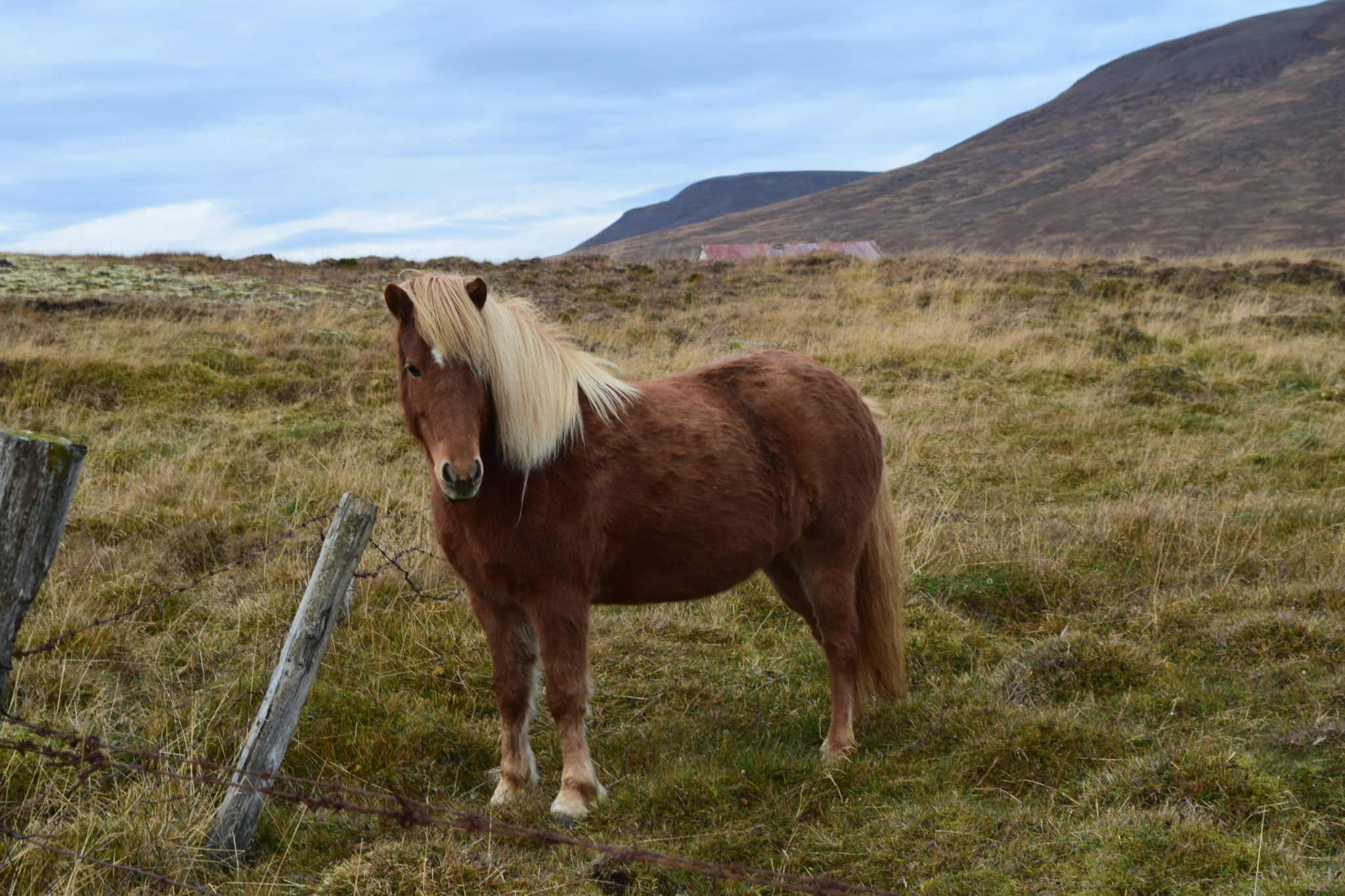 This Icelandic horse definitely knew what he was doing
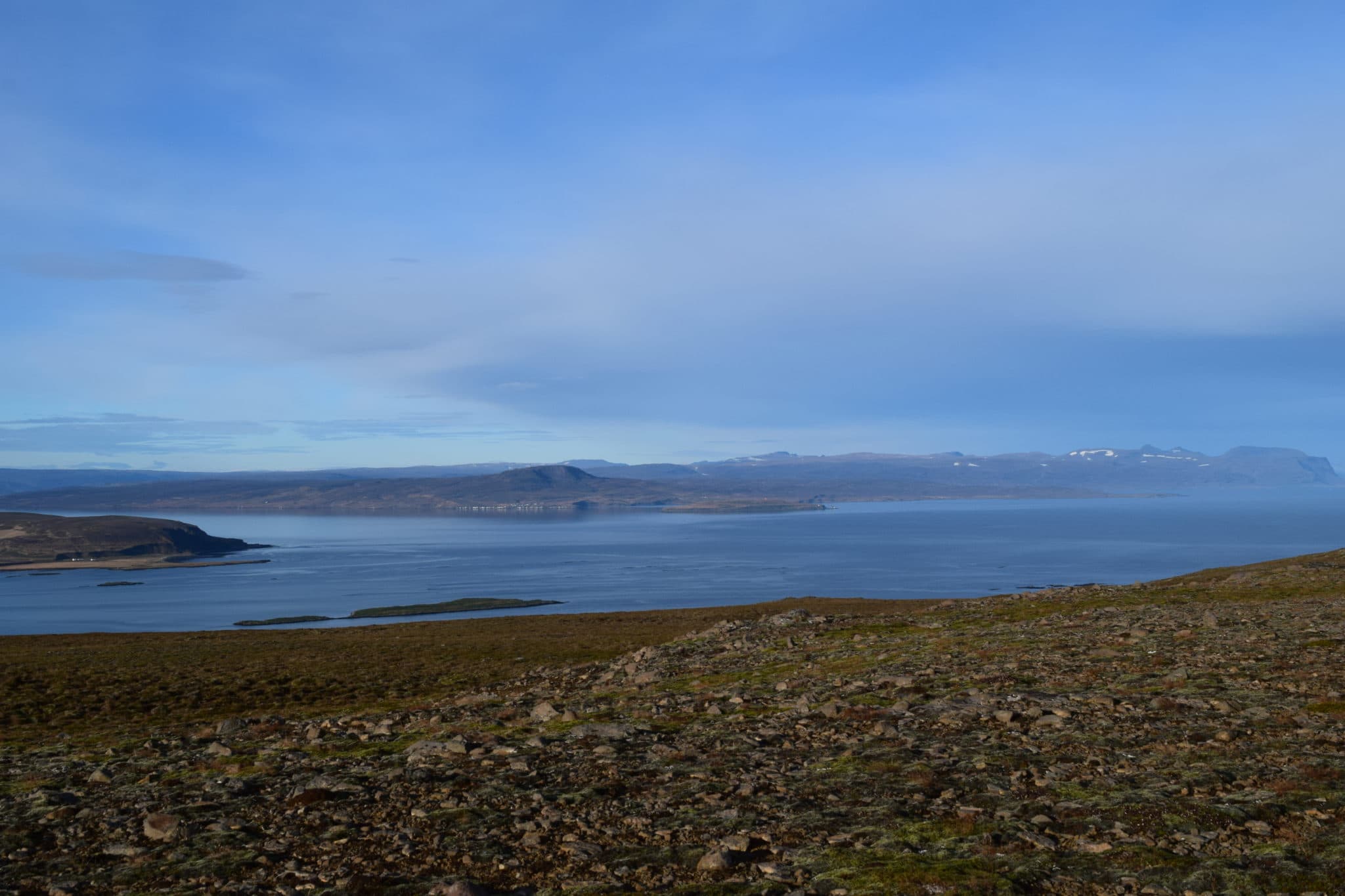
From Hvítserkur we officially entered the Westfjords — the most remote region of Iceland and the part most tourists skip entirely.
Free Download
Free Campervan Packing List
Everything you need for a campervan road trip.
All Iceland Posts
- Epic Iceland Road Trip Itinerary — 12 Days
- Iceland Day 1 — The Golden Circle
- Iceland's South Coast — Waterfalls and Glaciers
- Discovering Iceland's Eastern Fjords
- Iceland's Westfjords — Hot Spring Hunting
- From Snæfellsnes to Reykjavik
- Is Iceland's Blue Lagoon Overrated?
- The Best Hikes in Iceland
- The Ultimate Iceland Road Trip Guide
Frequently Asked Questions
North Iceland's highlights include Dettifoss (Europe's most powerful waterfall), Goðafoss (the Waterfall of the Gods), Ásbyrgi Canyon, Mývatn lake and its surrounding volcanic landscape, Krafla volcano, Húsavík (Iceland's whale watching capital) and Aldeyjarfoss — one of the most beautiful and least-visited waterfalls in Iceland.
Build your trip plan as you read
Use the free Wandering Bajans trip planner to build your itinerary, packing list and budget as you go.
Open the Trip Planner →