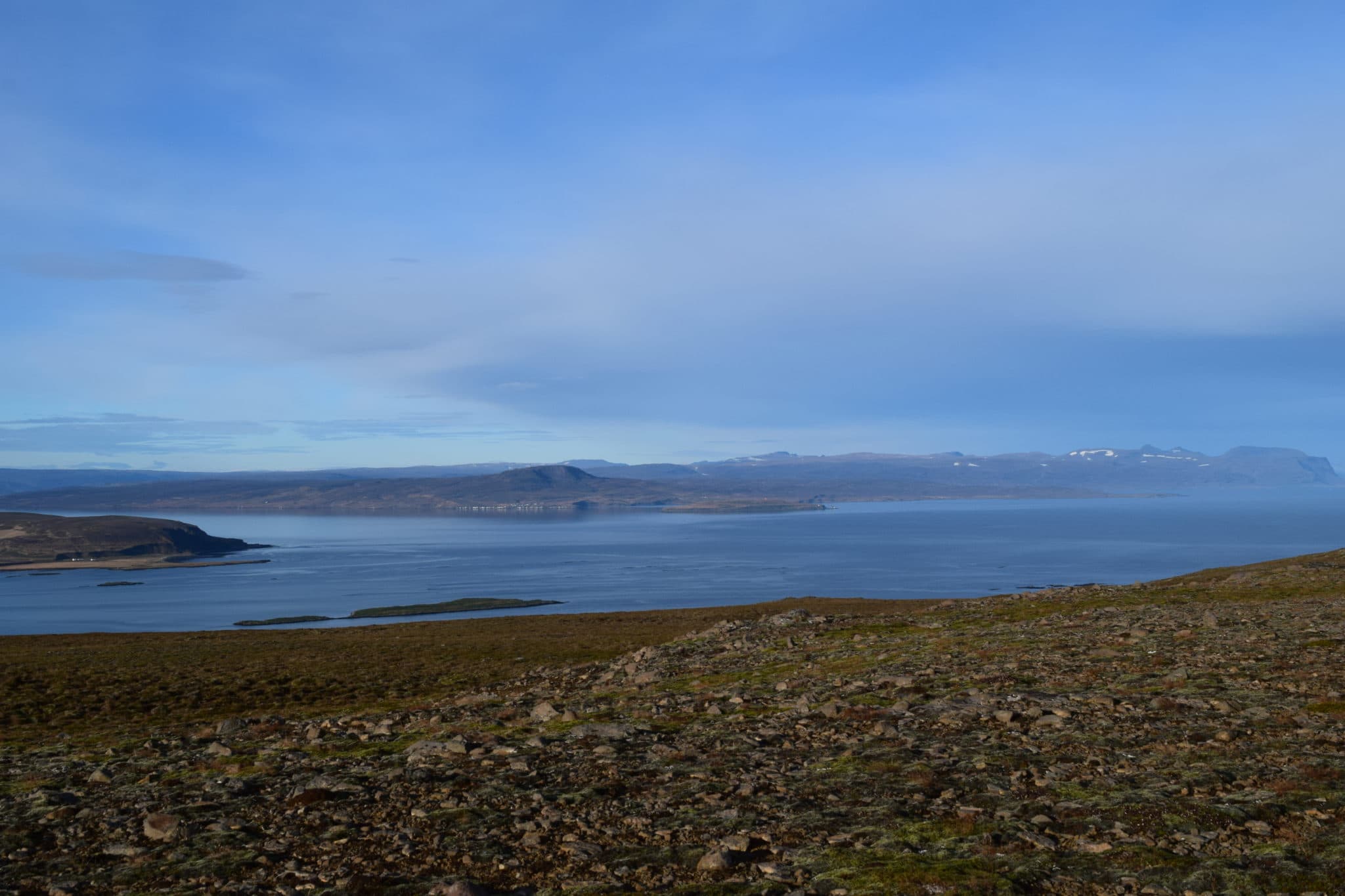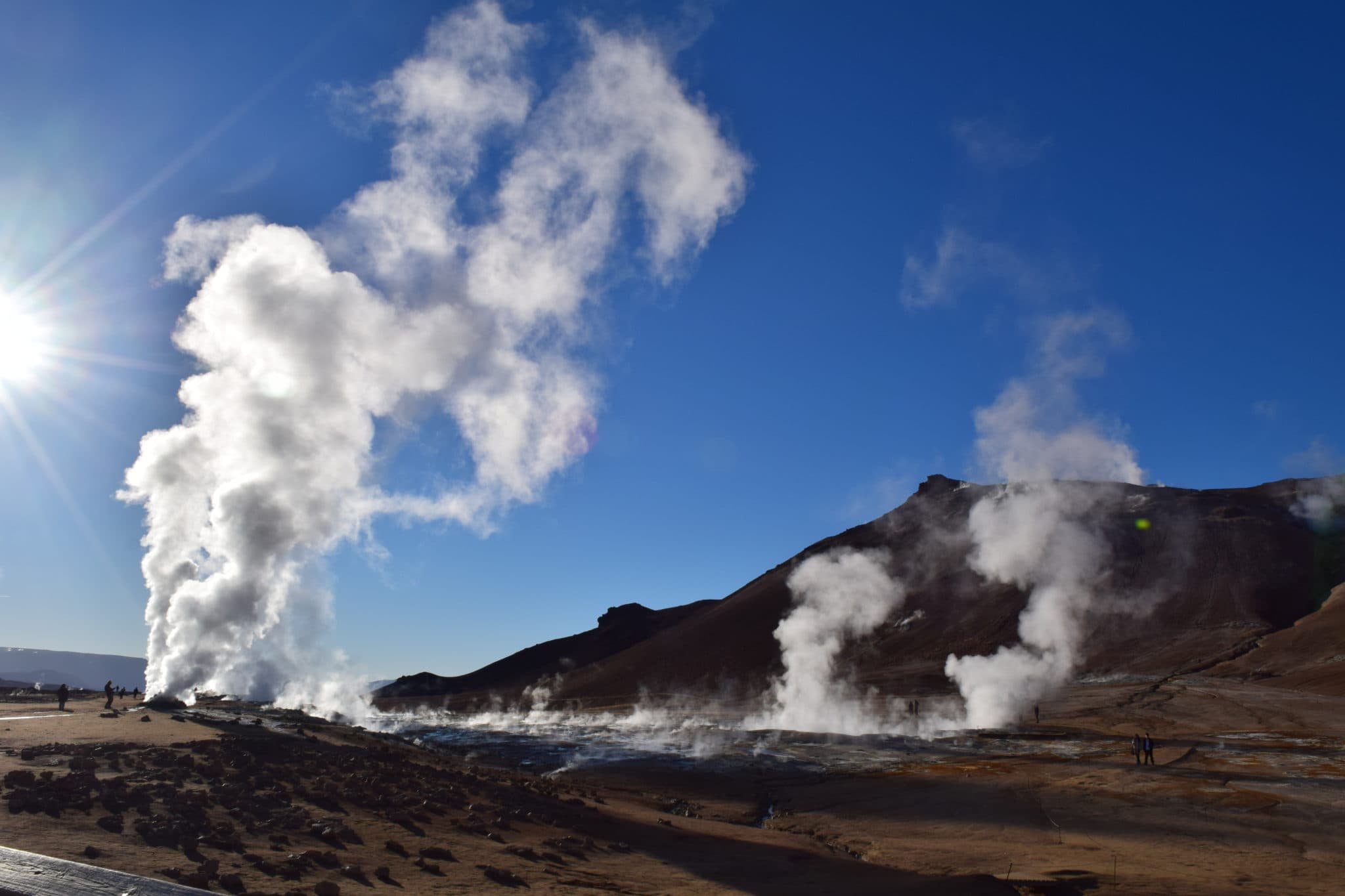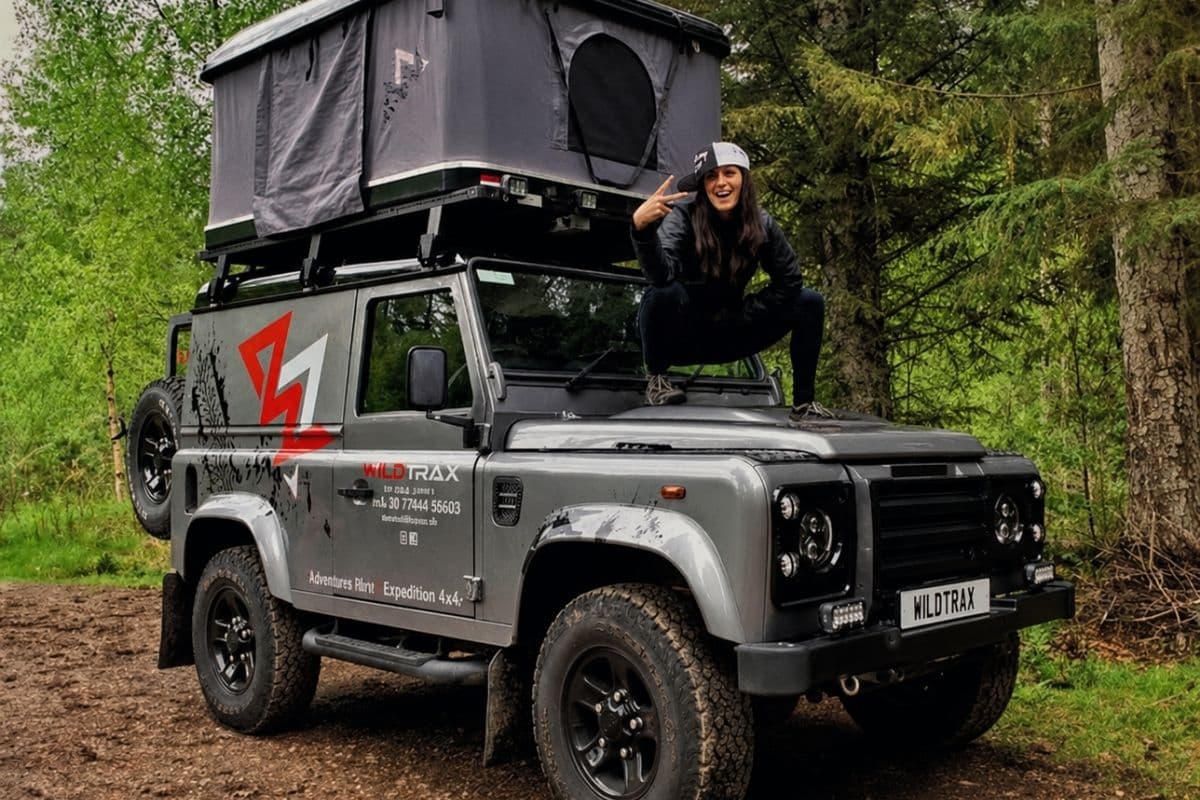
After our hot spring hunting in Iceland's Westfjords, we boarded the Ferry Baldur to Stykkishólmur on the Snæfellsnes peninsula. We were on the final leg of our 12-day Iceland itinerary.
The ferry crossing takes about two and a half hours. It was surprisingly comfortable even heading into a storm — we used the ferry's wifi to search for hotels in case the winds were too high to stay in the campervan. In the end we decided to wing it.
Stykkishólmur
We drove off the ferry into Stykkishólmur. The wind coming off the sea was extraordinary — we could feel the campervan being pushed across the road. We found a spot behind a building at the campsite to shelter us and survived another windy and rainy night.
We woke up the next morning to some blue sky breaking through the clouds. Time to move. We were driving out to Kirkjufell and praying for sun.
Kirkjufell and Kirkjufellsfoss
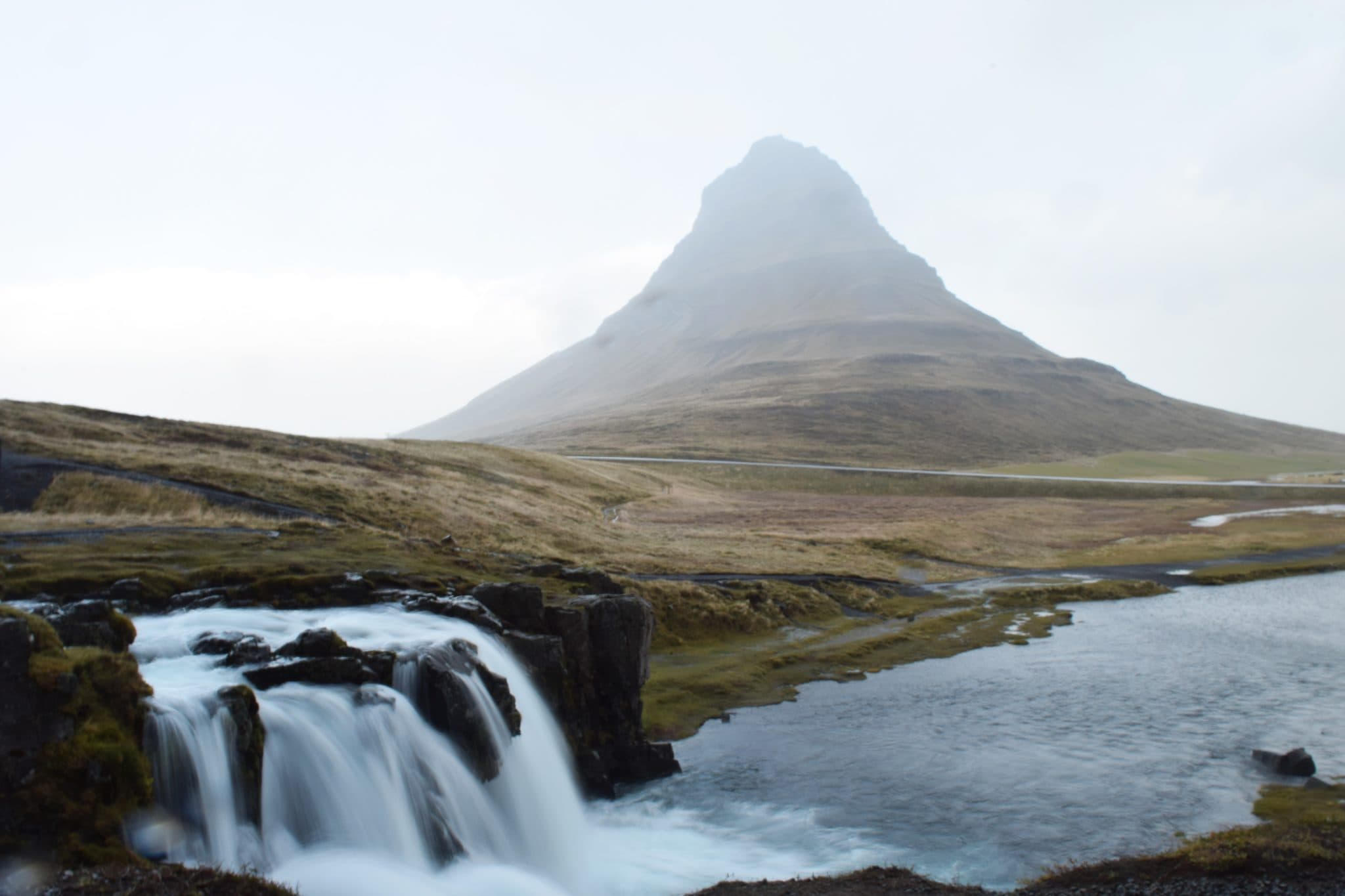
From the campsite it was about 30 minutes to Kirkjufell. Still extremely windy and rainy as we approached. We eventually spotted the uniquely shaped mountain rising from the headland.
One thing that surprises most visitors: the waterfalls are across the road from the mountain, not in front of it. From the car park you have to look left for the mountain and right for the falls.
We waited in the car for a break in the clouds. When some blue sky appeared we ran out.
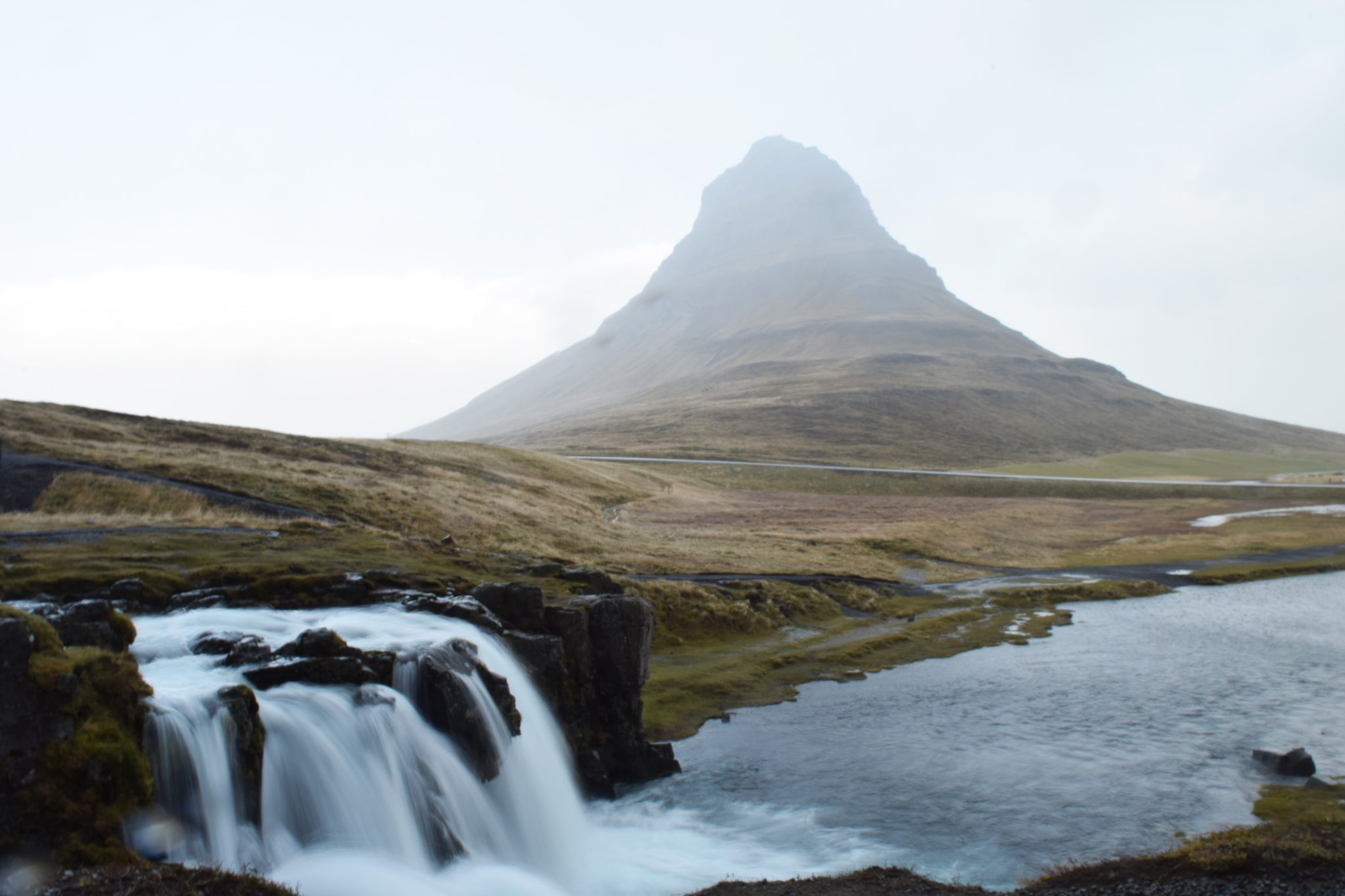 Kirkjufellsfoss with Kirkjufell behind
The blue skies did not stick around for long but we got the shot. The mountain is impressive regardless of the weather — the shape is completely unique and the location right on the edge of the sea is extraordinary.
Kirkjufell Tip
The second, lower set of waterfalls (Kirkjufellsfoss) gives you the better composition with the mountain behind. If the weather is bad at Kirkjufell, wait it out — the clouds move fast on Snæfellsnes and you can go from rain to clear sky in 20 minutes.
Hraunfossar and Barnafoss
A significant drive from Kirkjufell but the sun came out for this stop which made everything better.
Hraunfossar is extraordinary — the waterfalls seem to emerge from underneath the lava fields rather than falling from above. Water filters through the porous lava rock and appears at the edge of the river as a series of small cascades stretching across hundreds of metres. We had not seen anything like them before.
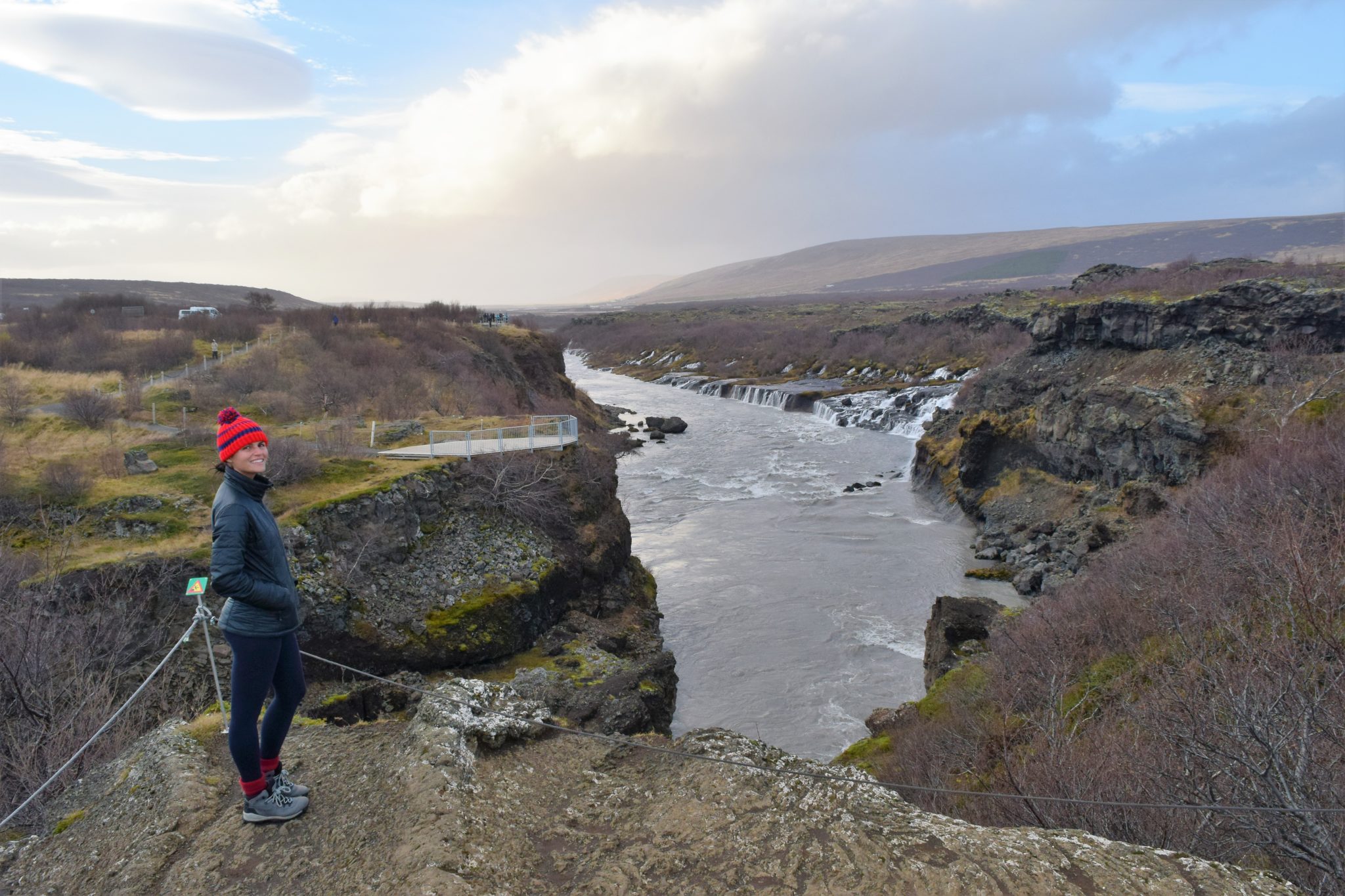 Checking out Hraunfossar
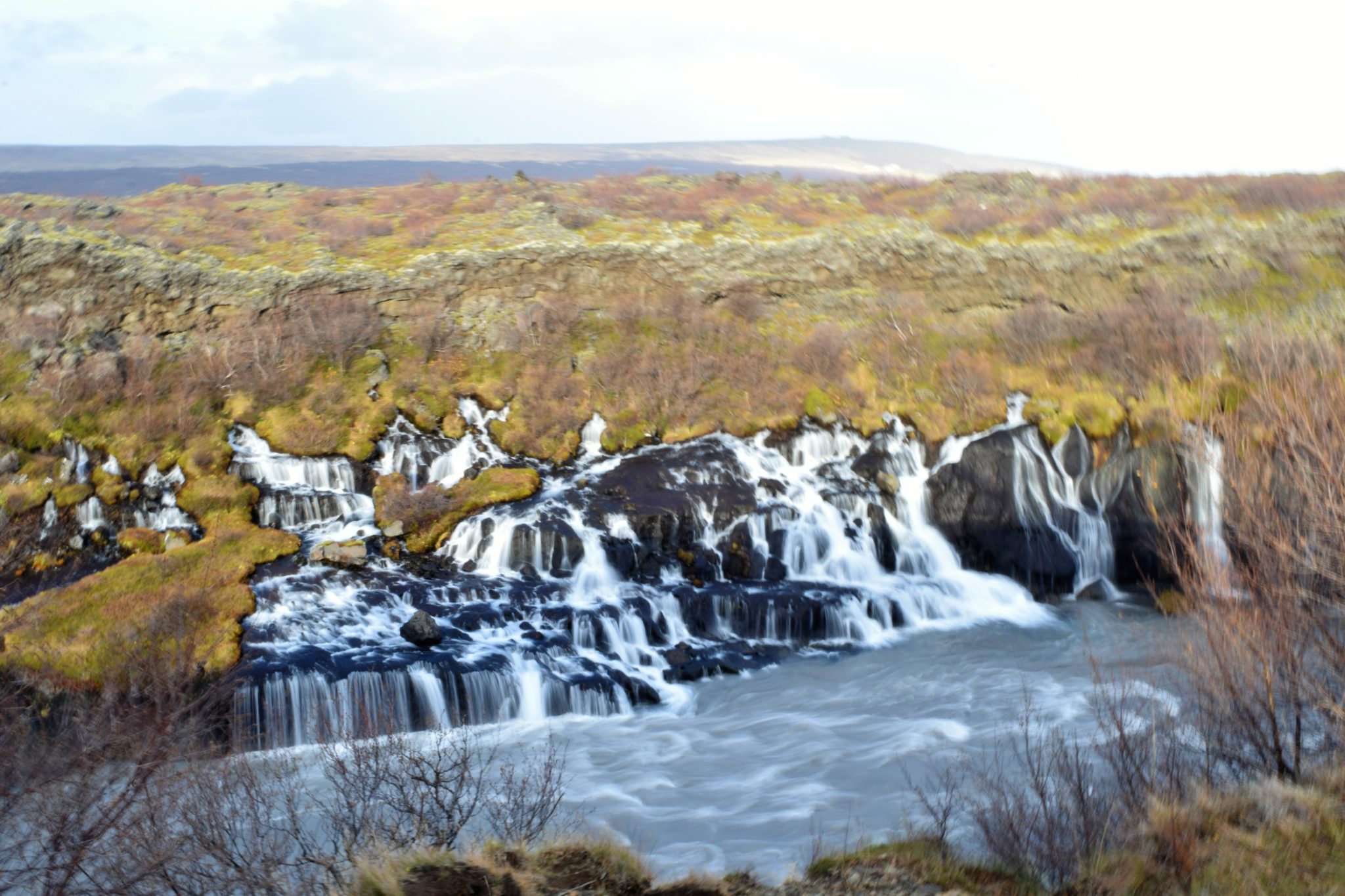 Hraunfossar and Barnafoss side by side
Barnafoss is just upstream — a more conventional but powerful waterfall. The two together make for one of the better waterfall stops in Iceland.
The Drive Back to Reykjavik
We were a little sad that the trip was nearly over. We took a winding route back with views like this.
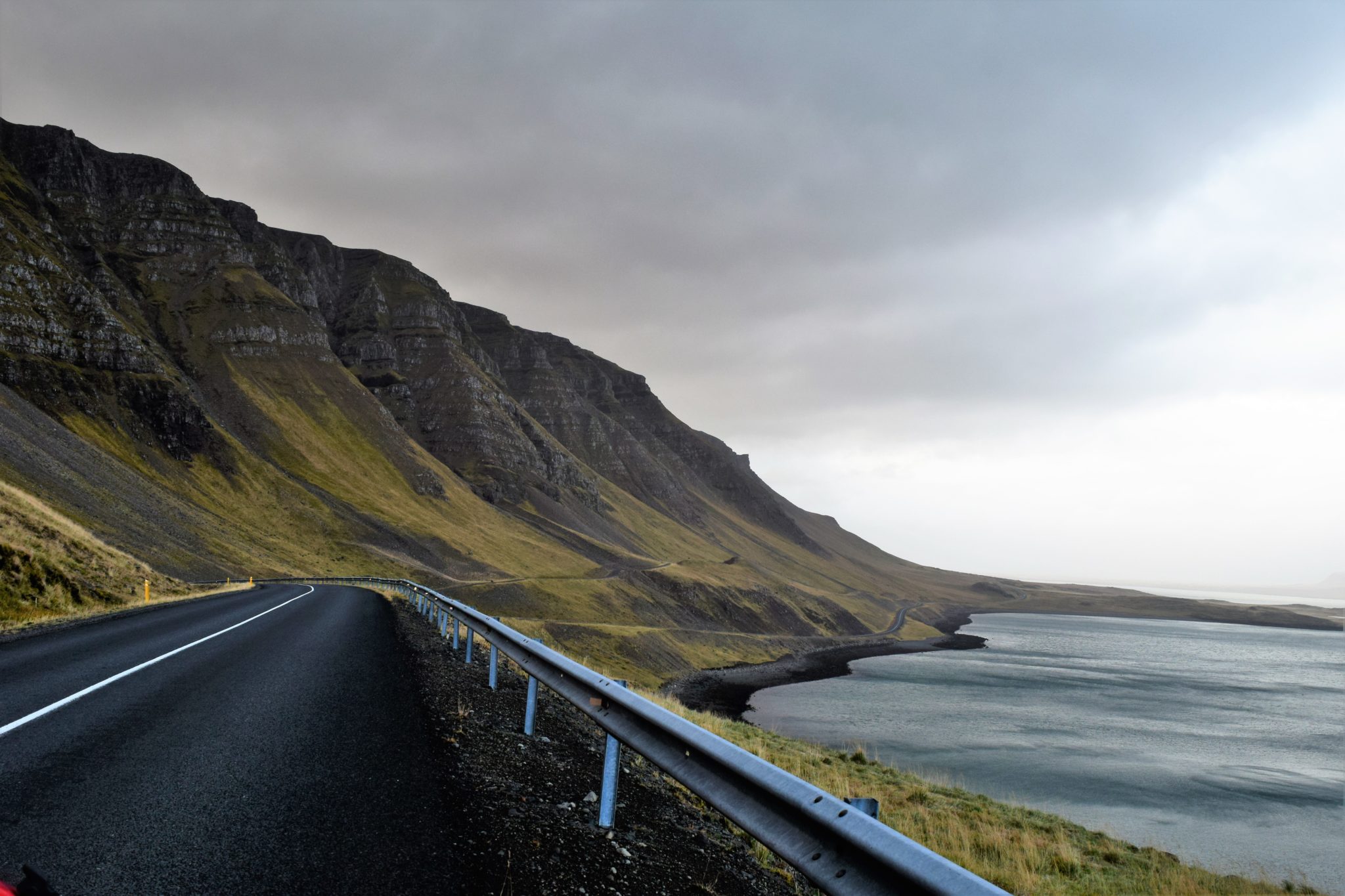 The road back to Reykjavik
Reykjavik
We arrived at Reykjavik Campsite — right in the city, crazy busy but perfectly located. The next day was our city day.
Hallgrímskirkja
We parked near the iconic church and walked the city from there. Hallgrímskirkja is 73 metres of concrete tower designed to echo the basalt columns that appear across Iceland. Go up the tower for views across the city and out to the surrounding mountains — worth the small fee.
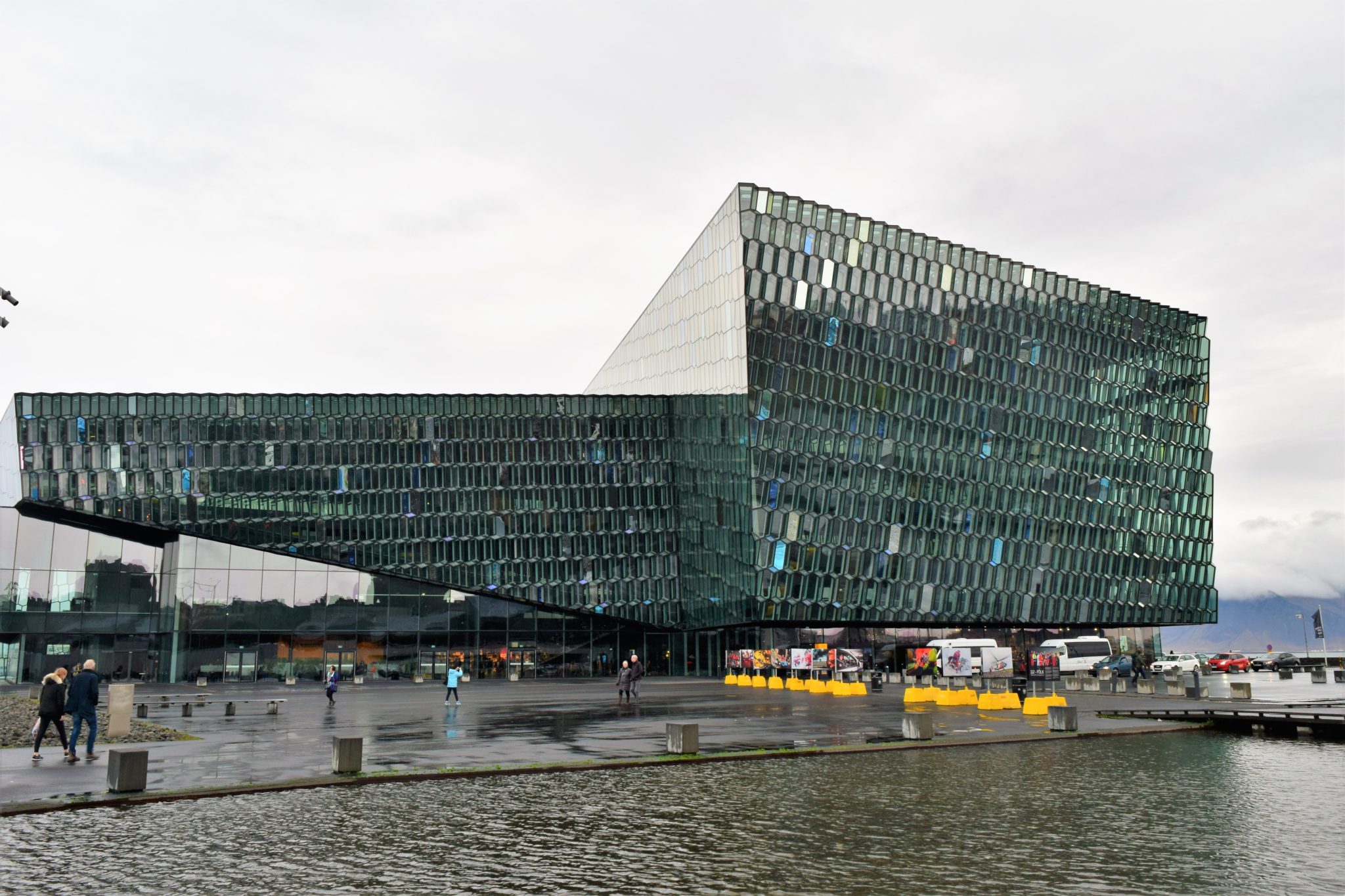 Harpa Concert Hall on Reykjavik waterfront
Harpa Concert Hall
Walking towards the harbour we passed Harpa — one of the most striking buildings in the city. Geometric glass facade designed by the same architect who did the Beijing Bird's Nest. The interior is worth a look too.
Laugavegur
The main shopping street. Good for souvenirs, wool goods and the general energy of the city. Iceland produces excellent knitwear and this is where to buy it.
The Food
We had lunch at Scandinavian restaurant — and then I made the mistake of trying hákarl (fermented Greenlandic shark) and brennivín together. The shark has been fermented and dried and has a texture and smell that is genuinely confronting. I managed one piece. The brennivín — Iceland's signature caraway spirit — knocked back straight was the only appropriate response. Both are genuine cultural experiences. I recommend trying them at least once.
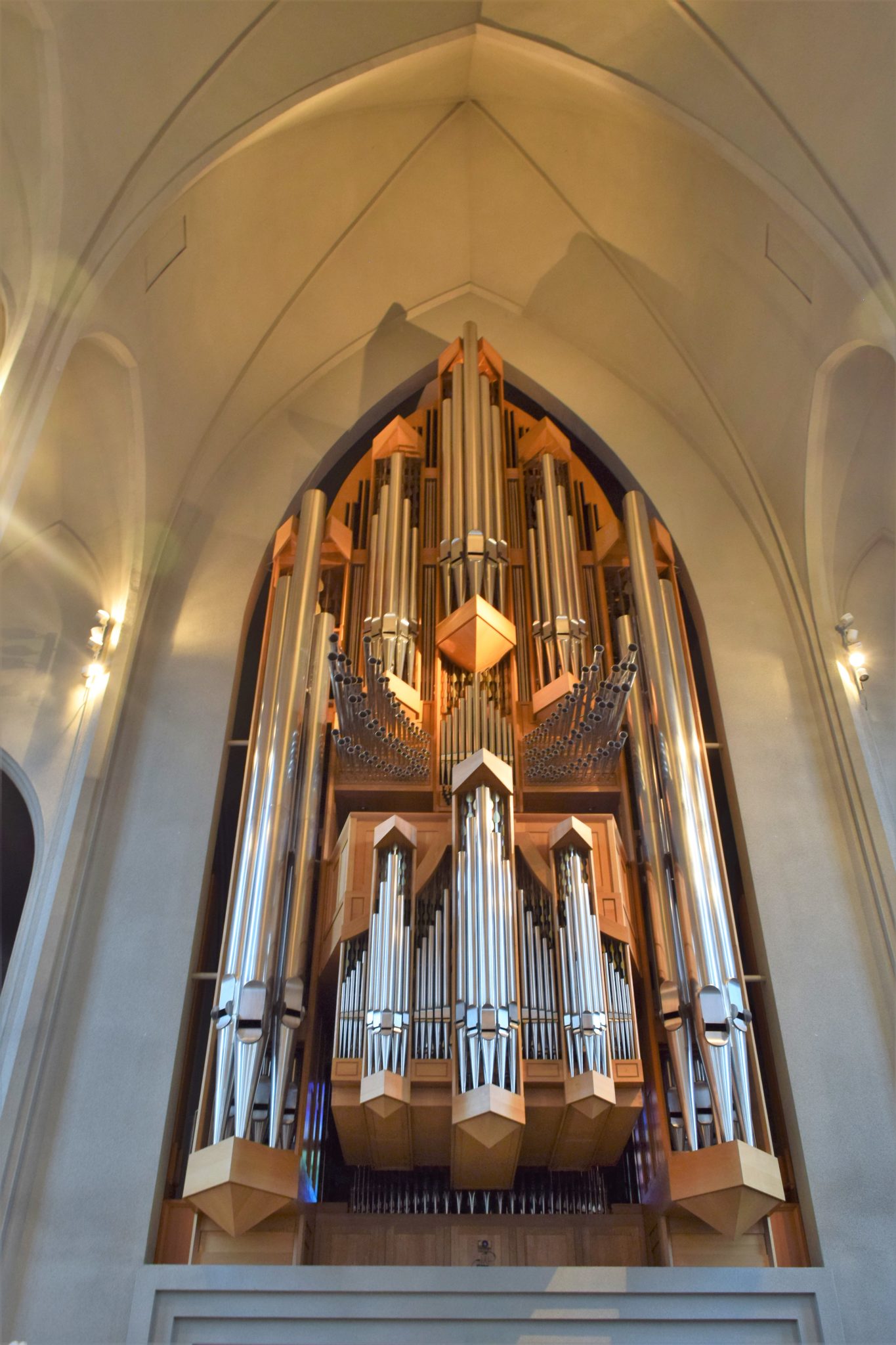 Inside Hallgrímskirkja
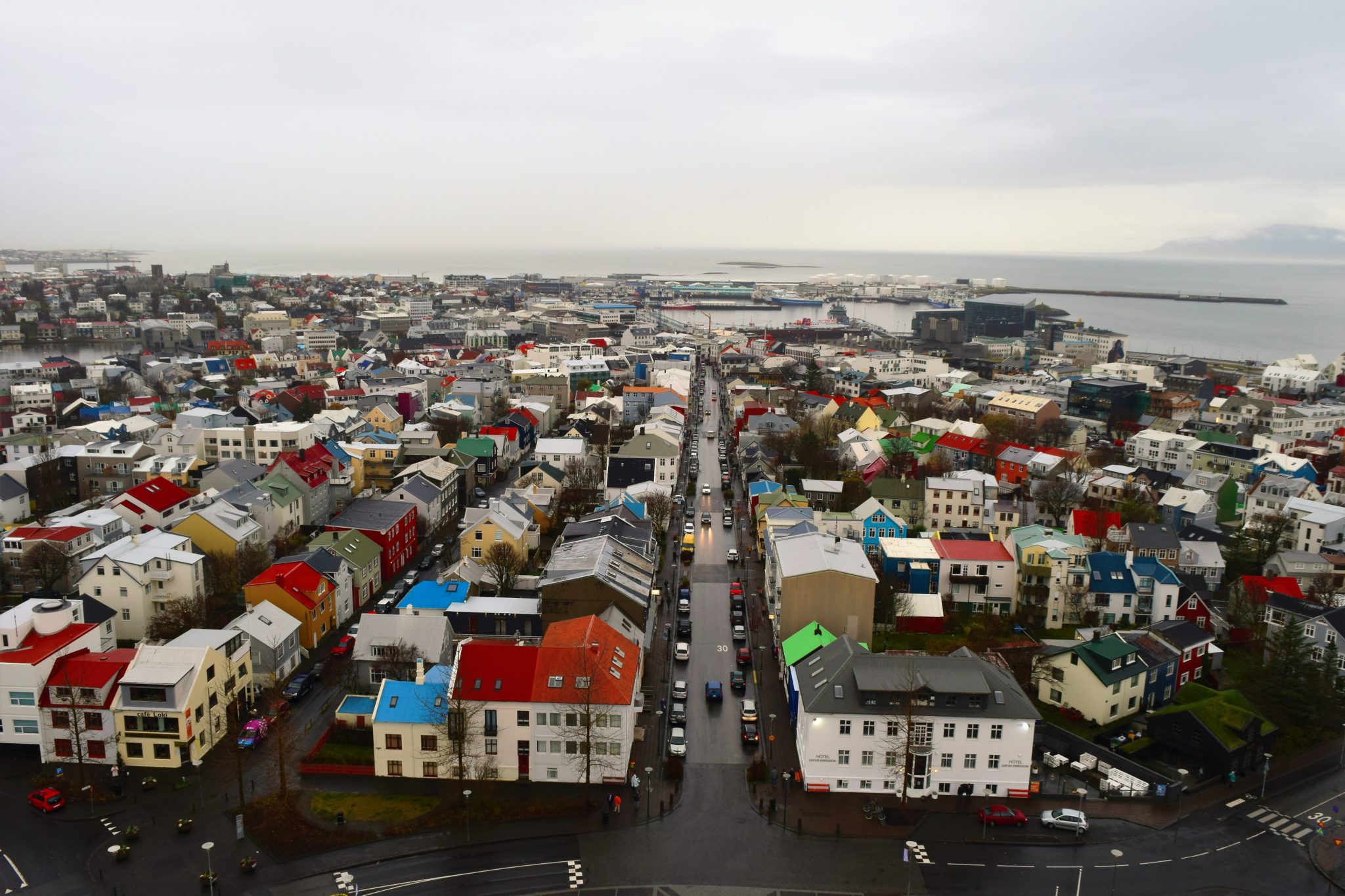 View of Reykjavik from Hallgrímskirkja tower
The Blue Lagoon and Home
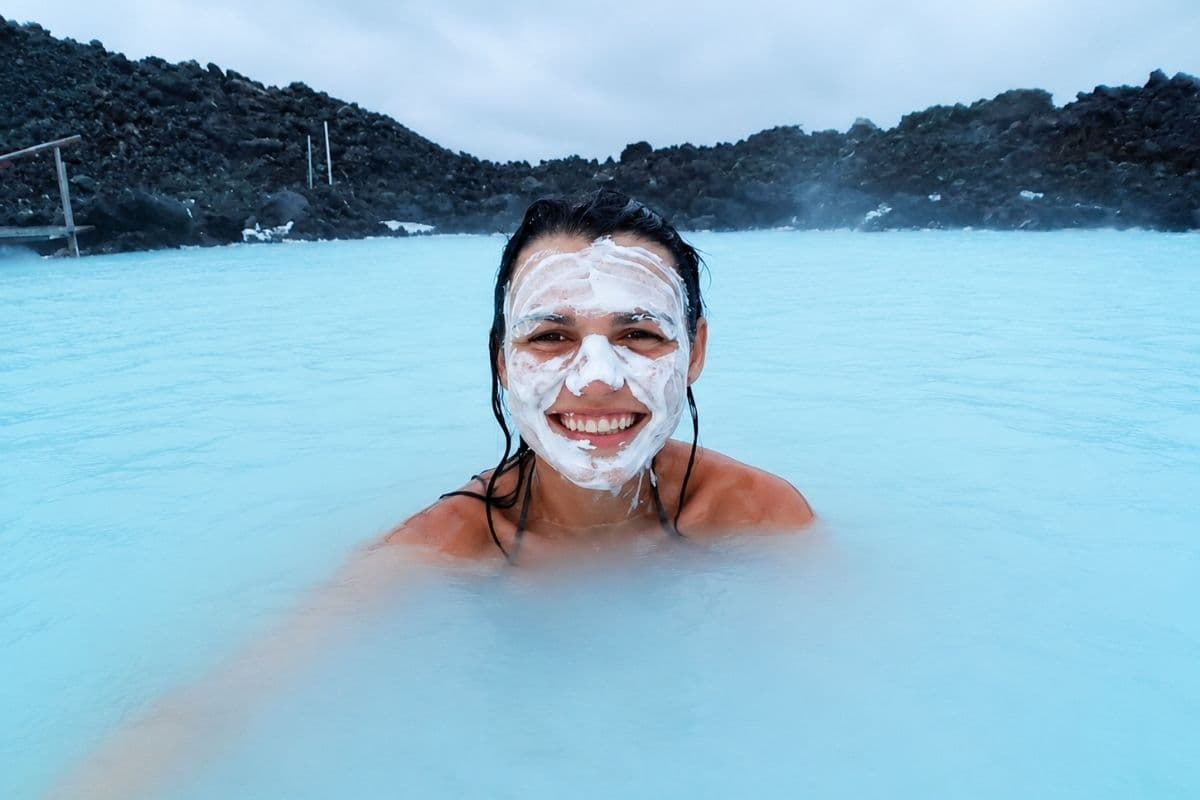
Our final morning we headed to the Blue Lagoon — camped near Grindavík for an 8am opening. A spectacular setting, expensive, and very busy. Good way to end a trip. For pure geothermal bathing the Mývatn Nature Baths in the north are better — but the Blue Lagoon is a genuinely extraordinary setting.
Then back to the campervan hire place and the airport.
We would do all of it again in a heartbeat.
Free Download
Free Campervan Packing List
Everything you need for a campervan road trip.
All Iceland Posts
- Epic Iceland Road Trip Itinerary — 12 Days
- Iceland Day 1 — The Golden Circle
- Iceland's South Coast — Waterfalls and Glaciers
- Discovering Iceland's Eastern Fjords
- North Iceland — Volcanoes and Waterfalls
- Iceland's Westfjords — Hot Spring Hunting
- Is Iceland's Blue Lagoon Overrated?
- The Best Hikes in Iceland
- The Ultimate Iceland Road Trip Guide
Frequently Asked Questions
Snæfellsnes is often called Iceland in miniature — it has glaciers, volcanoes, lava fields, black sand beaches, fishing villages and some of the most dramatic coastline in the country, all in a relatively small area. The main highlights are Kirkjufell (the most photographed mountain in Iceland), Snæfellsjökull glacier, Arnarstapi basalt arch coastline and Hraunfossar waterfalls.
Build your trip plan as you read
Use the free Wandering Bajans trip planner to build your itinerary, packing list and budget as you go.
Open the Trip Planner →