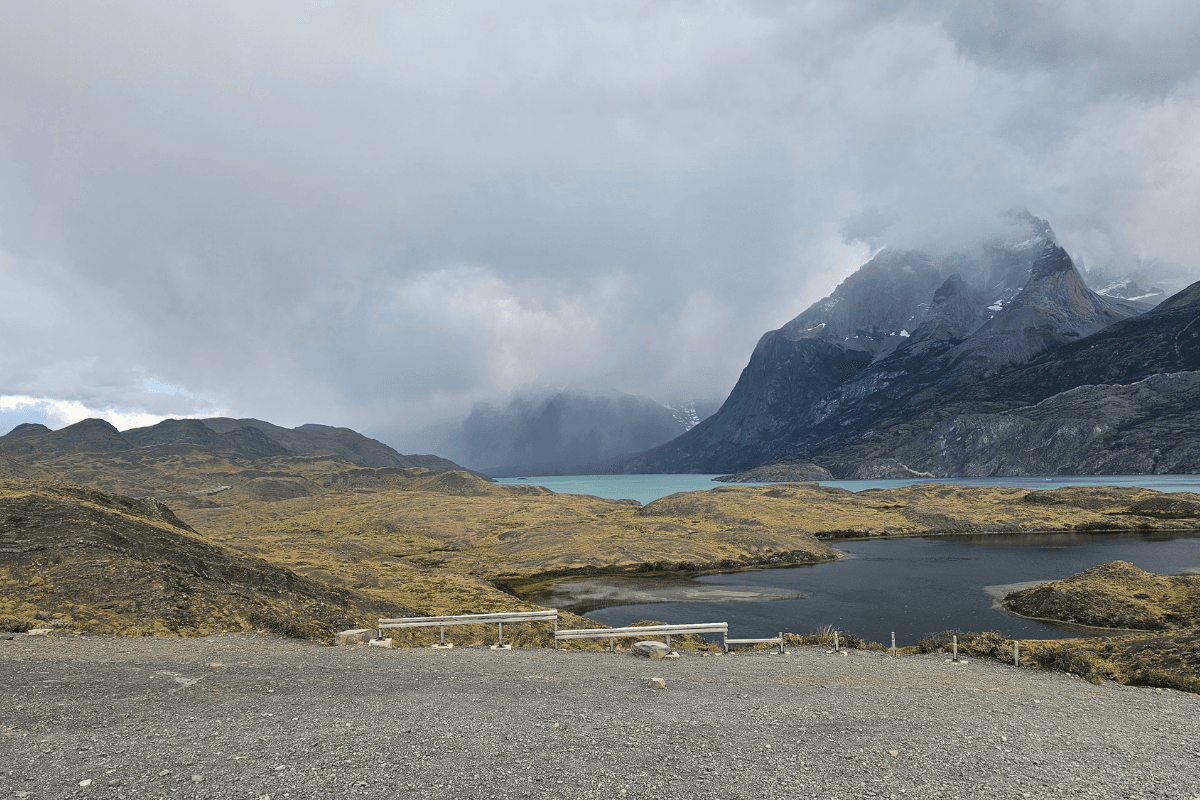
I've hiked to the base of the Torres del Paine towers with a toddler, driven Iceland's Ring Road through genuine whiteout conditions, and spent weeks in remote parts of Patagonia and Scotland where the nearest hospital was hours away. I've never had to make a serious insurance claim, and I still buy travel insurance every single time. Here's why, and what I actually use.
Free Download
Free Budget Travel Planner
Plan your trip, track your spending, travel more for less.
Why I Buy It Every Trip, Even the "Safe" Ones
It's tempting to skip insurance on trips that feel low-risk — a city break, a familiar destination, somewhere with good infrastructure. But the trips that actually need insurance most aren't always the ones that look risky on paper.
A missed connection, a sudden stomach bug in a country where you don't speak the language, a piece of luggage that simply doesn't turn up — none of these require a dramatic hiking accident to become genuinely expensive and stressful. And on the trips that are genuinely remote — Torres del Paine, the Scottish Highlands, the Icelandic interior — the maths becomes undeniable. A medical evacuation from somewhere without easy road access can run into tens of thousands of dollars. No realistic travel budget absorbs that without insurance sitting behind it.
What I Actually Use
I use World Nomads for the majority of my trips, particularly anything involving hiking, remote travel, or activities outside a standard beach holiday.
A few reasons it's become my default:
It's built for the kind of travel I actually do. Multi-day treks, remote regions, activity-heavy itineraries — a lot of standard travel insurance policies quietly exclude exactly this kind of trip unless you specifically pay for adventure coverage. World Nomads is designed around genuinely active travellers rather than treating hiking and trekking as an edge case to upsell separately.
You can buy it after you've already left home. This has genuinely saved me before — realising partway through a longer trip that I wanted to extend coverage, or add a country I hadn't originally planned to visit, without needing to have sorted everything perfectly before departure.
Claims processing has been straightforward for the smaller things I have claimed — a delayed bag, a cancelled activity due to weather. Nothing dramatic, but the process itself wasn't the nightmare some travel insurance horror stories suggest it can be.
Coverage Tip
Always check whether your specific activities are covered before assuming a standard policy has you protected. Multi-day trekking, glacier travel, and remote hiking are commonly excluded from base-level policies and require an upgraded adventure tier — don't find this out after the fact.
What to Actually Check Before You Buy Any Policy
Whichever provider you go with, a few things are worth confirming before you commit:
Medical coverage limit. Look for genuinely substantial coverage, not just a token amount — medical costs and evacuation from a remote location can add up faster than most people expect.
Adventure activity coverage. If your trip involves hiking, trekking, diving, or anything beyond standard sightseeing, confirm explicitly that these activities are covered rather than assuming a general policy includes them.
Pre-existing conditions. Policies vary significantly here — some exclude pre-existing conditions entirely, others offer a waiver if purchased within a specific window of booking your trip.
Country-specific exclusions. Some policies exclude certain countries or regions entirely, or require a specific add-on for them. Worth checking against your actual itinerary rather than assuming blanket coverage.
Cancellation and interruption terms. Understand what circumstances actually trigger a valid claim — the fine print here varies more between providers than people expect.
Free Download
Free Budget Travel Planner
Plan your trip, track your spending, travel more for less.
The Honest Bottom Line
Travel insurance is one of those things that feels like an unnecessary expense right up until the moment it isn't. I've been lucky — no major claims across years of remote, adventure-heavy travel — but "lucky" isn't a strategy, and the trips I do that genuinely carry risk (multi-day treks, remote regions, driving through unpredictable weather) are exactly the trips where skipping coverage would be the wrong kind of gamble.
World Nomads has worked well for the kind of travel I actually do. Whichever provider you choose, buy something before you go — the cost of the policy is nothing compared to the cost of not having one when you actually need it.
Related Posts
- Driving to Torres del Paine
- Patagonia with a Toddler
- The North Coast 500 and Isle of Skye
- Iceland Road Trip Itinerary — 12 Days
Frequently Asked Questions
For anything beyond a short, low-risk trip close to home, yes — genuinely. The cost of an emergency medical evacuation from somewhere remote like Torres del Paine or the Icelandic Highlands can run into tens of thousands of dollars, and no travel budget realistically absorbs that without insurance.
Build your trip plan as you read
Use the free Wandering Bajans trip planner to build your itinerary, packing list and budget as you go.
Open the Trip Planner →