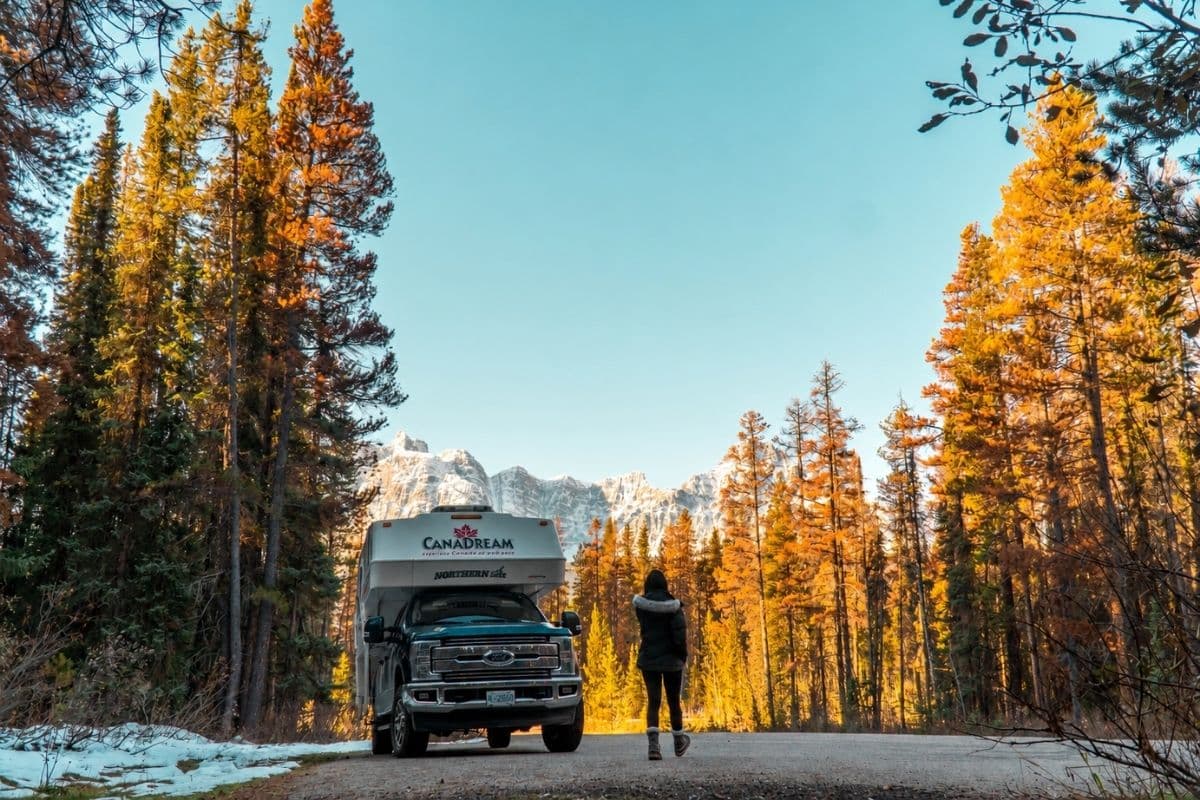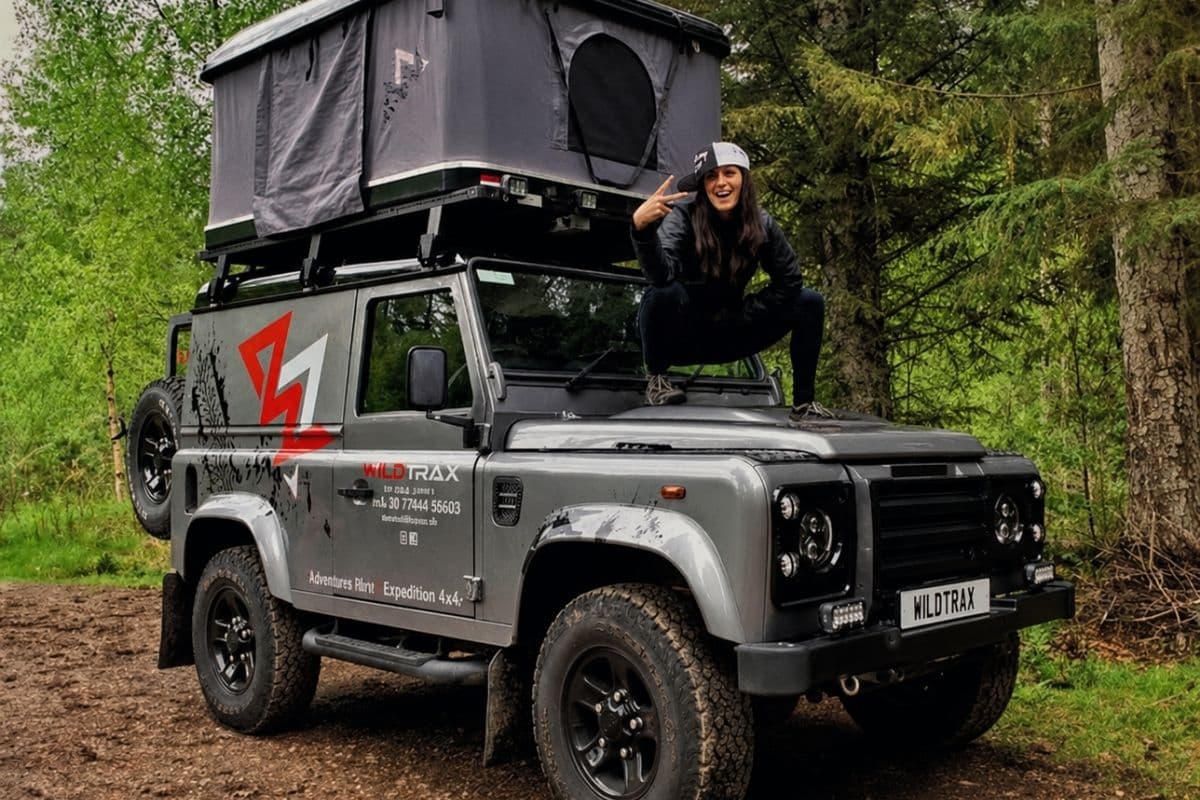
After our campervan rental in Iceland, we were dying to relive the fun of wild camping — this time in something bigger. We headed to the Yukon and drove down to Jasper and Banff, and found what felt like the perfect RV upgrade: a shower, a toilet, a proper kitchen and living area. A serious step up from a bed in the back of a Jeep Wrangler.
What we hadn't fully appreciated was the learning curve. Suddenly we were responsible for monitoring water, waste and gas usage — systems an RV rental company hands you the keys to without necessarily walking you through in detail. It was overwhelming at first, arriving at 10pm after a full day of travel and trying to absorb it all. We got the hang of it eventually, but not before leaving the water heater running all day and burning through a full gas canister in two days.
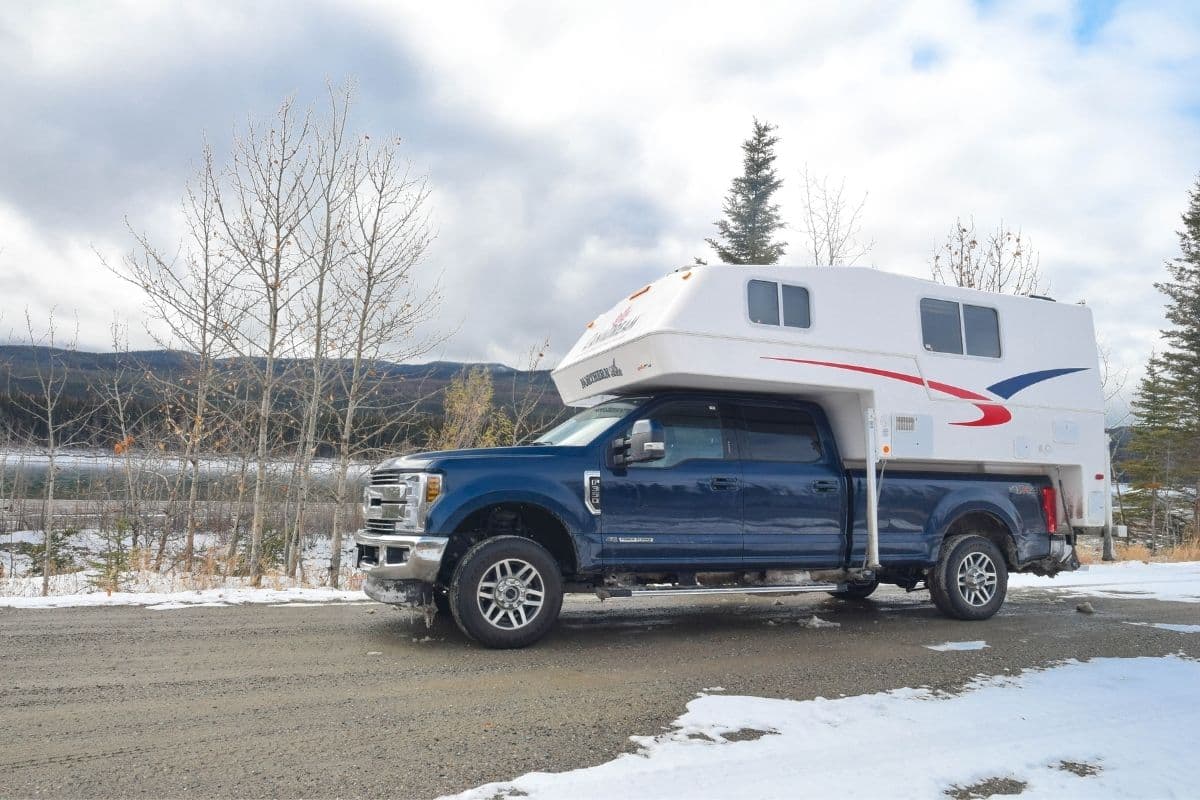
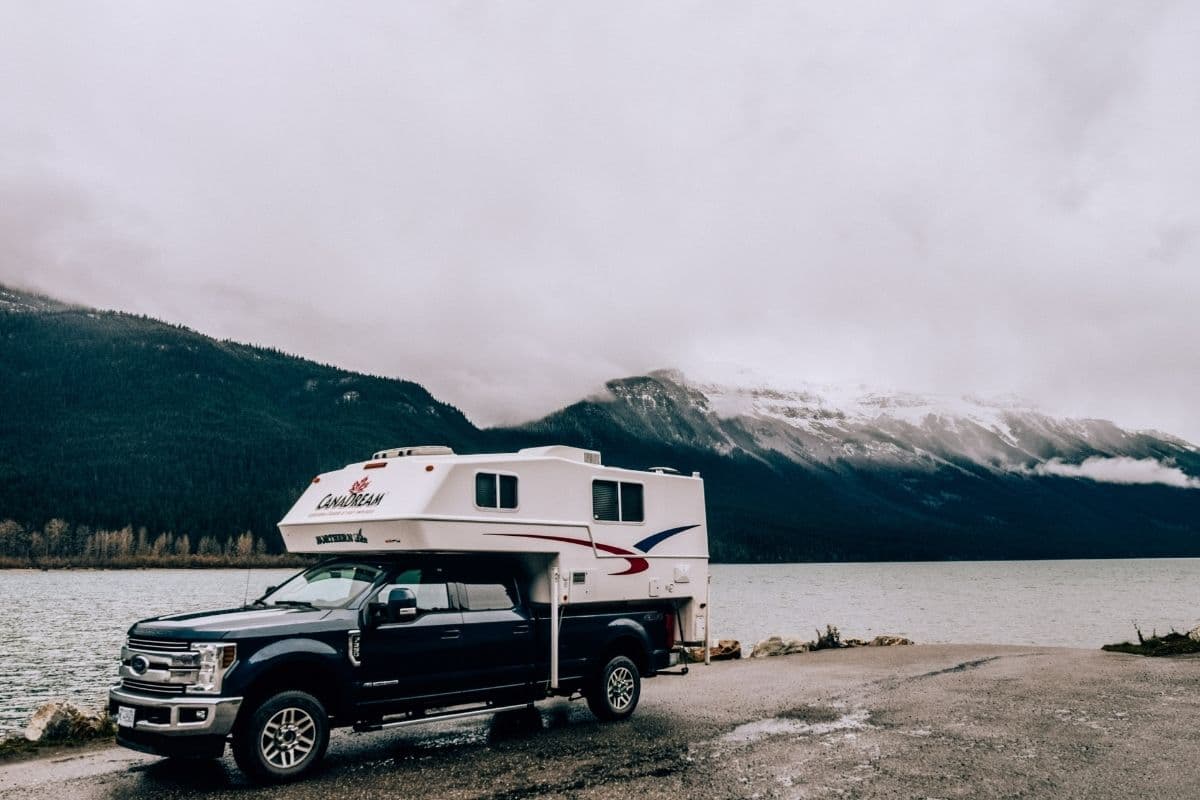
 Our RV rental just before Jasper National Park
Renting an RV has genuine pros and cons, but for us the pros clearly won out. The steepest con was exactly this learning curve — we hadn't realised how much active management the systems required. It was still a genuinely fun experience figuring it out together, and here's everything we learned for other first-time RV renters.
Things to Know About Renting an RV for the First Time
1. RV Fees
Beyond the rental fee and insurance, budget for gas and potentially campground fees for RV hookups. Along our Yukon to Calgary route, some places offered free sewage dumps and fresh water, others charged — it varied enough that you shouldn't assume either way.
2. Secure Everything
Obvious in theory, easy to forget in practice. More than once we popped inside for lunch without properly securing loose items, only to find them on the floor when we got back in. Our RV had glass cups — wrap them. We hit a bumpy stretch of road and lost exactly one glass, which felt like a lucky outcome given how little we'd secured beforehand.
3. Make Yourself At Home
Two weeks in the RV meant unpacking properly rather than living out of backpacks — using every available cupboard to keep things organised. It's remarkably easy to lose things in a small, disorganised space. Giving everything a proper "home" made daily life considerably easier.
Free Download
Free Road Trip Planning Checklist
Everything to sort before, during and on the road.
4. Fridge Settings
We started on setting 5 (the coldest) and burned through far more propane than necessary in the first couple of days. Dropping it to setting 1 kept everything at the perfect temperature with a fraction of the gas use. Don't assume the coldest setting is required — test lower first.
5. Cooking
Open a window near the stove while cooking — it gets hot fast, and cooking smells linger otherwise. We kept meals simple: basic oven dishes, boiled vegetables on the stove, and batch cooking whenever we reached a campsite. One evening I steamed ten chicken breasts in the microwave and used the cooked chicken across several simple meals for the rest of the trip — a genuine propane saver compared to baking chicken fresh each night.
6. Grey Water
Grey water comes from your sinks and shower, and needs active monitoring. We learned this the hard way — a backup sent greasy kitchen water into the shower, which meant an unpleasant cleanup and an emergency tank empty at the nearest stop before we could run water again. Aim to find a dump site once the indicator hits around two-thirds full. Better safe than sorry.
7. Fresh Water
Also worth monitoring closely. In October, along our route, many refill stations were already shut down for the season. We managed one refill at a gas station, and kept spare water containers filled with river or glacier water as backup for washing dishes and flushing toilets — saving actual fresh tank water for drinking. Aim to refill once you're down to about a third.
8. Black Water
The least pleasant tank — toilet waste. Using public toilets whenever available reduces how often you need to empty it. Same rule as grey water: aim to empty around two-thirds full, ideally once you've arrived at your evening campsite, since the process takes a little time to fully drain.
Waste Tank Tip
After our grey water backup, we became far more disciplined about checking indicators daily rather than waiting until something forced the issue. A five-second glance each morning saves a genuinely unpleasant afternoon.
9. Emptying the Waste Water Tanks — Step by Step
The best approach is pulling up at a campsite and handling this from the warmth of the RV rather than rushing it elsewhere.
- Find or buy rubber gloves.
- Connect the drain tube to the waste pipe.
- Connect or place the drain tube into the sewage dump hole.
- Release the black water valve (and hope everything's connected correctly).
- Check the indicator to confirm the black water has fully drained, then add a gallon of fresh water to help clear the line.
- Close the black water valve and open the grey water valve.
- Check the grey water tank, then close the valves once empty.
- Disconnect at the RV first, letting any remaining liquid drain into the sewage dump hole.
- Store the drain tube away and wash your hands thoroughly.
- Add toilet chemical to the fresh water in the tank, and carry on adventuring.
10. Turn Off Everything Before Leaving a Campsite
Build a mental checklist — lights, water heater, stove, oven, all off before departure. Don't take the shortcut we did and simply switch off the RV's main battery to save time. This disconnects the battery entirely, meaning the solar panel can't charge it during the day, which meant no spark for the propane heating system that night. We ended up driving around at 1am just to recharge the battery enough to stay warm.
11. Watch for No-Camping Signs
Keep an eye out for no-overnight-parking or no-camping signage — getting woken mid-drive to relocate is not how you want to spend the night. Further north on remote stretches we had no issues pulling over freely, with hardly anyone else around. Closer to Jasper and Banff, signage and enforcement increase considerably alongside the crowds. We did manage to camp near Pyramid Lake in Jasper National Park, but it happened to coincide with the Dark Sky Festival, when photographers were out overnight anyway — likely a lucky exception rather than the rule.
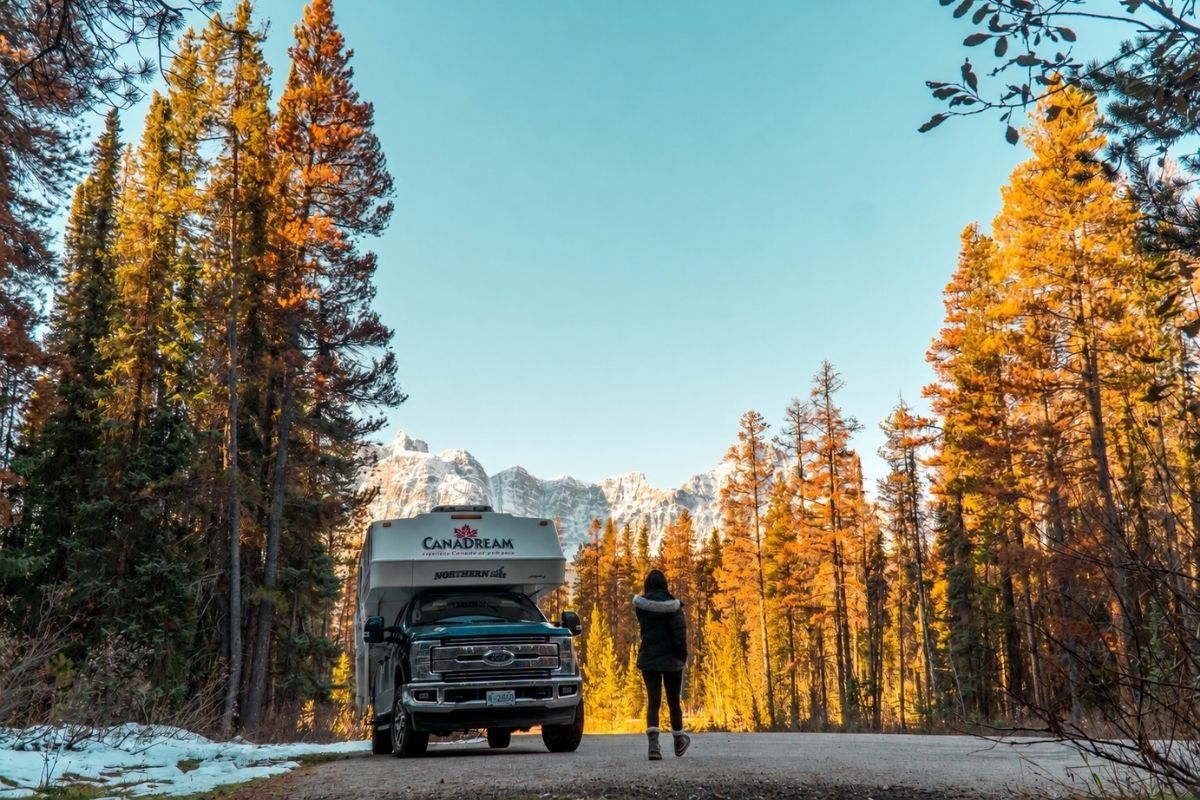
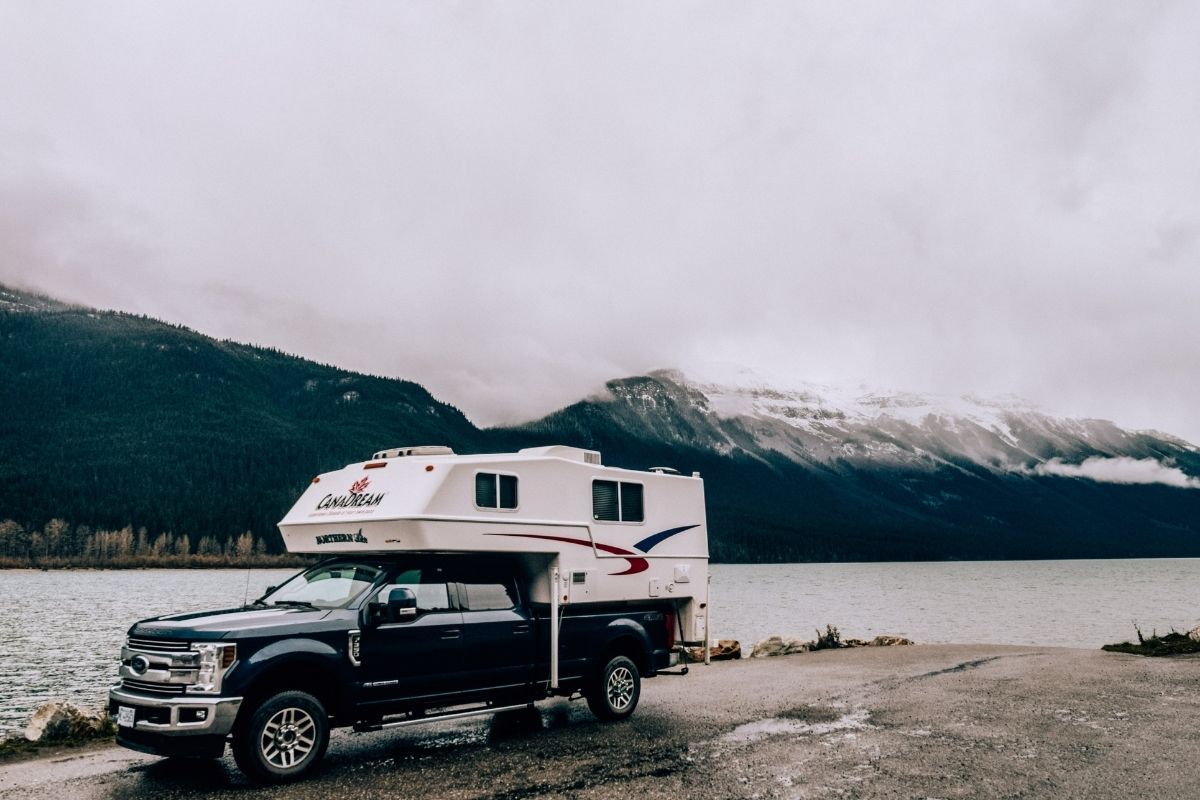 One of our lunch stops along the route
Most RVs share broadly similar systems, though the specifics vary — ours ran primarily on propane rather than solar for most necessities. For the full cost breakdown of this trip, read the Canadian Rockies road trip budget breakdown.
Free Download
Free Road Trip Planning Checklist
Everything to sort before, during and on the road.
Related Posts
- Budget Breakdown: Canadian Rockies Road Trip
- Alaska Highway RV Guide and Itinerary
- Iceland Road Trip Itinerary — 12 Days
Frequently Asked Questions
Understand your fridge, grey water, fresh water and black water systems before you leave the rental depot, not after you're already on the road. Ask the company for a full walkthrough, and don't skip questions that feel obvious — running out of propane or backing up your grey water tank happens fast if you're not monitoring these from day one.
Build your trip plan as you read
Use the free Wandering Bajans trip planner to build your itinerary, packing list and budget as you go.
Open the Trip Planner →