The Complete Patagonia Packing List — What I Actually Carried with a Toddler
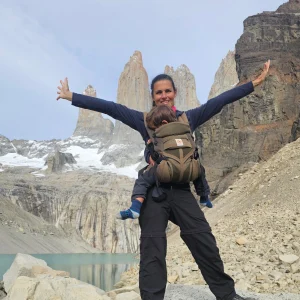
Packing for Patagonia is a particular kind of challenge. The weather changes in minutes, the terrain is demanding, you are carrying everything on your back for sections of the trip and you are doing all of this while also packing for a three year old who needs his own complete kit without adding catastrophic weight to your pack. This is the exact list I used for three weeks in Patagonia — Ushuaia, Punta Arenas, Torres del Paine, El Calafate, El Chaltén — with Freddy.
Nothing on this list is aspirational. Everything here came with us and earned its place.
My Pack
Osprey Renn 50L
Carrier
Ergobaby 360
TDP Campsites
Tent + sleeping bags supplied
Duration
3 weeks · Feb · End of summer
The Patagonia Packing Philosophy
Patagonia in February is the end of the southern hemisphere summer — warm enough during the day but cold at night, with the wind making everything feel significantly colder than the temperature suggests. The Patagonian wind is not a casual inconvenience. It is a serious weather system that can push you sideways on an exposed trail and will cut through inadequate layers without hesitation.
The other Patagonia packing truth: you will be carrying everything through airports, on buses, on trails and through campsites for three weeks. Every gram matters and every item needs to justify its place in the pack. Merino wool throughout — for both of us — solved the bulk and layering problem better than any other approach.
For Torres del Paine specifically — the premium fully equipped campsites at Chileno and Central supply tents and sleeping bags. You do not need to carry your own sleep system into the park which significantly changes the pack weight calculation for that section.
💡 The Wind Rule
Whatever you think about the Patagonian wind from reading about it — it is worse. Every layer you pack needs to work against wind as much as cold. A windproof shell over a mid-layer is more effective than a heavier insulating jacket with no wind protection. Pack the rain jacket every day regardless of the forecast.
Clothing — My List
Tops
- 1 long-sleeve merino wool top. The primary hiking and layering piece. Merino regulates temperature in both directions — warm when cold, breathable when working hard — and handles multiple days between washes without the odour problem that synthetic fabrics develop. Worth every penny for a three-week trip.
- 1 short-sleeve merino wool t-shirt. The plane outfit and the town days piece. Presentable enough for a restaurant, practical enough for a hiking day.
- 1 merino vest. An extra insulating layer that adds warmth without bulk. Worn under the long-sleeve on cold mornings and at camp.
- 1 insulated puffy jacket. The warm layer for camp, bus rides and the wind. Packable down or synthetic — synthetic is the better choice for Patagonia where the dampness can compromise down insulation.
- 1 fleece jacket. The mid-layer between the base and the puffy. In Patagonia the layering system works — base layer, fleece, shell — and the fleece earns its place every single day.
Bottoms
- 1 pair of ¾ leggings. The plane outfit and a versatile base layer for town days and lighter hiking.
- 1 pair of wool leggings. For camp and sleeping. Warm, comfortable and a genuine upgrade from synthetic camp trousers.
- 1 pair of zip-off hiking pants. The main hiking trouser — worn every day on trail. The zip-off feature is genuinely useful in Patagonia where you start a day cold and warm up significantly by midday.
Rain Gear
- Rain jacket. Non-negotiable in Patagonia. Pack it every day. Wear it on the exposed sections regardless of the morning forecast. The weather in Torres del Paine changes faster than anywhere I have been — sunshine to horizontal rain in minutes is not an exaggeration.
- Rain pants. For the serious weather days on the W Trek. Lightweight enough to carry without complaint, essential when the Patagonian wind arrives with rain behind it.
Accessories
- 3 pairs of quick-dry underwear. The minimum for a three-week trip with laundry options at hostels along the route.
- 3 pairs of wool socks — 2 hiking, 1 sleeping. Merino wool socks manage moisture and temperature better than any synthetic alternative on a multi-day trail. The dedicated sleeping pair stays dry and clean — do not hike in them.
- Merino gaiter. For neck warmth against the wind. More useful than a buff for Patagonian conditions — covers more and stays in place better.
- Lightweight gloves. Essential for the exposed sections and cold mornings. Pack them even in February.
- Hiking boots. Broken in before you go. Waterproof. Ankle support. The same boots that carried me up to the base of the Torres — do not attempt the W Trek in trail runners unless you are an experienced runner with very confident ankles.
- Flip flops. For campsite showers, hostel floors and the blessed relief of getting out of hiking boots at the end of a long day.
Clothing — Freddy’s List
Freddy was three. Children at this age have strong opinions about clothing — hence the white vests as backup in case the wool was rejected. Merino wool for children works on the same principle as for adults but the sensory tolerance varies enormously per child. Know your toddler and have a contingency.
Tops
- 2 wool long-sleeve tops. The main hiking and layering pieces. Merino for the same reasons as mine — temperature regulation, odour management, multiple days of wear.
- 1 short-sleeve merino shirt. For warmer days and town stops.
- 1 white vest — backup. In case the wool was rejected on a given day. It was not needed much but worth having.
- 1 fleece jacket. The mid-layer for cold days and evenings at camp.
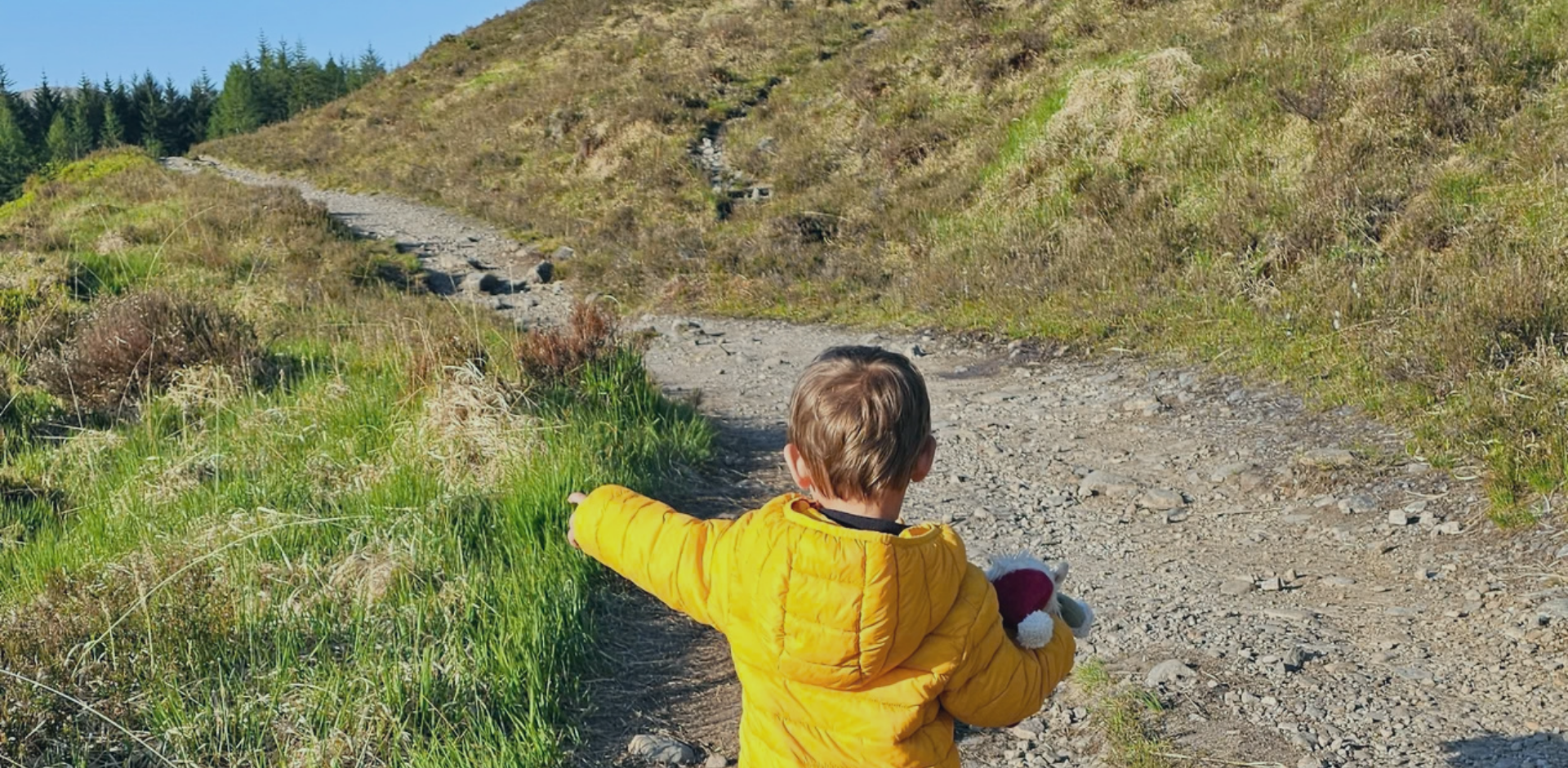
- 1 insulated puffer jacket. The warm layer for cold mornings, bus rides and camp. In Freddy’s case, yellow — a sensible high-visibility choice on a trail.
Bottoms
- 1 wool base layer pants. For cold days and sleeping.
- 1 fleece pants. Camp and cold sections.
- 1 pair of soft shell hiking pants. The main hiking trouser — durable, wind-resistant and comfortable for a three year old on the move.
- Rain pants + rain jacket. Essential. Keep the child’s rain gear regardless of forecast. Children feel the cold and wet faster than adults and have less capacity to manage it.
Accessories
- 3 pairs of lightweight underwear.
- 3 pairs of merino wool socks.
- Merino gaiter. For neck and face protection against the Patagonian wind. Children’s faces are more exposed in a carrier — the gaiter is not optional.
- Gloves. Warm, waterproof-backed if possible.
- Hiking boots. Merrell for Freddy — proper grip and support for the sections where he walked rather than rode.
- Flip flops. For campsite and hostel use.
Hydration and Food
- Sawyer Mini water filter. For filtering directly from Patagonian rivers and streams on the trail sections. Patagonia has some of the cleanest water sources in the world — the Sawyer Mini is lightweight and handles it perfectly. Carried in the fanny pack for quick access.
- Hydrapak Stow 350ml and 1L. Collapsible soft flasks that pack completely flat when empty. The 350ml for Freddy, the 1L as the main trail bottle. Significantly more packable than rigid bottles and easier to manage in a pack.
- 3 backpacking meals. For the wild camping sections and TDP trail days. Home dehydrated or commercial — have enough for the days between resupply points.
- 2 chocolate milk mixes. For Freddy. A warm chocolate milk at camp after a long day is one of those small things that makes a toddler feel settled and happy in an unfamiliar environment. Worth its weight entirely.
- Hydration mix packets. For the big hiking days — electrolyte replacement in the water. Patagonia is dry and windy and dehydration happens faster than expected.
- Ziploc bags for TDP snacks. Pack several. Trail snacks, Freddy’s snacks, wet gear, electronics — ziplocs are the most versatile item in any pack.
- 2 collapsible bowls. For camp meals. Lightweight, pack flat and significantly more practical than eating from the meal bag for a three year old.
First Aid and Hygiene
First Aid
- Minimal first aid kit. Bandages, antiseptic wipes, pain relievers. Keep it genuinely minimal — you are carrying it for three weeks. A small dry bag keeps it organised and dry.
- Compeed blister plasters. Pack more than you think you need. The trail to the Torres base is hard on feet — apply Compeed at the first sign of a hot spot.
- Chewable children’s Panadol. For Freddy — fever, pain, general trail unhappiness. Always in the kit, always accessible.
- Gravol suppositories — for Freddy. The most honest item on this list. Long bus days in Patagonia on winding mountain roads with a three year old require preparation for motion sickness. Suppositories work when a child is too unwell to take oral medication. Pack them. You will either be very grateful or never need them.
- Compressible wipes. For trail clean-ups, nappy changes and the general mess that travelling with a toddler produces.
Hygiene
- 2 microfibre towels — one each. Pack down small, dry fast and genuinely work. A full-size towel has no place in a 50L pack for three weeks.
- Multipurpose soap bar. Hair, body, clothes wash — one bar handles everything and takes up almost no space.
- Toothbrush and toothpaste tablets. Toothpaste tablets are one of the genuine travel upgrades — no liquid restrictions, no leaking tube, significantly lighter than a standard tube.
- Lip balm. The Patagonian wind destroys lips. Pack it in every accessible pocket and use it constantly.
- Small wipes. Complementing the compressible wipes — for face and hands when water is not available.
- Deodorant. Compact, solid format if possible.
- Dry shampoo. For the multi-day trail sections between shower access. Worth its weight on a long hike.
- Portable urinal. The most practical item on the list for solo parents with toddlers on remote trails. When you need to go and the nearest facilities are hours away, this is not optional. Completely normalise packing one.
Freddy’s Entertainment Kit
Three weeks in Patagonia with a three year old requires a deliberately curated entertainment kit — enough variety to last the trip without adding significant pack weight. The key is novelty rationing. Do not give everything at once. Pull out one new item at a time across the trip and the entertainment value lasts significantly longer.
- Water WOW book. The water pen reveals hidden colours on the page and when it dries the child can start again. Screen-free, mess-free, genuinely absorbing. Our number one long-haul entertainment tool.
- Reusable sticker page — dinosaurs. Reusable sticker books provide significantly more mileage than standard sticker books. The dinosaur set was a specific hit.
- Gel window clings — 1 small set. Stick to bus windows, hostel windows, tent inner — rearrangeable and endlessly entertaining for a toddler. Minimal weight, significant entertainment value.
- Mini colouring book and crayon roll — max 5 crayons. The restraint on crayons matters. Five crayons covers every creative need and does not become a scattered-crayon-retrieval situation at 35,000 feet or on a moving bus.
- Pull-back car. Works on any flat surface. Simple mechanical toy that requires no batteries, no setup and no parental participation.
- Paw Patrol mini toy. The comfort familiar toy — something from home that signals safety and normality in unfamiliar environments.
- Finger puppets. Lightweight, versatile, interactive. Good for restaurants, rest stops and the long bus days.
- Large sticker book. The big entertainment reserve — saved for the longest days.
- Surprise toy — Paw Patrol boxed. The nuclear option. Saved for the most difficult moment of the trip. A brand new boxed toy pulled out at exactly the right moment buys more time than any other single item in the kit.
Camera, Power and Connectivity
Camera Setup
- GoPro Hero 11. The trail camera — rugged, waterproof and compact enough to carry on a hiking pole or chest mount without adding meaningful weight. The right camera for Patagonia where conditions are unpredictable and you cannot always stop to set up a shot.
- 2 spare batteries + dual USB-C battery charger. GoPro batteries drain faster in cold conditions. Two spares covers a full day of filming without anxiety about running out.
- 2 microSD cards — 64–128GB each. Do not rely on one card. Cards fail. Patagonia is not the place to discover this.
Entertainment and Connectivity
- USB flash drive — preloaded with shows and movies. For the long bus days. Preload before you leave home — Patagonian WiFi is not reliable enough to download anything on the road.
- USB-C media hub. Connects everything to one port. Worth its minimal weight for the organisational benefit across three weeks.
- Smartphone. Navigation, camera, hotspot, communication. The most important piece of tech on the trip.
- Local eSIM via Airalo — use code STACE6874. Data connectivity across Argentina and Chile without swapping physical SIMs or paying roaming charges. Airalo eSIMs cover both countries and can be activated before you leave home. One of the most useful travel tools I use consistently.
Power
- Power bank — 10,000–20,000mAh. Multiple days between charging opportunities on the trail sections. A 20,000mAh bank charges a phone from zero four to five times — enough for several days without mains power.
- Compact dual-port wall adapter. USB-A and USB-C outputs. One adapter charges everything simultaneously when mains power is available.
- 4 cables total — USB-C × 2, USB-A to USB-C × 1, plus one backup. Cable discipline matters over three weeks. Four cables covers every device without excess.
The Fanny Pack — Travel Essentials
The fanny pack stays on your body at all times — airports, buses, trails, everywhere. Everything critical goes in here so that even if your main pack goes missing, you have what matters.
- Passports and travel documents. Both passports — yours and Freddy’s. Never in the main pack.
- Printed confirmations. Hostels, campsites, insurance. Patagonian WiFi fails at inconvenient moments. Printed backups are not paranoia, they are preparation.
- Credit card + USD cash + local currency. Both Argentine pesos and Chilean pesos — you cross the border multiple times. USD cash as emergency backup given Argentina’s currency situation.
- Phone and charger cable. The phone stays accessible. The cable goes in the fanny pack so it is never buried in the main pack at the airport.
- Emergency info card. Blood types, allergies, emergency contacts, travel insurance number. For both of you. Laminated. This is the card you hope you never need and will be enormously grateful for if you do.
- Sawyer Mini water filter. In the fanny pack for quick trail access rather than buried in the main pack.
Miscellaneous but Important
- Small dry sack for clothes. Keeps clothing dry and organised within the main pack. Essential on the trail sections where the pack may get wet.
- Headlamp — battery powered. For camp, pre-dawn starts and navigating to campsite facilities at night. Pack spare batteries.
- Ziploc bags — multiple sizes. The most versatile items in the pack. Wet gear, trail snacks, electronics organisation, Freddy’s snacks, first aid — ziplocs solve a remarkable number of packing problems.
What to Leave at Home
The premium campsites at Torres del Paine — Chileno and Central — supply tents and sleeping bags. You do not need to carry your own. Confirm this at the time of booking but for the premium fully equipped sites it is included. The weight saving is significant.
Hiking boots and flip flops. That is all you need for three weeks in Patagonia. The flip flops are for campsites and hostels only — everything else happens in the boots.
Cotton holds moisture and takes forever to dry. In Patagonia’s wet and windy conditions, a wet cotton layer is a cold, miserable layer. Merino wool or synthetic for everything that touches your skin.
The list above is the right amount. More toys does not mean a happier toddler — it means a heavier pack and diminishing novelty. Freddy had the full Patagonian landscape to explore and a selection of small toys for the downtime. That was enough.
Patagonia Packing Quick Reference
December – February
End of summer. February is ideal — good conditions, slightly fewer crowds than January. Pack for all weather regardless.
50L for 3 weeks
Tight with a toddler’s kit included but manageable with the right gear choices. Every item on this list earned its place.
Merino wool throughout
For both adults and children. Temperature regulation, odour management and multiple days of wear between washes. Worth the investment.
Worse than you expect
Every layer needs to work against wind. Windproof shell over mid-layer beats a heavy jacket with no wind protection every time.
Airalo eSIM
Covers Argentina and Chile. Activate before you leave home. Use code STACE6874 for a discount.
USD cash + local currency
Carry both ARS and CLP — you cross the border multiple times. USD cash as backup. Use a Wise card for the best exchange rates.
More Patagonia
- Patagonia with a Toddler and a Grandma — Our Three Week Adventure
- Driving to Torres del Paine — Everything You Need to Know
- Minimalist Adventure Packing Guide for Solo Mums
- The Best Toys and Activities to Keep Toddlers Entertained While Travelling
Get the complete toddler travel toolkit
32 pages covering long-haul flights, camping, hiking, packing lists and solo parent strategies — everything I know from travelling with Freddy from 8 weeks old.