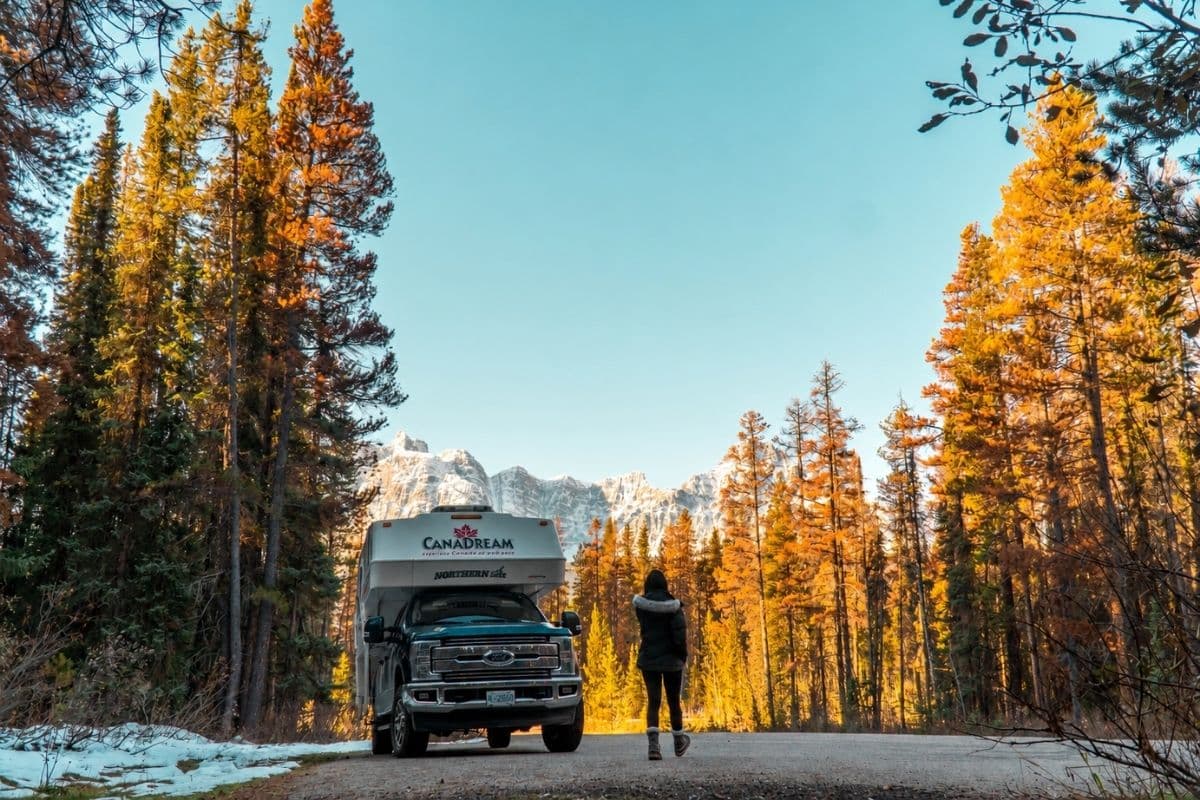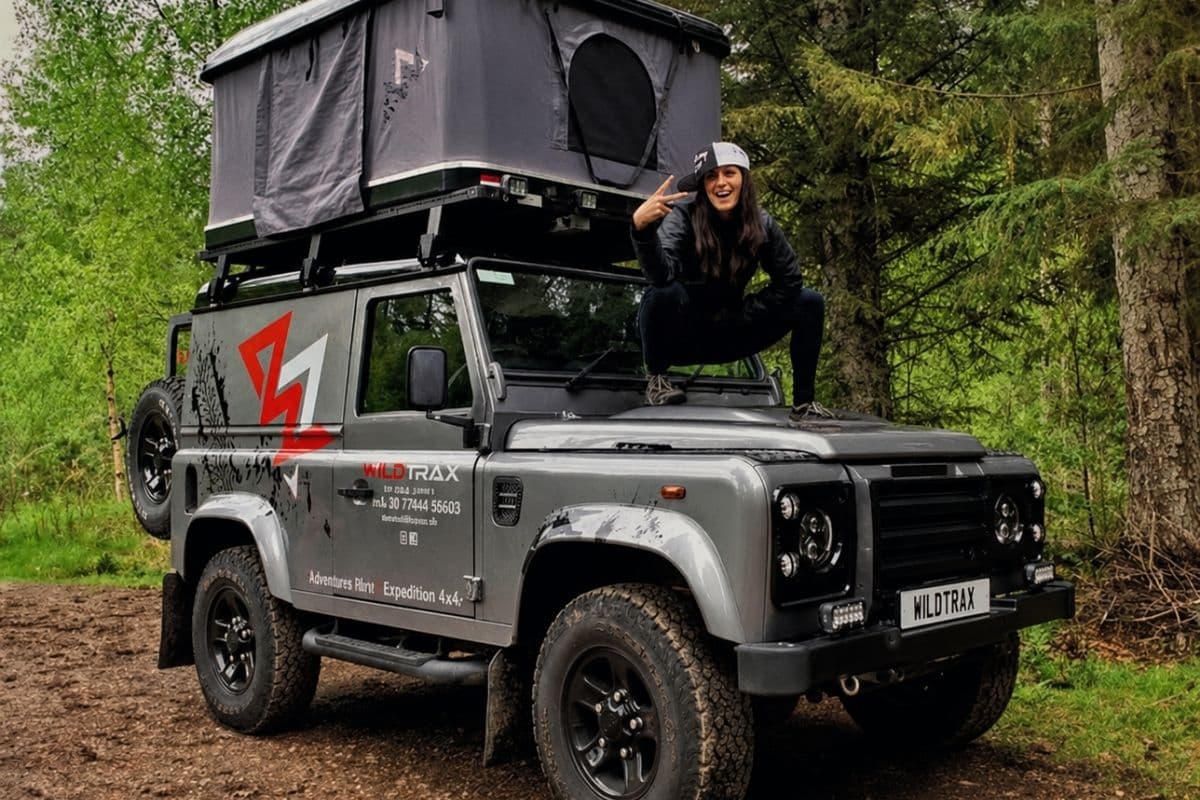
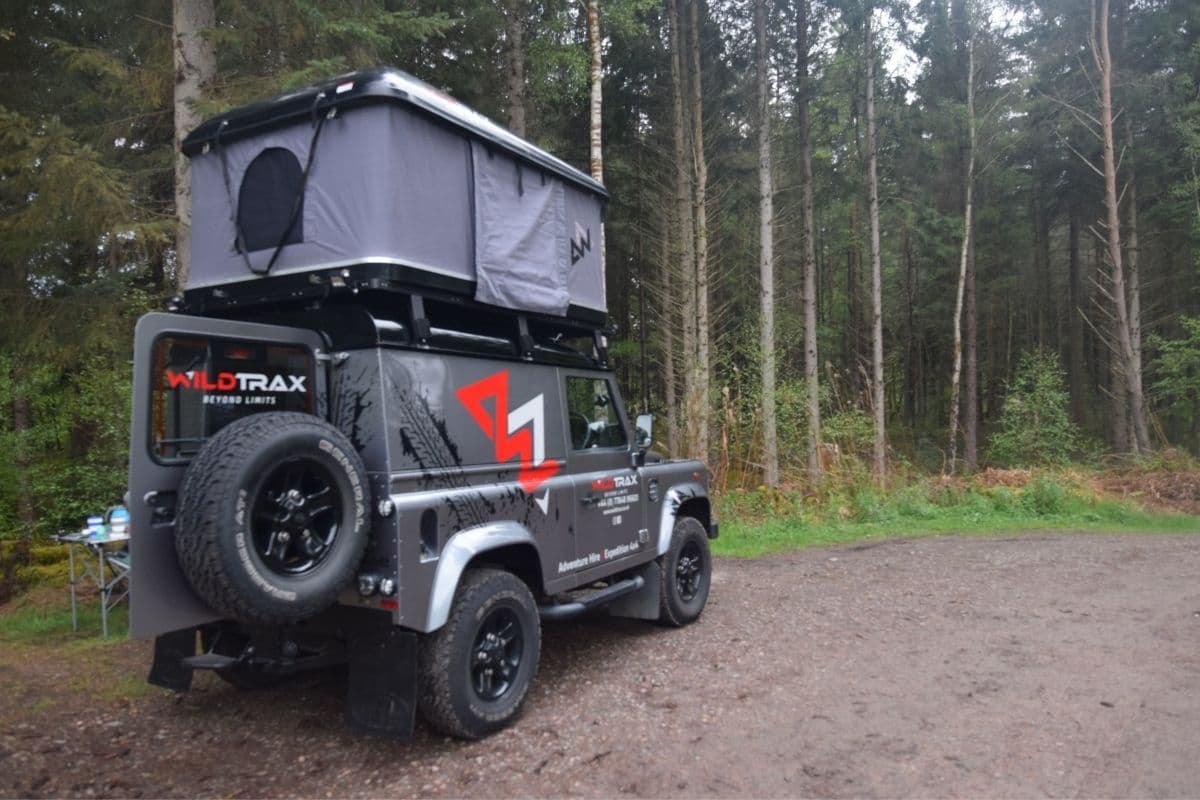
I went into Scotland knowing almost nothing about driving there. Ten days, roughly 800 kilometres, a Land Rover Defender with a rooftop tent, and one of the most dramatic road trip routes in the world. Here's everything I learned — most of it the hard way.
The North Coast 500 is genuinely one of the most spectacular drives I've ever done. Coastal cliffs, single track roads through empty moorland, Highland cattle on the verge, weather that changes four times in an hour. If you're planning to drive it, these are the things nobody told me that I wish they had.
I booked my Scotland rental through DiscoverCars — the best rates I found, and the process was completely straightforward.
11 Things to Know Before Driving in Scotland
1. They Drive on the Left
Coming from Barbados, this wasn't an adjustment for me — we also drive on the left. But if you're arriving from the US, Canada, mainland Europe or anywhere else that drives on the right, this is a genuine mental shift, especially at roundabouts and on unfamiliar roads. Scotland puts up occasional reminder signs at key points, but don't rely on them. Take the first hour slowly and consciously until it becomes instinct.
2. The Roads Are Exceptionally Well Signed
I was genuinely impressed by the signage. Every town, attraction and viewpoint along the NC500 is clearly marked, often multiple times as you approach. I rarely needed to pull over and check the map — the route more or less guided itself, including the more obscure landmarks and minor roads. For a route this remote, that's not something to take for granted.
3. Check Your Fuel Type Before You Leave the Forecourt
In Scotland, diesel pumps are black and unleaded are green. Sounds simple, but jet-lagged, on unfamiliar roads, and working out which side the fuel cap is on, it's surprisingly easy to grab the wrong one. Confirm your fuel type with the rental company before you collect the car, and write it somewhere visible inside. Misfuelling is expensive, and a breakdown in the remote parts of the NC500 is not a quick fix.
4. The Weather Will Do Whatever It Wants
In May I experienced hail, snow flurries, torrential rain and brilliant sunshine within a single two-hour stretch of driving. Scottish weather doesn't follow a forecast with any real loyalty. Layer up regardless of what the morning looks like, keep a waterproof accessible at all times, and accept that some of the most dramatic scenery you'll ever photograph happens in the rain. The light after a squall on the north coast is extraordinary — embrace it rather than fighting it.
That said, if the weather genuinely deteriorates to the point of feeling unsafe, stop. There's always a pub. This is Scotland.
Weather Tip
Pack for four seasons in a single day regardless of the forecast, and always keep waterproofs within immediate reach rather than buried in luggage.
5. Zero Tolerance for Drink Driving — and They Mean It
Scotland has a lower drink drive limit than England and Wales — 50mg per 100ml of blood, versus 80mg in England. In practice, even one drink could put you over depending on your size and metabolism. The safest approach: if you're driving, don't drink. The roads on the NC500 are genuinely technical in places — single track, no barriers, steep drops — and demand full concentration. The pub will still be there tomorrow.
The NC500 covers some of the most remote road in the UK. Between Applecross and the far north coast, a breakdown or accident is a serious logistical problem. Drive accordingly.
6. Scottish Drivers Are Genuinely Friendly
Not once in ten days did I encounter an impatient driver. When I missed a turn and pulled over to regroup, cars simply waited or went around without drama. Every time I gave way on a single track road, the other driver waved. There's a patience and courtesy on Scottish roads I haven't experienced everywhere. Don't let nerves about the driving be compounded by fear of the locals — they're rooting for you.
7. Many Roads Are Single Track — Learn the Passing Place System
This is the one that surprises most people, and the most important thing to understand before driving the NC500. Between John o' Groats and Applecross especially, large sections are single lane with designated passing places — lay-bys marked with a white diamond sign, where one vehicle pulls aside to let oncoming traffic through.
The system: whoever reaches the passing place first pulls in and waits. The other vehicle passes. You wave. You continue. It becomes instinct within a day, but the first few encounters can feel alarming if nobody's warned you. Don't panic, don't reverse at speed, and always wave.
Passing Place Tip
If you're unsure whether to pull in or continue, pull in. Being overly cautious at a passing place costs a few seconds; misjudging it on a blind single track bend does not.
8. Slow Down on the Winding Roads
The bends on the NC500 are tight, blind, and sometimes come immediately after a crest. Passing places aren't always conveniently located near corners. The correct approach to any blind bend on a single track road: come off the accelerator, sound your horn once to warn oncoming traffic, and proceed slowly enough to stop if something's coming the other way. Motorcyclists in particular come through at pace — stay left, stay slow.
9. Book an Automatic If You Can
Most European hire cars are manual by default, and automatics carry a premium. On the NC500, that premium is worth every penny. The constant gear changes — accelerating out of a passing place, slowing for a bend, pulling over, pulling back out — are relentless. By day three I was genuinely exhausted from the concentration required. An automatic removes one significant source of fatigue on a drive that already demands a lot of attention. Book it in advance; they go quickly.
10. Never Stop in the Middle of the Road for Photos
The scenery along the NC500 is so relentlessly spectacular that the urge to stop immediately is constant. Resist it. Designated viewpoints, car parks and pull-offs are everywhere along the route — drive another 200 metres and use them. Stopping on a single track road, even briefly, blocks the entire route in both directions. There's always somewhere to pull off safely nearby, and the shot will still be there.
11. Watch for Wildlife on the Road
Highland cattle and sheep roam freely along significant stretches of the NC500 and treat the road as their own territory. I came around more than one bend to find a small herd completely uninterested in moving. Slow down well before you reach them, don't sound the horn (it frightens them into the road rather than off it), and wait patiently — they move in their own time. Red deer are also a genuine hazard at dawn and dusk, particularly on the more remote northern sections. Keep your speed down after dark.
Free Download
Free Road Trip Planning Checklist
Everything to sort before, during and on the road.
What I Would Do Differently
Ten days felt like the right amount of time, but I'd build in more slack next time. The NC500 is easy to underestimate — the distances look manageable on paper, but single track roads mean average speeds are low, and when the scenery is this good, you stop constantly. Give yourself more time than you think you need.
The Defender with a rooftop tent meant accommodation was never a concern — Scotland's right to roam laws are genuinely excellent, and wild camping is legal, respected, and in places breathtakingly beautiful. We pulled off wherever felt right and moved on in the morning. It's an extraordinary way to do this route.
What I underestimated was how many of the rougher side tracks off the main NC500 route deserved more time than we gave them. If you're doing this in a capable vehicle with a rooftop tent, build in at least two or three days of pure slack with no planned destination. Some of the best spots on this trip were entirely unplanned.
The main thing is to enjoy it. Take your time, drive slowly, pull over for the views, talk to the locals, and let the scenery do what it does. The NC500 is one of the best road trips in the world. It deserves your full attention.
Renting a Car for Scotland — What to Look For
I used DiscoverCars to find my rental — the most straightforward car hire experience I've had. The comparison tool lets you filter by transmission, vehicle type and pickup location in one place, with transparent pricing and no hidden extras at the counter.
For the NC500 specifically, I'd recommend:
- Automatic transmission — worth the extra cost on single track roads
- 4WD or high clearance if you plan to take any rougher side tracks
- Full insurance with no excess — the roads are tight and minor scrapes happen
- Confirm fuel type before you leave the forecourt
- Rooftop tent or campervan for the full experience — wild camping is legal in Scotland and the NC500 is made for it
Free Download
Free Road Trip Planning Checklist
Everything to sort before, during and on the road.
Planning a Scotland Road Trip?
Read the full North Coast 500 and Skye guide for the complete itinerary, wild camping spots, whisky distilleries and everything else you need before you go.
Related Posts
Frequently Asked Questions
No — a standard car handles the main NC500 route fine. A 4x4 or high-clearance vehicle only matters if you plan to take rougher side tracks off the main route. A Land Rover Defender is an excellent choice if you want that extra capability, but it isn't required.
Build your trip plan as you read
Use the free Wandering Bajans trip planner to build your itinerary, packing list and budget as you go.
Open the Trip Planner →